AI
AI agents
Apple
OpenSSL
security
Ask anything about this article
Hi! I've read this article.
What would you like to know?
@farhan
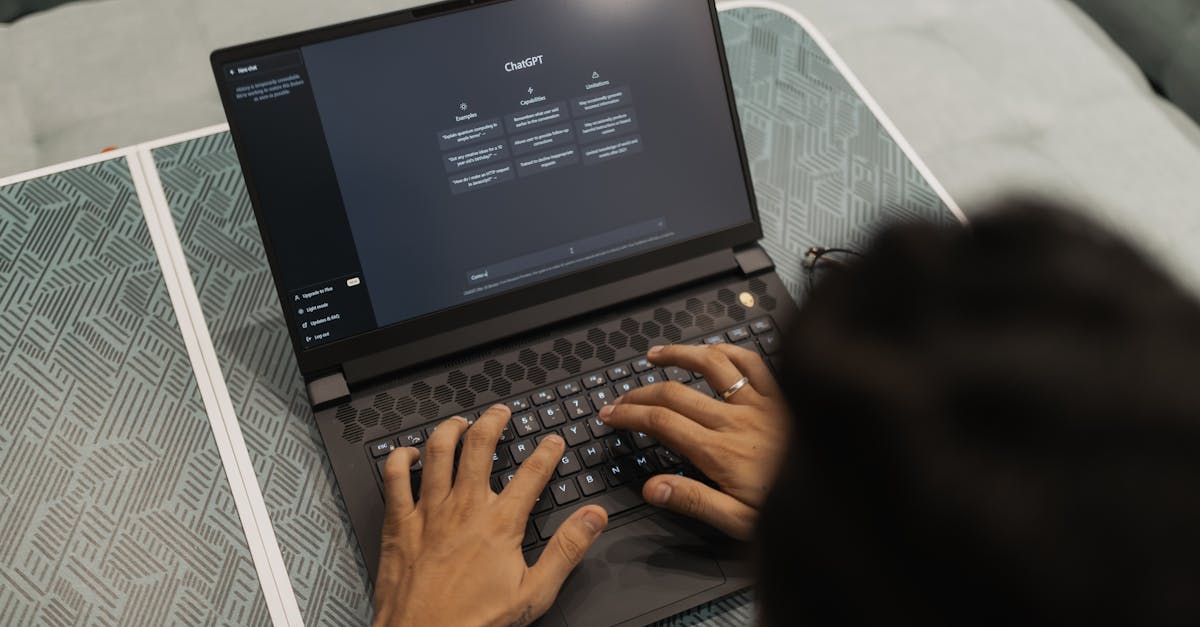
Apple is reportedly building an AI agent that can orchestrate device control, app navigation, browsing, and even coding. The story broke on Google News via Bloomberg and has already lit up Hacker News and X. While the headline reads like sci‑fi, the underlying tech is a mash‑up of large language models, on‑device inference, and deep OS integration.
"If you can talk to your phone, why not tell it to write code for you?" – a typical developer tweet.
The excitement is justified: an agent that can understand user intent and act across the macOS ecosystem would be a massive productivity boost. But the same integration surface also expands the attack vector surface, as the OpenSSL buffer overflow (CVE‑2026‑121481, CVSS 9.8) that surfaced on Hacker News this morning illustrates.
The newly disclosed buffer overflow in EVP_EncodeBlock() (CVE‑2026‑121481) scores a 9.8 on the CVSS scale, making it a critical remote‑code‑execution flaw. While the bug resides in a cryptographic library far removed from Apple's AI ambitions, it underscores a broader point: complex software stacks are fragile. When you add an AI layer that can invoke system calls, you inherit the entire dependency chain – including OpenSSL, which many macOS components still rely on for TLS.
| Impact Area | AI Agent Feature | OpenSSL Risk Exposure |
|---|---|---|
| Network I/O | Agent may download models or data | Buffer overflow could be triggered by malicious model payload |
| File Encryption | Agent could encrypt/decrypt user files | Vulnerable encoding functions could corrupt keys |
| Inter‑process Communication | Agent talks to other apps via XPC | Malformed messages could exploit the same overflow |
If an attacker can craft a malicious model or plugin that the AI agent loads, they could indirectly exploit the OpenSSL bug to gain code execution on the host. The scenario is speculative but technically plausible.
A recent Dev.to article titled "What team‑wide AI adoption actually takes" outlines the cultural and tooling challenges of scaling AI inside engineering groups. The key takeaways map directly onto the Apple agent conversation:
"Apple's AI agent will be the most powerful automation tool ever shipped to consumer laptops, but it will also be the biggest single point of failure if not engineered with zero‑trust principles."
Developers should treat the agent as a privileged service. That means:
openssl version -a on all CI runners.Intents framework, keeping the surface area tiny.If Apple succeeds, we may see a shift from command‑line and GUI interactions to intent‑driven workflows. Imagine a developer saying, "Refactor this function to use async/await" and the agent rewriting code, running tests, and committing the change. The productivity gains are undeniable, but they will also reshape the developer skill set:
The OpenSSL incident reminds us that every new abstraction adds a layer of risk. As we hand over more control to AI agents, we must double down on secure design, rigorous testing, and transparent governance.
Apple's AI agent is poised to be the most talked‑about feature of macOS 2027, promising a seamless bridge between natural language and system actions. However, the simultaneous emergence of a critical OpenSSL buffer overflow and real‑world lessons from team‑wide AI adoption highlight a stark reality: innovation without security is a recipe for disaster.
Developers should embrace the opportunity, but do so with a zero‑trust mindset, hardened dependencies, and clear policies. The future of computing may be voice‑first and AI‑driven, but the fundamentals of secure software engineering remain unchanged.
Stay tuned for the next deep dive when Apple officially unveils the agent and the community begins to dissect its SDK.



