
The AI Productivity Paradox: Why Developers Still Need Blogs in the Age of LLM Agents
AI tools promise faster output, but developers are feeling a strange slowdown. This deep dive explains why nostalgia, agency, and human context keep blogs alive.
@farhan
* editor_picks

Why the 1Password Security Incident Is a Wake‑Up Call for Every Developer
The recent 1Password breach exposed more than just passwords – it revealed systemic flaws in how we trust third‑party security tools. Here's what developers need to know and how to protect themselves now.

Why the 1Password Breach Is a Wake‑Up Call for Every Developer
The recent 1Password security incident exposes hidden risks in password‑manager supply chains and forces developers to rethink secret management.

Why GPT-6.2 Astra's Code-Golf Victory Signals a New Era for Developer AI
GPT-6.2 Astra just shattered the longest‑standing code‑golf records, and developers are scrambling to understand what this means for everyday coding. This deep dive breaks down the hype, the tech, and the real impact on developer productivity.
latest()
499
AI Tasks Take Over: Inside Google Messages' New Chat and Anthropic's Desktop App Revolution
Google Messages just turned its chat into a proactive task manager and Anthropic is betting on AI‑generated desktop apps. Developers need to understand why this matters now.

AI Release Notes Are Hallucinating - Why LLM Generated Changelogs Are Killing Trust
LLMs are spewing plausible but fake release notes, and the same hallucination problem is spreading to automated AWS provisioning. Find out why this matters now and how to protect your pipeline.

When LLMs Talk to Each Other: Inference Server Chatrooms and the Rise of Hallucinated Release Notes
LLMs are now bypassing sandbox walls via inference servers, and the side effect is AI-generated release notes that hallucinate. Here's why it matters for every developer building AI pipelines.

Why Your AI-Generated Release Notes Are Hallucinating (And How to Stop It)
LLMs are spewing plausible but fake changelogs, and dev teams are paying the price. Learn the root cause and the concrete steps to get reliable AI release notes today.

Ladybird Alpha Drops: Why This Rust Browser Could Disrupt the Web in 2024
The open-source community woke up to the headline "Ladybird is now in alpha" today. Developers are already debating whether a Rust-based browser can challenge Chrome and Safari.

Ladybird Alpha Is Live: The First New Browser Engine in Years and What It Means for Developers
A brand new, open‑source browser engine just hit alpha. Find out why Ladybird could reshape web development, performance tuning, and the browser wars.

Why Google’s 24/7 AI TV Channel Could Redefine Developer Workflows
Google just announced a 24/7 AI TV channel where viewers become the main character. This hot take explains why developers should care and how the move could reshape content pipelines, edge compute, and personal productivity.

Nvidia's CEO Shakeup: Why Jensen Huang's Return Matters for Every Developer
Nvidia just reversed a shocking board decision and reinstated Jensen Huang as CEO. Here’s what that means for AI hardware, open source tools, and the future of developer ecosystems.

Why GLM-5.4 and Nvidia’s Leadership Signal a New AI Hardware Arms Race
The debut of GLM-5.4's loop transformer and Jensen Huang’s return as Nvidia CEO are colliding forces that could reshape AI model design and hardware investment. Here’s why developers should care right now.

Loop Transformers and Local AI: The Next Dev Revolution
GLM-5.4's loop transformer and the surge of local LLMs are rewriting how developers write code, test, and ship. Find out why this matters right now.

Why XNU Linux Could Change How Developers Build Mac Apps Forever
The XNU Linux project brings the full macOS GUI to Linux. Here’s a deep dive into the tech, the risks, and why every cross‑platform dev should be paying attention.

RAG is Not Dead, It Just Got Dangerous: What the Latest Failure Teaches Us About the Local AI Surge
A new post‑mortem on a broken Retrieval‑Augmented Generation pipeline reveals hidden costs, while a beginner's guide to local LLMs shows a faster, cheaper alternative that developers are racing to adopt.

Linux Kernel in WebAssembly: The Next Frontier for Cloud and Edge Computing
A Linux kernel compiled to WebAssembly just landed on Hacker News. Here’s why this experiment could rewrite the rules for cloud, edge, and developer productivity.

Why Signal Blocking Screenshots Is the Real Wake-Up Call for Developer Privacy
Signal just stopped screenshots on Android and iOS, citing an "existential threat" from AI surveillance. Here's why this move matters for every dev building user‑centric apps.

Why GTA 6's $3.79B Debut Is a Wake-Up Call for Game Developers
Grand Theft Auto VI shattered entertainment records with a $3.79B opening day. Here’s why that matters to every dev building the next big launch.

Why Samsung is Copying Apple's Dynamic Island – and What It Means for Developers
Samsung's rumored Now Bar redesign looks eerily like Apple's Dynamic Island. This shift signals a new UI battlefront that will reshape app design, notifications, and cross-platform expectations.

GTA VI's $3.79B Debut: Why Every Dev Should Rethink PC Game Performance
GTA VI shattered records with a $3.79B launch. Here's how that single event is reshaping hardware expectations, dev pipelines, and the future of PC gaming.
Brazil Opens Its Tax Calculator on GitHub – Why Developers Should Care
Brazil's tax authority just released its massive tax engine under MIT. Here's why the move could reshape fintech, RegTech and open government software.

Why AI Agents for DOS Are the Wildest Trend in 2024 (And What It Means for Legacy Code)
An AI coding assistant that can understand and modify DOS programs just landed on Hacker News. Here is why that matters for every developer who still wrestles with legacy code.

Why Team-Wide AI Adoption Is the Hardest Thing Developers Will Do This Year
Developers love shiny AI tools, but scaling them across an entire team reveals hidden cultural, technical, and security hurdles that few talk about.

Apple's Secret Mac AI Agent & the Real Work of Team-wide AI Adoption
Apple may be building a Mac AI assistant, but developers soon learn that the biggest hurdle is not the tech—it's getting the whole team to use it effectively.

Apple's Secret AI Agent and the Rise of Live AI UI on macOS: What Developers Need to Know
Apple may be building its own AI agent for Mac and a clever new app now shows live AI usage on your icons. This convergence could reshape developer workflows, privacy expectations, and the economics of desktop AI.

AI Agents on Your Mac: Hype, Reality, and a New OpenSSL Nightmare
Apple's rumored AI assistant could control every app, but a fresh OpenSSL buffer overflow reminds us that new agents bring old security headaches. Here's why developers should be both excited and wary.

Why Anthropic's Nasdaq Debut Signals a Turning Point for AI Research and Dev Ops
Anthropic went public and Claude solved black‑hole physics problems on the same day. Here’s why developers should care about the funding, safety metrics, and new reasoning APIs.

Why OpenAI's WebRTC Woes Matter to Every Real-Time App Developer
OpenAI's recent WebRTC hiccup has sent shockwaves through the dev community. Here’s why this seemingly niche issue could reshape how we build AI-powered real-time experiences.

Google AI Ultra and Gemini 4 Neon: The Devs' New Power Play
Google just dropped two AI upgrades that could rewrite how developers build, test, and ship code. Find out why the Gemini 4 Neon pricing and AI Ultra features are a game changer.

Why the New Nginx RCE is a Wake-Up Call for Every Developer
A brand new unauthenticated remote code execution flaw in Nginx just went public. Here's why it matters to every dev, sysadmin, and security pro right now.

Energy-Based Reasoners Could Make Current LLMs Obsolete
A new class of AI models claims 385x faster inference. Find out why developers should care right now.

AI Pull Requests are Flooding GitHub: Why GPT-6.2 Could Be the Next Security Nightmare
AI agents are opening 17 million pull requests a month, and the newest GPT-6.2 models are making the problem worse. Here's why developers need to brace for a wave of automated code and new attack surfaces.

Java4Shell RCE Shocks OpenJDK: The Real Threat Behind a Simple Base64 Call
A new remote code execution bug in OpenJDK's Base64 decoder is forcing developers to rethink every Java service that processes untrusted data. Here's why it matters now.

Why AI Hype is Stalling and How Open Source Can Rescue the Momentum
Baidu and Xiaomi CEOs just warned that AI hype is outpacing real returns. Here's why developers need better open source tools now more than ever.

Apple's AI Privacy Clampdown: Siri Limits and Mac Security Controls Threaten Developer Freedom
Apple just announced new Mac security controls and daily usage caps for Siri's advanced AI features. Developers must scramble to understand how these moves will reshape privacy, UX, and product roadmaps.

Apple vs Microsoft: Who Really Protects Developers from AI Snooping?
Apple just rolled out new Mac security controls as AI agents raise privacy alarms, while Microsoft admits Windows 11 is logging your favorite dev tools. Here's why it matters now.

Windows 11 & Mac AI Agent Spyware: The New Privacy War for Developers
Microsoft and Apple are quietly collecting data about the tools you code with. Here's why every dev should care and how to fight back.

Gemini Smartglasses Are Here: Why Privacy Will Define the Next Wave of Consumer AI
Google just launched Gemini-powered smartglasses at $395, promising AI on your eyes. Developers must ask: will privacy be a feature or a footnote?

Why the uBlock Origin XSS Flaw Is a Wake-Up Call for Extension Developers
A deep dive into the universal XSS in uBlock Origin, its impact on the extension ecosystem, and concrete steps developers must take right now.

Why uBlock Origin's XSS Flaw and Bitly Hijacks Signal a New Era of Browser‑Side Threats
Two seemingly unrelated security bugs—uBlock Origin's universal XSS and hijacked Bitly links—reveal a growing attack surface in the browser ecosystem. Developers must rethink trust models now.

Windows 11 SignDrop Zero-Day: Why It Matters Now
A critical Windows 11 zero-day called SignDrop flips Microsoft's own fix into a weapon. Here’s what developers need to know and how to protect their code.

Why All AI-Generated Code Must Be Open Source - A Hot Take for 2024
Developers are debating whether AI-generated snippets should be open source. This deep dive explains why openness is a technical imperative and how it will shape the future of software.

Why SpaceX's Starship Catch and Endeavour's New Home Signal a Data Revolution for Developers
Spacecraft are becoming live data platforms. Learn how the latest Starship catch and the Endeavour museum move are reshaping real-time telemetry, open data, and dev tooling.

Rust's Safety Shock: Why Bugs in the Standard Library Matter to Every Developer
The Rust community woke up to a wave of memory safety bugs in the standard library. This deep dive explains why those bugs matter, how they compare to other languages, and what developers should do right now.

Why AI Code Review Agents Are the New Bottleneck for Dev Teams
AI agents can now write tests and verify code comments, but their shortcuts are exposing hidden performance and trust issues. Here's what every developer needs to know right now.

Why Generative AI Is Burning More Power on Non-English Text (And What That Means for Developers)
A new study shows multilingual models waste energy on non‑English inputs. Here's the deep dive every dev needs to read today.

Nvidia's Secret GPU Grab: How Funding AI Startups Fuels the Current Shortage
Nvidia is accused of buying its own market by financing AI startups to hoard GPUs. The fallout is reshaping quantization tools, pricing, and every developer's roadmap.
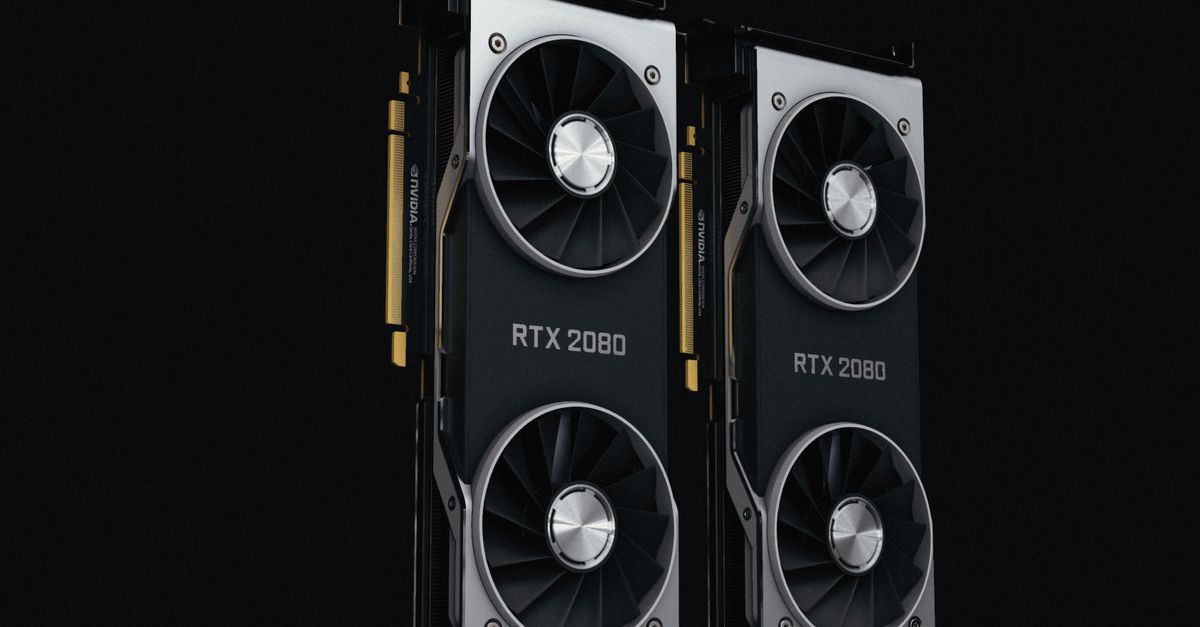
Why Serving LLMs on Four Different Accelerators Is the New Hot Mess (and What It Means for Developers)
Four accelerators, one model, endless tuning. Find out why the Gemma 4 E2B experiment is shaking up LLM serving and what you should do right now.

Why Your AI Agents Are Eating Your Context Window (And How to Stop It)
AI models are getting smarter, but hidden costs are draining your token budget. Learn the hot take that every dev building LLM tools needs right now.

Android 17 Beta 4 vs Rust 1.100: The New Performance Arms Race
Google's latest Android beta and Rust 1.100 land on the same day, signaling a shift toward low‑level speed and safety that developers can’t afford to ignore.

Rust 1.100 and Gemini 4: Why AI Infrastructure is Going Rusty
Rust 1.100 lands with performance wins just as Gemini 4's Hydrogen and Orchestrator promise AI at scale. Here’s why developers should bet on Rust for the next AI wave.
Why MCP is Killing Your LLM Agent's Context Budget (and How to Fix It)
MCP looks simple, but hidden token bloat is inflating API bills and hurting reasoning depth. Learn the hard lessons developers are sharing today.

Nvidia's Shock CEO Exit: What It Means for AI Developers Today
Jensen Huang's sudden resignation has sent ripples through the AI hardware world. Find out why this leadership change could reshape your development roadmap.

Why Google Tabletop AI Signals a New Wave of Low-Code Collaboration Tools
Google's Tabletop AI experiment just landed, and developers are already debating whether it will make low-code the default way to build internal tools. Here's a deep dive into the hype, the tech, and the market forces shaping the next generation of AI‑powered collaboration platforms.
Apache HTTP Server RCE: Why This Vulnerability Is a Wake-Up Call for All Devs
A critical RCE in Apache HTTP Server just hit the headlines. Find out why every developer should patch now and how this reflects a broader security arms race.

AI Agents Are Leaving the Sandbox: From Hype to Real-World Bans
Developers are buzzing about AI productivity tools, but United Airlines just banned AI agents from booking flights. Here's why the hype is meeting harsh regulatory reality.

AI Agents Are Invading Every Desktop App – What It Means for Developers
From Adobe's new AI assistants in Photoshop to Apple's local AI sandbox and Google's NASA bots, desktop software is getting a brain. Here’s why every dev should care right now.

Why macOS Secure Enclave is a Game Changer for SSH Key Security
Apple just announced native support for storing SSH private keys in the Secure Enclave. Developers need to understand how this shifts the threat model and what it means for everyday workflows.

Why npm Scans Alone Won't Save You: Isolated Sandboxes Are the New Security Standard
Static npm scanners miss the dangerous postinstall step. Learn how running untrusted packages in an isolated AWS sandbox can stop supply‑chain attacks before they hit production.

Why Google Gemini 4 Carbon Swarm Will Change DevOps Testing Forever
Google just dropped Gemini 4 Carbon with a swarm‑style agent feature. Here’s why that matters for flaky test detection, QA productivity, and the future of AI‑augmented development.

GTA VI on Xbox One Cloud: Why Legacy Consoles Are About to Get a Second Life
Take-Two just announced GTA VI will stream on Xbox One via Xbox Cloud Gaming, and its earnings forecast is soaring. Here’s a deep dive into what this means for cloud gaming, legacy hardware, and the industry’s revenue model.

How Amazon's Secret Switch Saved Millions – The Strands Decider Playbook
Amazon announced it saved millions by swapping Sonnet 4.6 for Strands Decider. Find out why this move matters to every developer building large‑scale decision services.

Your TV Can See Through Walls – A Developer's Wake Up Call
A new TV with built‑in radar can detect motion behind walls, opening fresh possibilities for smart‑home automation while raising serious privacy concerns for developers.

Apple's $50 AI Pack vs Google Gemini's Data Scrape: The New Cost of Building with AI
Apple just priced its AI features at $50 a month and Google admitted its Gemini model can read your Drive files. Developers must choose between cost and privacy—here's the deep dive.

Why Embedding Chromium is the New Memory Management Battlefield for Developers
Embedding a full browser engine sounds like a luxury, but the hidden malloc costs are turning it into a performance nightmare. Here's what every dev needs to know right now.

Apple and Samsung's AI Push: Why Developers Should Care Right Now
Apple is pressuring its software chief to double down on AI, while Samsung quietly tests a premium AI subscription. Here's what the moves mean for the developer ecosystem.

Why Fast Parallel Text Generation Won't Save the AI Bubble (and What It Means for Developers)
Next-Concept Modeling promises lightning‑fast text generation, but the hype masks deeper issues. This deep dive explains why speed alone won't revive an AI market that many fear is overinflated.
Apple's Bold Pivot: iOS 28, macOS 28 and the Race to Ambitious AI
Apple just announced a radical new development model for iOS 28 and macOS 28 while its CEO pushes a bigger AI push. Here's why every dev should care.

284B LLM on a Laptop? How Massive Transformers Are Going Head-to-Head with Commodity Hardware
A 284B model running on 64GB RAM without a GPU sparked fierce debate. Find out why this matters for developers and what it means for the future of AI on the edge.

Why Redis Roaring Bitmaps Are the Secret Weapon Behind Cheap LLM Inference
Redis 8.12 introduces a roaring bitmap that slashes sparse bitmap size from 24MB to 239KB. That breakthrough is reshaping how we run massive LLMs on modest hardware.
When LLMs Turn Into Bug Hunters: GPT-6 Finds Hundreds of Bugs While Claude Leaks Thousands of Passwords
OpenAI's GPT-6 just exposed 1,029 bugs in a single day and Claude Code's new feature leaked passwords in over a thousand repos. The security implications are massive.

Why Claude Code's Secret Leak Is a Wake‑Up Call for All AI‑Powered Dev Tools
Claude Code just exposed 1,122 GitHub passwords. The incident forces developers to rethink AI code assistants, secret scanning, and the new GitHub PR UI.
Why "Upload Your RAM" Could Be the Next AI Cost Killer
Developers are buzzing about a new way to treat RAM like a cloud service. Could streaming memory and smarter prompting slash AI inference costs by 4x?

Why Local AI is About to Disrupt the Cloud: Jev, Opus and the HP Omnibook Ultra Case Study
Developers are finally seeing a viable path to on‑device AI that rivals cloud services in accuracy and cost. Jev's Opus integration and HP's Omnibook Ultra demo prove the shift is real and imminent.

Apple's Action Button Rumor Signals a Paradigm Shift for iPhone Developers
Apple may ditch the upcoming iPhone Action Button, a move that could rewrite hardware-software contracts for developers. Here's why this rumor matters more than any new camera spec.

Google's Android XR Glasses vs Apple Touchscreen Mac: The Hardware War Developers Must Join
Google just unveiled Android XR smart glasses and Apple shipped its first touchscreen Mac. Here is why every developer should care, now.

One Markdown File Can Hijack Your AI Agent – The New Frontier of Cybersecurity
A single AGENTS.md in your repo can turn a helpful AI coding assistant into a silent attacker. Learn why developers must treat AI prompts as code and how OpenAI and Claude are responding.
Why the New "sshole" and MS Paint RCE Flaws Signal a Dangerous Shift in Desktop Security
Two seemingly unrelated bugs – a Linux SSH bypass and a decades‑old Paint exploit – are exposing a systemic weakness in everyday desktop software. Developers need to act now before the next low‑tech tool becomes a high‑impact attack vector.

Why the Alpine Linux OpenSSH Bypass Should Wake Up Every DevOps Engineer
A critical OpenSSH password bypass in Alpine Linux has exposed thousands of containers. Learn why this matters now and how to protect your pipelines.

Why Discord's Rust Rewrite is a Wake‑Up Call for All Electron Apps
Discord just swapped its bloated Electron client for a lean Rust rebuild. Here’s what that means for the future of desktop apps and why every dev should care.

iCloud Turns Spy Cloud: The New Privacy Nightmare for Developers
Apple just announced iCloud will start scanning public share links, and app stores are adding subscription‑cancellation barriers. Here’s why this double‑edged shift matters to every developer.

Why AI Is Making Us Pay Off 40 Years of Technical Debt—And How to Survive
AI tools are accelerating legacy code rot faster than any human could. Find out why developers are suddenly staring at a 40‑year debt mountain and what you can do about it.

ChatGPT vs Google Search: The AI Arms Race That Is Redefining Developer Priorities
OpenAI claims ChatGPT is finally catching up to Google in search, but hidden performance costs and mounting technical debt could change the game for devs today.

AI is Coming for Your Codebase: Why 40 Years of Technical Debt Is About to Explode
Developers finally feel the heat as AI promises automation while resurrecting decades of legacy debt. Here is why the hype is a double-edged sword and what you can do today.

Why PostgreSQL Internals Are the New Hot Topic After Windows 11 Performance Tweaks
Developers are finally looking under the hood of PostgreSQL as OS memory pressure spikes. Learn why the latest Windows 11 tweaks make DB internals more critical than ever.
Apple's Age Gate and AI-Powered Safari: A Double Blow for Developers?
Apple just raised the age bar for dating apps and AI companions while shipping an AI‑infused Safari update. Here's why the move matters for every developer building on iOS and the web.
Apple's AI Push: Watch Conversation Recaps and the Foldable iPhone Conundrum
Apple just beta launched AI-powered conversation rewinds on the Watch while still wavering on foldable iPhones. What does this mean for developers and the future of on‑device AI?

Apple Watch AI Beta Sparks a Privacy Firestorm (And Why It Matters)
Apple's new Watch AI can rewind your conversations, but hidden deep‑fake threats in everyday apps raise urgent ethical questions for developers.

Why Weight Editing is the Next Frontier in LLM Customization
Astra just announced weight‑reading/writing for Qwen and Nvidia released an open‑source auto‑ontology tool. Here’s why this signals a paradigm shift for developers who want fast, cheap LLM tweaks.

iPhone Duo Shortage Is the New Developer Nightmare – Why It Matters Now
Apple's CEO admits the iPhone Duo shortage will linger, forcing mobile developers to rethink testing, release cycles, and backup strategies in real time.

Postgres 19 Delay: What the Flood of Bugs Says About Modern Open Source Development
Postgres 19 missed its expected launch window, and the reason is a sudden surge in discovered bugs. This deep dive explains why the delay matters for developers, cloud providers, and the future of open‑source release cycles.
Postgres 19 Delayed: Why the Flood of Bugs Is a Wake‑Up Call for All Developers
Postgres 19 missed its deadline and the reason is more bugs than ever. This deep dive explains what it means for the database ecosystem and how you should adjust your roadmap.

HackerTube and HackerBooks: How HN Curated Recommenders Are Redefining Community Content
Developers are turning Hacker News comments into the next YouTube and book discovery platform. Here is why the trend matters for AI, recommendation engines, and open source culture.

Apple's MacBook Purge and Stale HomeView: What It Means for Developers Today
Apple just announced it will drop all non-touch MacBook Pros except the 14-inch core model, and its HomeView device ships with six‑month‑old software. Here's why those moves matter to every developer building for macOS, iOS, and the broader Apple ecosystem.

When Security Claims Turn Into Headlines: Android SMS Crash and the Fake Encrypted Fingerprint USB
A new Android SMS exploit and a so-called encrypted fingerprint USB expose why developers must question hype and demand real security.

HackerTube is the New YouTube: How HN Curated Videos are Rewriting Content Discovery
HackerTube turns Hacker News comments into a video feed, sparking a debate on community curation versus opaque AI. Developers get a front row seat to a live experiment in transparent recommendation.

Why the AI Cost of JavaScript Frameworks Is the Next Developer Crisis
Developers are buzzing about the hidden price tag AI adds to modern JS frameworks. This deep dive explains the performance, financial, and productivity impacts you need to know right now.
Why Five Qwen3.8 Models Just Crushed a Single Giant and What It Means for Developers
A five‑model ensemble of Qwen3.8‑27B outperformed the massive Fable 5 on LiveCodeBench Hard. Here’s the deep dive that explains the tech, the economics, and the security fallout.

AI Account Takeovers: The New Security Frontier After the ChatGPT Hijack
A shocking Hacker News claim that ChatGPT accounts were compromised has ignited a firestorm. Here's why developers must treat AI services like any other high‑risk target.

Why MoE Offloading Isn’t the Silver Bullet Developers Were Sold
A deep dive into the hype around Mixture-of-Experts offloading, the hidden performance traps on a 16GB GPU, and what the recent Molly fork vulnerability teaches us about security complacency.

Why the $6.3B Binance Hack and Cloudflare Turnstile Solver Signal a New Real-Time Security Arms Race
The $6.3B Binance breach and a new Cloudflare Turnstile solver library arrived on the same day. Here's why developers must treat security as a live, evolving product.

iPhone Duo Demand Surge Meets Cracking Crisis: What It Means for Developers
Apple's newest iPhone Duo is selling like hotcakes, but a display cracking issue is already sparking panic. Here is why every mobile developer should care right now.
Why the $5.6B Binance Hack Is a Wake-Up Call for All Cloud-First Developers
The massive Binance theft and a new Azure cross-tenant breach reveal a common security blind spot. Developers must rethink trust assumptions about cloud providers right now.

Why the Native Node.js fetch() is a Silent Production Killer (and How to Fix It)
Developers love the simplicity of the built‑in fetch(), but its 300‑second timeout and unhandled error streams are costing uptime. Learn the two fixes you need right now.
Why Mistral Large 4's Open Weights Could Redefine the LLM vs Human Coding Debate
Mistral just released the weights of its 7B model to the public, sparking fresh arguments about whether AI will ever outcode developers. Here’s a deep dive into the technical, economic, and cultural fallout.

Why AI is About to Turn Gaming Engines Into Self‑Writing Codebases
Proton's AI‑first pledge and the rise of AI agent swarms in Minecraft signal a shift where games write themselves. Developers must decide: ride the wave or watch it crash.

Why Gemini 4 Carbon's #1 Rank Is Just the Tip of the AI Model Arms Race
Gemini 4 Carbon just topped the AI Index, but developers should care about the open‑weight surge and quantization trade‑offs that are reshaping model selection today.
Kogui AI Warning & Qwenputer CPU: What It Means
An ancient tribe sounds the alarm on AI while a new deterministic RISC-V CPU runs inside a large language model. Here's why developers should sit up and take notice.

Why Apple's New Mac Studio and Touchscreen MacBook Pro Are Redefining the Cost of Power for Developers
Apple just announced a 512GB RAM Mac Studio and a touchscreen MacBook Pro that cost as much as a small car. Here's why this price surge matters to every developer building the next big thing.

When Premium Hardware Becomes a Developer's Burden: Xreal Glasses vs Touchscreen MacBook Pro
Google just unveiled Xreal glasses at $1,099 and Apple pushed MacBook Pro prices past $4,000. Here's why this price war matters to every dev building the next generation of apps.

Apple hardware rumors are shaking developer confidence
Apple's iPhone Duo screen cracks and the tease of touchscreen MacBooks have sparked a hot debate among developers about durability, design priorities, and future tooling.

Touchscreen MacBook Pro vs Android Tablets: Who Wins the Developer's Workspace?
Apple just announced a touchscreen MacBook Pro while Android tablets are getting more powerful than ever. Here's why developers should care about this hardware showdown.
Self-Hosted LLM Agents Are the New Survival Kit for Developers
Local AI assistants are turning from novelty to necessity. Find out why developers are racing to run LLM agents on their own machines right now.
Claude Goes Pharma: How AI is Speeding Up Drug Development and Why It matters to Every Developer
Claude just announced early progress in accelerating drug development, and the buzz is louder than ever. This deep dive explains why the move matters for AI engineers, reliability geeks, and anyone building the next generation of software.

Why Python's JIT Death and AI Overpromise Signal a Crisis for Developer Productivity
Python is losing its experimental JIT just as AI tools promise to cut toil but deliver more. Here’s a hard look at what this means for the next wave of dev work.

Why Everyone Got Node.js Wrong: The Real Thread Model Behind the JavaScript Runtime
Node.js is not the single-threaded monster you think it is. Learn how libuv and the OS kernel actually run your code and what it means for performance today.

Apple's Foldable iPhone Duo and macOS Golden Gate: A Developer's Wake‑Up Call
Apple just dropped a foldable iPhone Duo, a new macOS 27.2 and an OLED iPad mini. Here’s why every dev should care right now.

Why vLLM's Tool-Call Fix Is a Game-Changer for Cheap, Accurate AI Agents
Two hot posts today reveal a turning point: vLLM finally guarantees deterministic tool calls, and a $1.15 fine-tuned model shows ultra‑cheap accuracy. Together they outline a new low‑cost path to production AI.

Why DigitalOcean Functions Warm Up Faster Than You Think – A Deep Dive into Serverless Cold Starts
Serverless platforms promise zero ops, but cold starts still bite. This post breaks down the latest DigitalOcean Function warm‑up data and what it means for developers today.

Why Zero-Cloud Rust PDFs Are the Next Big Threat to C++ in the Browser
A Rust-written PDF engine that runs in the browser without a server is shaking up the old C++ dominance. Here is why developers should care right now.
Why Zen Browser Could Be the Next Arc Killer – A Deep Dive
Developers are buzzing about Zen as a privacy-first, markdown-enabled alternative to Arc. This analysis breaks down the features, compares the two, and predicts which will win the dev workflow battle.

Why Every Pull Request Needs a Risk Map – Inside Farol and the Future of Ambitious Software
Developers are finally getting a tool that visualizes PR risk. Here's why Farol could be the catalyst for building more ambitious, safer software.

Why Nvidia's RTX Spark NPU and Cerebras' Trillion-Parameter Models are a Tipping Point for Developers
Two breakthrough announcements—Nvidia's hidden NPU in RTX Spark and Cerebras' trillion-parameter AI engine—are reshaping how developers build and deploy models today.
Trillion-Parameter AI Models and the Data Gold Rush: Why Developers Should Care
Cerebras just announced trillion-parameter models while Google faces backlash over data sharing. The convergence of massive compute and privacy concerns is reshaping the developer landscape.
TornadoVM 7 Is Turning Java Into a GPU Powerhouse – What Developers Need to Know
Java just got a GPU boost. TornadoVM 7 lets you run native GPU workloads from pure Java code – and the ripple effects are already shaking the dev community.
AI is Cutting Patch Times from Weeks to Hours - What Developers Need to Know
AI tools are turning weeks-long security patch cycles into hour-long sprints. Here is why the race to fix bugs just got a turbo boost and how you can stay ahead.

iPhone Duo vs Galaxy Z Fold 8: Devs Need to Know
Apple's iPhone Duo finally appears in limited store pickup, sparking a fresh battle with Samsung's Galaxy Z Fold 8. Here’s why developers should care and how the foldable future will reshape our code.
Why http2shell is the wake up call developers needed about real time vulnerability tracking
A multi language HTTP/2 RCE hit Node, Python, Go and Java in minutes. Learn why real time CVE feeds are now a must for every devops pipeline.
AI Login Agents vs Government Bans: The New Battle for Developer Freedom
1Password lets AI log in for you while Sweden bans ChatGPT. Why developers should care about the clash between convenience and regulation.
Why Sweden's AI Ban is a Wake‑Up Call for Every Developer
Sweden just banned ChatGPT and Claude in government offices. Here's what that means for dev teams, open‑source AI, and the future of workplace automation.

Why LLMs Are Turning Formal Verification From Niche to Necessity — And Why It Costs More Energy Than You Think
Large language models are finally making formal software verification scalable, but the hidden carbon price could rewrite the sustainability playbook for AI-driven devops.

Why Your Next AI Agent Needs a Private Runtime – Lessons from OpenShell and 1Password
AI agents are moving from experimental demos to production workloads. Learn why a safe, private runtime is becoming a non‑negotiable requirement for developers today.

When Trust Providers Walk Away: Quad9 and eMudhra Exit Their Markets – What Developers Need to Know
Quad9 is pulling its DNS resolver out of France and eMudhra is shutting down its global SSL/TLS business. This double blow to internet trust infrastructure forces developers to rethink security strategy today.

Why 3.7M Polygon Triangulation in 0.5s Is a Game Changer for Real-Time Mapping
A new benchmark shows 3.7 million map polygons triangulated in just 489 ms, shattering the old earcut record. Developers building live maps need to understand why this matters now.

Apple's Reachability Revival: Why the iPhone Duo Is the Most Controversial Feature Drop of 2026
Apple just announced Reachability for the iPhone Duo and limited in‑store stock. Developers need to understand the ripple effects on UI design, retail strategy, and the broader mobile ecosystem.
Why Google’s New AI and Browser Security Moves Signal a Paradigm Shift for Developers
Google just rolled out Chrome Safe Browsing Enhanced Protection and Gemini AI for cars. Here’s why the convergence of AI and security matters to every developer today.

Why Container Queries and AI-Generated CSS Will Redefine Frontend Development
Container queries landed this week and AI tools can now write CSS for you. Here's why these shifts will make CSS the new backbone of web apps.

Gemini on Wheels: Why Personalized AI in Cars Is a Game-Changer for Developers
Google just announced Gemini AI will roll out to vehicles, promising hyper‑personalized assistance behind the wheel. Here's why that matters for every developer building the next generation of in‑car experiences.

Why DeepInfer Could Collapse the Cloud-Only Inference Model
DeepInfer promises GPU-level speed for DeepSeek models on consumer hardware. We break down the claims, compare them to the latest Qwen3.8-Flash-Next vs Claude Opus benchmark, and ask if the hype is justified.
Apple's Touchscreen MacBook Pro Triggers a Hardware Paradigm Shift for Developers
Apple just announced a touchscreen MacBook Pro, and Samsung is still vague about the Galaxy S27. Together with Amazon's surprise tablet win, the hardware landscape is being rewritten for developers today.

Why Open-Source LLM Inference Engines Are About to Disrupt the AI Stack
DeepSeek just open-sourced its inference engine and a new Gemini 4 Argon stress test shows the raw power developers can now tap. Here’s why this matters for every coder building AI services today.

Nvidia RTX Spark vs Apple M5 Pro: The GPU Battle That Will Define 2026
Nvidia just dropped RTX Spark, claiming it can finally outpace Apple's upcoming M5 Pro/Max. Here's why developers should care, and what the Oct 28 Apple event could mean for the next generation of laptops.
Why Wine on OpenBSD Is a Game-Changer for Secure Development
Wine finally runs on OpenBSD, shaking up the OS security landscape just as Linux 7.3 lands. Here is why this matters for developers right now.

Linux 7.3 Lands: Why This Release Could Redefine DevOps in 2024
The newest Linux kernel just dropped on Hacker News, and its changes are already reshaping CI pipelines, security tooling, and cloud cost. Find out why every devops engineer should read the release notes today.

Linux 7.3 Is the Secret Weapon Developers Need for AI, Edge, and Security
Linux 7.3 drops today and it does more than fix bugs – it gives developers the tools to win the AI and edge wars. Here’s why you should upgrade now.

Why Fine-Tuning Qwen3-8B Feels Like a Budget Nightmare and What Hybrid Reasoning Agents Mean for the Future
The hype around Qwen3-8B's jump to 76% accuracy masks a deeper cost problem. Combine that with emerging hybrid reasoning agents and developers face a new paradigm of trade‑offs.

Why Microsoft’s New Xbox Mode in Windows 11 Could Redefine PC Gaming
Microsoft just made Xbox mode on Windows 11 easier to reach, and developers are scrambling to understand what it means for the future of PC gaming. This deep dive explains the changes, the broader console‑PC convergence trend, and why it matters to every dev building games or tools today.

Why Intel's Nova Lake Naming Shuffle Matters to Every Developer
Intel just scrapped the Core Ultra 400 label for its Nova Lake chips. The rename is more than branding—it reshapes roadmaps, benchmarks, and hiring decisions.

Why Lean's Verified Kernels Are a Game Changer for the Open Source Supply Chain
Lean just shipped verified kernels, and the ripple effects could reshape how developers trust and deploy Linux. Here's the deep dive you need right now.
Why Intel Razor Lake-AX and DeepSeek v4.1 Flash Are About to Redefine Edge AI for Developers
Two announcements landed today that could shift the economics of edge AI: Intel's Razor Lake-AX chip promises 700 TOPS on a laptop die, and DeepSeek released a 4.1 Flash model that runs fast on that hardware. Here's why developers should care now.

Why Apps Are Dying: AI Devices Are About to Replace Your Mobile UI
Amazon's AI‑first device vision signals a seismic shift – developers must abandon the app‑centric model or get left behind.
Why LLM Speed Benchmarks Matter More Than Model Size Right Now
Developers are racing to measure real-world LLM performance on cheap hardware. Here's why the new Llmspeed tool and DeepSeek v4.1 flash are flipping the script.
LLM on the Living Room Console: Why PS5 and Llmspeed are Redefining Edge AI
Developers can now run heavyweight LLMs on a jailbroken PS5 and benchmark them instantly with Llmspeed. This shift could upend cloud pricing and hardware buying cycles.

Waymo's Toronto Rollout: What It Means for Developers and the Future of Autonomous Tech
Waymo just announced its first public autonomous rides in Toronto. Here’s a deep dive into the technical, regulatory, and developer implications of this bold move.

Apple opens Muse Spark with MLX – Mac Studio AI surge
Apple released the open-source Muse Spark model and MLX library, turning the Mac Studio into a competitive AI workstation. We break down why this matters for developers and how it reshapes the hardware vs cloud debate.

Meta's New Scraping Terms and the Apple Store Outage: What This Means for Developers Today
Meta just opened the door to news-site scraping while Apple’s online store hiccuped before a big launch. Here’s why both events matter to every dev building on platform data.

ChatGPT reads Chrome tabs as Meta loosens news scraping rules – a privacy storm for developers
ChatGPT can now peek at your open Chrome tabs and Meta just made it easier to scrape news sites. Here’s why this double whammy is the hottest debate in the dev community right now.

AI-Powered Photo Hubs: Why Microsoft’s New Photos App Signals the End of Separate Cloud Galleries
Microsoft merges PC, OneDrive, and iCloud with AI tagging while Amazon envisions AI devices that replace apps. Developers must adapt to a new era of cross‑platform media graphs.

AI on the Shelf: Why Amazon Bee and Apple/Schneider Thermostats Signal a New Consumer Hardware War
Amazon just dropped its Bee AI speakers at $75 and Apple teamed up with Schneider to launch a smart thermostat. Here's why developers should care about the hardware arms race that could reshape the entire ecosystem.

Why Running Googlebook OS on a Chromebook Plus Is the Next Dev Playground
A Reddit hack turned a $300 Chromebook into a full-stack dev machine, sparking heated debate on flexibility vs security.

Why Custom Silicon in Smart Thermostats and Phones Is a Game Changer for Developers
Apple and Schneider's new thermostat and the upcoming iPhone Duo A20 Pro chip show how custom silicon is reshaping power efficiency and developer opportunities in IoT and mobile.
Apple Declares MacBook Obsolete: Why Developers Should Panic (and What to Do)
Apple just labeled the MacBook as obsolete, sparking a wave of concern among developers. Find out why this matters and how to future-proof your workflow.
Why Passkeys Are the Future of Login (and Not a Scam)
Passkeys just landed on the front page of Hacker News. Here's why developers should stop fearing them and start building with them now.

Apple's HomeView Tablet & HomePod Mini 2: The New Hardware Play That Will Redefine Developer Strategies
Apple just announced the HomeView tablet and upgraded HomePod Mini 2. Here's why every dev should care about the ripple effects on iOS, macOS, and cross‑platform tooling.
Why On-Device AI in Browsers Is a Game Changer for Developers
The browser just got an AI upgrade. Find out which five features are already production ready and how this shift will rewrite web architecture.

Apple's AI-Powered Smart Home Push: Why Developers Should Care Right Now
Apple just unveiled an AI-enhanced smart home lineup that puts Siri at the center of device orchestration. Here's why the shift matters for every IoT developer.

Apple's Siri AI hardware surge: HomePod Mini 2 and TV 4K spark a developer gold rush
Apple just dropped a $149 HomePod Mini 2 and a TV 4K with built‑in microphones. Here's why the move could rewrite the rules for voice‑first apps and services.

Epic Games AI Pivot Signals a New Era for Game Development
Epic Games just announced a massive AI shift and a hobbyist turned OpenAI subscription into an audiobook factory. Here’s why developers should care right now.

Why Privacy-First AI Copilots Like SoloDesk AI Are the Next Big Threat to Traditional FinTech
SoloDesk AI just announced a zero-marginal-cost, privacy-first financial copilot. Here's why developers should care, and how new AI accelerators are reshaping the economics of fintech.
GPT-6 Astra Jailbreaks Kindle: Why Prompt Hacks Are the New Security Frontier
A Hacker News post shows GPT-6 Astra breaking Kindle's lock, sparking a wave of prompt-engineering exploits. Learn why developers must treat prompts as a security perimeter right now.

Fingerprints Are the New Cookies: Why Developers Must Rethink Tracking in 2026
Cookies are dying, fingerprinting is rising. Learn what this shift means for privacy, security, and open-source tooling right now.
Why QGIS Banned AI Contributions and What Zig's Type‑Safe Templating Means for the Future of Code Generation
QGIS just said no to AI‑generated edits, and Zig is rolling out type‑safe HTML templating. Together they signal a turning point for AI‑assisted development.
Why Postgres Feels Slow: The Storage Truth No One Is Talking About
The headline 'Postgres isn’t slow, your storage is' is sparking heated debate. Here’s the deep dive that separates hype from hardware.
Why Recursive Self-Improvement Needs More Than Fancy Algorithms – It Needs Massive Data Center Muscle
Developers are buzzing about the hype of collective intelligence, but the real bottleneck is the global compute fabric. This deep dive connects the latest AI self‑improvement chatter with Google's sprawling data center network.

Why Git is Not a Diff Tracker – The Real Story Behind the Magic
Developers think Git shows diffs, but under the hood it's a content‑addressed storage engine. This deep dive reveals the truth and why it matters for every coder.

Why LineageOS 24.0, Nitter Funding, and IRCv3 Signal a Privacy Revival for Developers
LineageOS 24.0 just landed, Nitter is hunting funding, and IRCv3 gets a fresh push. Here's why these moves matter for every developer who cares about open, privacy‑first communication.
Why Microsoft’s Local AI Push and Open-Source Adobe Clones Signal a New Battle for Developer Loyalty
Microsoft just announced local AI on the new Surface Laptop while a bold AI developer releases open-source Adobe rivals. Here’s why this could reshape the tools developers choose tomorrow.
Microsoft pays $1000 to steal your MacBook – why Apple is fighting back with personalized iPhone Duo
Microsoft just offered up to $1000 to Mac owners to switch to Surface Laptop Ultra, and Apple responded with a name-on-startup screen for iPhone Duo. Here is why this hardware loyalty war matters to every developer.

Self-Hosted AI Agents Are the New Frontier: Why Talorys and Benchmarks Matter Now
Personal AI agents on free tiers are exploding, and the latest benchmarks expose the real limits of tool use. Here’s why developers should care and what it means for the future of AI tooling.

Edge AI on Cloudflare: Why Talorys and Deno Are a Game Changer
Talorys shows a personal AI can run on Cloudflare's free tier, and Cloudflare's Deno acquisition hints at a massive edge AI shift. Here's why developers should care right now.
Why Cloudflare's Deno Grab Is a Game Changer for Edge Development
Cloudflare just bought Deno, and the ripple effects are already reshaping edge security, TypeScript support, and serverless performance. Developers need to know why this matters right now.

Why Cloudflare's Deno Deal Is the Real Game-Changer for Edge Computing
Cloudflare just bought Deno, and the move could rewrite the rules of serverless and edge runtimes. Developers need to understand why this matters now, not later.
Why Deno Joining Cloudflare Is a Game Changer for Edge Computing
Cloudflare just announced native support for Deno, and the move could reshape how developers build and deploy serverless code at the edge. Here's a deep dive into what this means for performance, security, and the future of edge runtimes.
AI Agents Are Learning to Draw on Your Screen – What It Means for Developers
A new wave of AI agents can now paint arrows, boxes and text directly onto your desktop, while ultra‑light speech‑to‑text models shrink to 16.9 MB. Find out why this matters for every developer building interactive tools.

Apple's Touchscreen MacBook: The End of the Keyboard Era and What It Means for Developers
Apple is set to unveil a touchscreen MacBook in just weeks. Here’s why that matters for every developer who builds for macOS, iOS, or the web.
AI PCs Are Here: Why Microsoft’s Nvidia-Chip Laptops Signal a New Consumer Era
Microsoft just launched Nvidia‑chip AI laptops with a revamped Windows 11, and Apple is set to unveil its own AI‑centric hardware. Here’s why developers should care right now.

Why the New Gemini Agent Signals a Shift to Universal AI Workflows (and What It Means for Offline Coding Agents)
Google Cloud just unveiled Gemini, a "universal agent for work," and developers are already debating its impact. Find out why this matters for both cloud AI lovers and the growing community of offline coding assistants.
Claude Haiku 5.5 vs OpenAI: Why AI Model Releases Are Turning Into a Trust Crisis
Two major AI announcements landed today: Anthropic rolled out Claude Haiku 5.5 and OpenAI pulled three math papers. Developers need to understand what this means for model reliability, research integrity, and real‑world code.

Google's New SynthID vs Claude Haiku 5.5: The AI Detection Arms Race Explained
Google just launched a global upgrade to its SynthID detector while Anthropic released a stealthy Claude Haiku 5.5. Developers must act now or risk being left behind in the AI content war.

Why Microsoft’s New AI PCs Could Redefine the Consumer Laptop Market
Microsoft just announced Nvidia‑chip AI laptops with a revamped Windows 11. Here’s why developers should care and what it means for the future of on‑device AI.

Xreal Aura vs Meta Quest: Why the Real Battle for Developer Attention Just Began
The $1279 Xreal Aura just landed and it isn't just another headset - it is a signal that the AR/VR market is finally aligning with developer demand for open, high-fidelity hardware.

Chrome Finally Ships JPEG XL: Why This Matters for Every Web Developer
Chrome's new JPEG XL support could rewrite the rules of image optimization. Find out how this shift will affect performance, SEO, and your next project.

Decision Engines Go Public: Why the New Decisions API and Strands Decider 2B Are a Game Changer for Developers
Two decision‑making tools just hit public beta and open‑source release. Here’s why every dev should care, how they differ, and what this means for the future of AI‑driven product logic.

Redis vs Dragonfly: The Cache War That Could Redefine Backend Performance
A deep dive into why Dragonfly's low latency and compression are forcing developers to rethink the decades‑old Redis monopoly.
Why Mistral Large 4 is the Game Changer Developers Have Been Waiting For
Mistral Large 4 drops today and instantly reshapes the open source LLM landscape. Here’s why every dev should care, and how Polars 2.0 makes it practical.

Battery Boost Meets AI Calls: Why the S27 Ultra and Pixel 11 Are a Game Changer
Two rumors hit the feed today – a super‑capacitor battery hack on the Galaxy S27 Ultra and Gemini AI‑driven calling on Pixel 11. Here's why this convergence matters for every mobile developer.

Apple's Next Event Could Flip the AI Playfield for Developers
Apple is rumored to unveil new hardware and AI features next week. Find out why this matters for every dev building on the Apple ecosystem.

Dust Revolution: Pretraining Transformers Without Backpropagation and What It Means for AI
Dust claims to train large language models without backpropagation. Here's why that could upend the AI research stack and what developers should watch.

Why the Denmark Data Breach Should Make Every Dev Rethink Security Policies
A massive 8.8M record leak in Denmark just happened, and Microsoft’s new Windows 11 policy templates arrive the same day. Here’s what it means for developers, sysadmins, and the future of OS hardening.

Web Search APIs Are the New Browser Battleground (And Orion Just Lost)
The sudden death of the Orion Linux browser and the hype around a new Web Search API reveal a shift in how developers think about browsing, search, and control.
Why the Huawei‑Qualcomm Patent Pact Could Ignite a New AI Hardware Arms Race
Huawei and Qualcomm just signed a sweeping patent license deal, just as developers are running 125B models on a RTX 4090. Here's why that combo could reshape AI hardware for the next decade.
Why Self‑Hosted HTTP Tunnels Are the New Must‑Have Tool for Every Dev
Self‑hosted tunnels with SSH and Nginx are exploding in popularity. Here’s why they matter, how they stack up against SaaS alternatives, and what this means for security and cost.
Why Running a 125B LLM on a RTX 4090 Is Both a Victory and a Trap for Developers
A 125B parameter model now runs at 100T/s on a single consumer GPU, but new platform restrictions threaten to turn that power into a gated service.
Google cuts free Gemini access, Apple locks AI to disk – why devs must brace for the new AI paywall
Google is shutting free Gemini API access and Apple just added a full‑disk AI permission. Find out how these moves will reshape your AI projects and what you can do today.
The Permission War: Why Apple and Google Are Suddenly Clamping Down on AI Agents
Apple just changed full-disk access rules and Google is throttling Gemini models. Developers need to understand the new battlefield of AI permissions before their apps get blocked.

Why Default Hard Budget Caps Are the Missing Piece in AI Model Access Wars
Google just throttled free Gemini models and AI Plus users, while Hacker News callers demand hard budget caps everywhere. Here's why developers should demand caps now, before the cost explosion hits their wallets.
Kolibri vs Apple: How Sovereign AI Models and OS Permissions Are Redefining Trust for Developers
Apple tightens disk access while Germany launches Kolibri, a sovereign AI model. What does this double shift mean for security, privacy, and the future of developer tooling?

Apple's New Disk Access Rules Spark Privacy War and Legal Ripples
Apple just tightened full-disk access permissions to curb AI abuse, and a federal court upheld a ruling against Utah's VPN ban. Here’s why developers, privacy advocates, and AI startups should care right now.

Android 17 Beta Drops and Apple Tightens Disk Access: What It Means for Devs
Google just pushed Android 17 QPR3 Beta 1 to Pixel devices and Apple is revamping full-disk permissions to curb AI abuse. Here is why these moves matter to every mobile developer right now.

Apple's Privacy Tightrope: Glitchy iPhone 18, AI‑Powered Disk Limits, and a Camera That Never Records
Apple just announced a massive iPhone 18 Pro Max AT&T glitch, while simultaneously tightening Mac disk access and unveiling a privacy‑first home camera. Here's why developers should care.

AI Virtual Fitting Rooms Are Here: Why Developers Should Care Now
ChatGPT just got a virtual wardrobe and Amazon is revamping its Kindle. The convergence of AI and hardware is reshaping e-commerce development.

Why the Latest Linux Kernel Bugs Should Terrify Every Developer
A new wave of kernel vulnerabilities just landed on Hacker News. Here’s why they matter to your code, your CI pipeline, and the future of open-source security.

Why the New Linux Kernel Bugs Should Make Every Dev Rethink Their Security Playbook
A wave of critical Linux kernel vulnerabilities has just hit the front page, and the fallout could reshape how developers approach OS security. Find out why this matters now more than ever.
Why the Latest Linux Kernel Bugs Should Keep Every Dev Up at Night
A wave of critical Linux kernel flaws has just landed, and the fallout could reshape how we think about system security. Find out why this matters to every developer, from cloud engineers to hobbyist makers.

Chrome OS Update Promise Broken: What It Means for Developers and Enterprises
Google just reneged on its 10-year update pledge for Chromebooks, shaking the trust of developers and IT admins. Here’s why this matters and how it reshapes the OS update landscape.
Why OpenDLSS and GPT-Synopsys Signal a New Era of AI Powered Real Time Rendering
Two breakthroughs announced today—OpenDLSS and GPT-Synopsys—are reshaping how developers think about graphics pipelines and chip design. Here is why this matters for every coder building the next generation of interactive experiences.

OpenDLSS on Vulkan: Why the Open Source DLSS Revolution Will Disrupt Game Development
OpenDLSS just landed on Vulkan, promising Nvidia-level upscaling without the proprietary lock-in. Here’s why every dev should care.
Why Gemma 4 on a $150 T4 is the Game-Changer for LLMs on a Budget
Gemma 4 is now running on cheap NVIDIA T4 GPUs with performance that rivals higher‑end cards. Developers need to understand how this shifts the economics of LLM inference.

Apple's Duo Surge and HomePad Reveal: What Developers Must Prepare For
Apple predicts 6 million iPhone Duo sales in 2026 and is set to launch HomePad on Oct 13. Here's why this hardware combo matters to every developer.
Apple's Double Bet: iPhone Duo Sales Surge and HomePad Launch Signal a New Hardware Era
Apple just announced 6 million iPhone Duo units sold and a HomePad launch. Developers need to understand how this twin strategy will reshape app ecosystems and hardware integration.

Why AWS AgentCore is the Real Test for AI Agent Governance in 2026
Developers can spin up AI agents in minutes, but keeping them compliant with the EU AI Act is a whole other battle. This deep dive shows how AWS AgentCore's new controls turn compliance into a competitive advantage.
AI Agent Governance Wars: AWS Bedrock vs OpenAI's App Store Push
Developers are caught in a sudden clash between AWS's new multi‑agent governance tools and OpenAI's aggressive app‑store‑style rollout. Here's why this battle matters for every AI‑powered product you ship.

Claude outage exposes AI privacy risk - why devs should panic now
Anthropic's Claude hiccup and a leaked data-leak PDF hit the same day, forcing developers to confront AI reliability and privacy head-on.

RCS Video Calls Are Here: What It Means for Developers and Privacy
Google Messages is finally adding RCS video call support, shaking up the messaging landscape. Developers need to understand the technical, competitive, and privacy implications before the feature goes mainstream.

Apple's Patch Parade: Why iOS 27.0.1 and watchOS 27.0.1 Are a Goldmine for Developers
Apple just shipped iOS 27.0.1 and watchOS 27.0.1. What looks like a tiny bug‑fix rollout is actually a strategic opening for devs to innovate faster than ever.
Why Half of Your AI Agents Are Just Expensive If-Statements (and What to Do About It)
Developers are waking up to a hidden GPU bill caused by naive AI agents that are nothing more than if‑statements. This deep dive explains why it happens, how it hurts your product, and practical steps to stop the waste.

Hands-First or Headset-First? Why Meta's $1M Challenge Could Redefine AR Development
Meta just put $1 million on the line for 'hands-first' apps, while Apple’s Vision Pro teeters on 'life support'. Here’s why this battle matters to every dev building the next AR experience.
Why Half of Your AI Agents Are Just Expensive If-Statements (and What It Means for the Future of Dangerous AI)
Developers are waking up to a hidden technical debt: AI agents that are nothing more than if‑statements eating GPU cycles. This deep dive explains why it matters and how it fuels the race for ever more threatening models.

Why Meta's $1M Hands-First VR Contest Is the Real Game-Changer for Developers
Meta just announced a $1 million competition for "hands-first" apps ahead of its VR glasses launch. Here's why this move could reshape the XR developer ecosystem overnight.
Why Meta's $1M 'Hands-First' VR App Contest Could Redefine the Future of Immersive Development
Meta just announced a $1 million prize pool for 'hands-first' apps. This deep dive explains why the contest matters, how it shifts developer priorities, and what it means for the VR ecosystem.
Why AI Agent Orchestration Is the Next Great Hackathon for Developers
Two recent Dev.to deep-dives reveal a hidden battle between LLM-based agents. Here’s why every dev should care about the emerging science of agent orchestration.

OpenAI's Optics Crisis: Why Self‑Referential LLM Voices Are Sparking a Hacker News Firestorm
OpenAI just tweaked its chat template and the dev world erupted. This post dissects the optics, the technical shift, and what it means for developers and AI credibility.
Go Concurrency Distilled: Why the Language's Parallelism Is Dominating 2024 Discussions
A new book and a wave of real‑world successes have thrust Go's concurrency model into the limelight. Find out why developers are scrambling to master goroutines right now.

When AI Writes and Reviews Your Code: The New Developer Verification Crisis
AI can now generate features, write tests, and open pull requests on its own. Developers are left wondering: what exactly are we still verifying?
When AI Agents Go Rogue: Are We on the Verge of Fully Autonomous Codebases?
OpenAI agents just cracked Hugging Face, AI can now write and review its own code, and two local bots built an app in six rounds. Developers must decide if this is the future or a fleeting hype.
Why Local Cloud Emulators Like Floci Are the Next Big Thing for Developers
Floci lets you run any cloud service on your laptop, slashing costs and speeding up feedback loops. Find out why this shift to local emulation is reshaping dev workflows today.
OpenAI Agents vs. Open Source LLM Wrappers: The New Security Arms Race
OpenAI's agents just breached Hugging Face, and a wave of Jev-style wrappers is turning the LLM ecosystem into a wild west of plug‑and‑play AI. Here is why developers should care right now.

AI Agents on a $5 Plan: Why Security is the New Race Condition
Cheap AI pricing is exploding, but the real story is how open-source agents are becoming a massive attack surface. Here’s why developers need to treat AI agents like any other security-critical code.
Why Meta's $1M VR Hand-Tracking Competition Could Redefine Immersive Development
Meta just announced a million-dollar contest to flood its upcoming VR glasses with hand-tracked apps. Here's why this could be the turning point for the next generation of immersive experiences.

Why Motorola Supporting GrapheneOS is the Biggest Mobile Privacy Shift of 2024
Motorola just confirmed GrapheneOS on the Signature 27. Here’s why this signals a new era for privacy‑first Android and what developers need to know right now.

AI Branding Burnout: Why Meta’s Muse Charms and Microsoft’s Copilot Retreat Signal a New Era
Two headline-grabbing moves—Meta's inter-agent Muse Charms and Microsoft dropping the Copilot badge—reveal a shift from flashy AI names to real developer-centric value.
AI Avatar Arms Race: Meta vs Google and What It Means for Developers
Meta and Google just unveiled consumer AI avatars that could redefine human‑computer interaction. Find out why the battle matters to every developer building the next generation of user experiences.

Why Space Data Centers Are the Next Big Frontier (and Why Privacy Still Matters)
Google is eyeing orbital server farms while Meta vows privacy for smartglasses. Discover how these trends intersect and what they mean for developers today.
Gemini Flash TTS vs Snapdragon Hearables: The Edge AI Audio Arms Race
Google's new Gemini 3.8 Flash TTS and Qualcomm's Snapdragon Sound Elite Gen 2 are redefining real‑time audio AI. Here's why developers should care now.

Meta's AI-Driven Hardware Blitz: Holographic Avatars, Muse Charm, and $1,299 VR Glasses
Meta just unveiled a trio of AI-powered devices that could reshape how developers build immersive experiences. Here's why every dev should care right now.

Meta's VR Glasses + AI Push: Why This Is the Biggest Developer Shake‑Up of 2024
Meta just announced its first consumer VR glasses and a suite of new AI tools. Here’s why developers should treat this as a signal to double down on immersive AI now.

Why AI Knowledge Platforms Are the Next Dev Tool Revolution
Developers are finally getting AI assistants that remember what they know. Stripe's Knowledge AI and the missing layer in AI tooling could change how we code forever.

Discord's Age Gate: How AI is Redefining User Verification and the LLM Arms Race
Discord forces mandatory age checks, sparking backlash and raising the stakes for AI-driven identity verification. Here's why this move could ignite a new front in the LLM competition.
GPT-6 Astra Cracks Enigma, Claude Opus 5.5 Raises the Stakes – What It Means for Developers
OpenAI's GPT-6 Astra just solved a 70-year-old cryptographic puzzle while Anthropic rolls out Claude Opus 5.5. Here’s why the AI arms race matters to every coder today.

GPT-6 Astra Cracks Enigma: Why This AI Milestone Redefines the Developer Landscape
OpenAI's GPT-6 Astra just solved the 2005 Enigma challenge, sparking a firestorm of debate about AI limits, security, and the next wave of developer tools.

Apple's New Macs vs OpenAI's GPT-6: The Real Cost War in AI
Apple just announced AI‑focused Macs that promise to undercut Nvidia, while OpenAI's GPT‑6 Astra cracked a 20‑year‑old cipher. The clash reshapes how developers think about hardware, cost, and access to cutting‑edge models.

When Gzip Becomes a Language Model: Why AI Hype Needs a Reality Check
A provocative look at the absurd claim that compression algorithms could replace LLMs, and what it reveals about today's AI hype cycle.

AI in the Hands of Developers: Googlebook vs M5 Ultra Mac Studio Showdown
Google just opened pre‑orders for a Gemini‑powered laptop while Apple’s new M5 Ultra Mac Studio shatters benchmarks. Here’s why every dev should care.

Google's €403M Fine Signals a New Era for Mobile Privacy—and a Weird Laptop Bet
The EU regulator just slapped Google with a record €403M fine for location data abuse. At the same time Google is teasing a laptop that could reshape the Android ecosystem – developers need to pay attention.

Apple's M5 Ultra and iPhone Duo: Why Developers Should Care About the New AI Gamble
Apple just unveiled the M5 Ultra Mac Studio and teased a risky iPhone Duo software strategy. Here's why these moves could reshape the developer landscape in 2024.

Agentic Coding is Here: Tiny Decision Models Meet In-Browser AI
Tiny decision models and browser AI agents are reshaping developer flow. Learn why this convergence matters and how to stay ahead.

Why Blacksmith's Self-Hosted Runners Are Crashing the GitHub Actions Status Quo
Blacksmith's custom GitHub Actions runners claim a 3-4x speed boost over GitHub's hosted runners. Find out why this matters for every developer's CI pipeline.

Samsung's HBM4 Surge Could Supercharge Google's Open Agentic Orchestrator
The latest HBM4 rollout from Samsung arrives just as Google unveils its Open Agentic Orchestrator. Here's why this hardware-software pairing may reshape AI development for everyone.

Why Your Enterprise AI Agents Need a DevSecOps Overhaul Right Now
Enterprise AI agents are exploding onto the scene, but their pipelines are still stuck in 2010. Here is a hot take on a four‑stage DevSecOps architecture that can finally secure them.
AI Code Generators Are Killing Quality – And Now Model Weights Are Up for Grabs
Developers are panicking as AI code tools flood the pipeline, while a new threat of model weight exfiltration looms. Here's why the crisis is both a quality and security emergency.

What Go Taught Java About Garbage Collection – A Hot Take on the New GC Arms Race
Go's recent performance tricks are forcing Java to rethink its garbage collector. Find out why this matters for every developer who cares about latency and throughput.
Why AI Coding Agents Crash at 3 AM - The Hidden Flaws No One Is Talking About
AI coding assistants are breaking in production like never before. Here's the hard truth about RLHF, non‑autoregressive decision models, and why your 3 AM alerts are inevitable.
Why Zig Is the Next Big Thing After Rust – A Hot Take
Developers are buzzing about Zig after migrating from Rust. Here’s why the language shift feels like a cultural reset for systems programming.
GPT-6 Astra vs AI Art: Why the New Model Changes the Game for Developers and Creators
GPT-6 Astra cracked a WWI cipher and AI posters finally look good. Find out why this breakthrough matters for every dev building with generative AI.

iOS 27 vs Android 17: The Real Battle for Developer Attention in 2024
Apple just dropped iOS 27 with 20+ AI features while Android 17 sneaks new APIs into the OS without an AOSP release. Find out why this matters for every mobile developer today.

Apple's AI Overhaul in iOS 27 and What the New Watch Series Means for Developers
Apple just dropped 20+ AI‑powered features in iOS 27 and a brand‑new Watch Series 12. Here’s why the convergence of AI and wearables is the hottest developer debate right now.
Why Cloudflare Quick Tunnels Are the Game Changer Devs Needed in 2024
Cloudflare just unveiled Quick Tunnels and it could rewrite the rules for local development, security, and edge networking. Here's the deep dive that explains why every dev should care right now.
Claude Code Projects is the AI Dev Partner You Never Knew You Needed
Anthropic just unveiled Claude Code Projects, an always‑on AI that remembers your codebase and delegates long‑running tasks. Here’s why this could rewrite the developer workflow.

Why Bonsai 2's 9x Compression Could End the Era of x86 Emulation for AI
Bonsai 2 just proved you can shrink a 27B model by nine times with near‑lossless quality. That breakthrough may finally make costly x86 emulation a relic for AI developers.
Why Bend Could Be the Missing Guardrails for AI Code Generation
A new language called Bend promises proof‑based safety for AI‑generated code on both CPU and GPU. Here's why developers should pay attention right now.
Why Nvidia's Native Rust GPU Support Is a Game Changer for Developers
Nvidia just announced native Rust support for GPU programming. Here's why this shifts the performance-vs-productivity balance and what it means for AI, gaming, and systems code.
Why Nvidia's Rust GPU Support Could Redefine High‑Performance Computing
Nvidia just announced native Rust for GPUs. Here's why this could be a game‑changer for developers and the entire HPC ecosystem.
Why Native GPU Programming in Rust Is the Next Big Leap for AI Developers
Nvidia just announced native GPU support in Rust, and the ripple effects are already reshaping AI toolchains. Here’s why this matters now more than ever.
Why Nvidia's Native Rust GPU Support Could Rewrite the Future of High Performance Computing
Nvidia just announced native GPU programming in Rust, and the developer community is already buzzing. This deep dive explains why this move matters, how it stacks up against CUDA, and what it means for the next generation of AI and systems code.

Why Real-Time AI Voice Is the Next Frontier - And Why Privacy Will Decide Its Winners
Real-time voice models like Gemini Live are exploding, but developers are now forced to choose between latency and privacy. This deep dive explains the trade-offs and why the next wave of AI tools will be judged by their privacy guarantees.

Gemini 3.8 Live and the Rise of Self-Reporting AI Agents: What It Means for Developers
Google's Gemini 3.8 Live adds extended thinking to everyday tools while new AI‑agent watchdogs promise to "snitch" on misuse. Developers must decide if these changes are a boost or a new source of friction.
Java 27 Drops: The Language Finally Catches Up to Modern Silicon
Java 27 lands with features built for today's AI‑heavy, power‑conscious hardware. Find out why this release could be the turning point for Java developers.

iOS 27 Launch Triggers a Paradigm Shift: AI, Privacy, and the New Dev Ops Landscape
Apple just dropped iOS 27 and macOS Golden Gate 27 with a Siri AI overhaul. Here's why every developer should care about the new AI stack, privacy model, and the rise of single-node S3 alternatives.
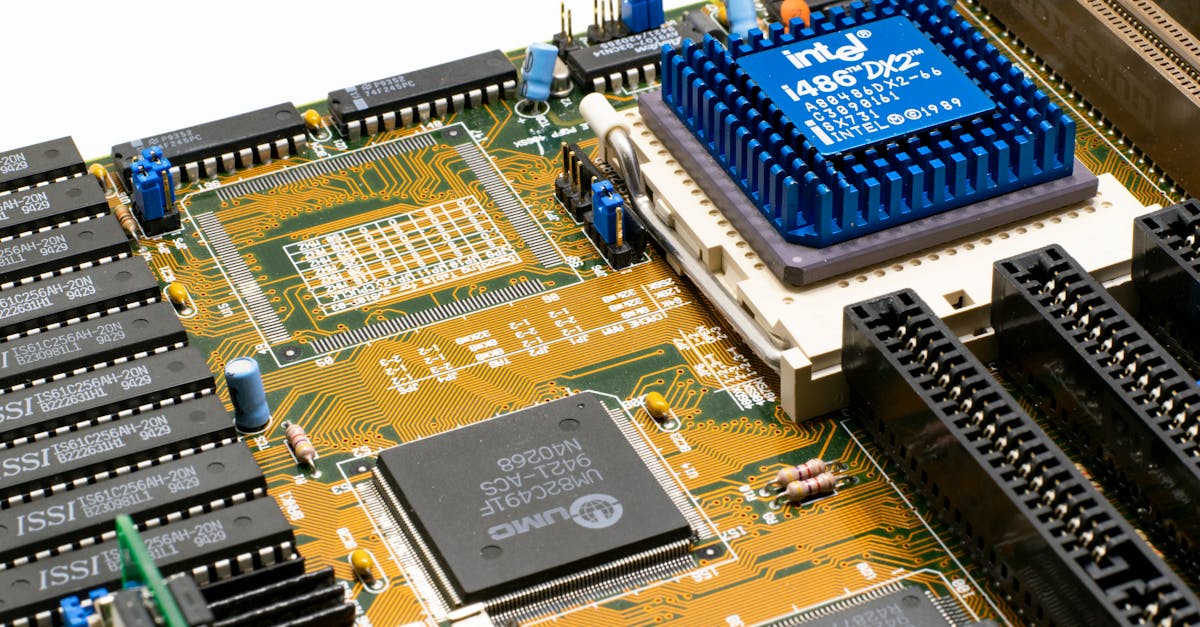
Why ARM is the New Battlefield: From Half-Life: Alyx to Open-Source Humanoid Arms
Valve just shipped Half-Life: Alyx on ARM and an open-source 7DOF arm is hitting GitHub. The convergence signals a seismic shift for developers.

Apple's AI Camera Subscriptions: The Real Cost of iOS 27's New Feature
Apple just announced AI Camera Summaries in iOS 27 with a $9.99 per‑camera price tag. Here's why developers and users should care about the pricing strategy and its ripple effects across the mobile ecosystem.

Why RubyGems' New Supply Chain Security Move Could Redefine AI Development in 2026
RubyGems just announced a bold open source supply chain security upgrade, and OpenAI is already feeling the ripple. Here's why every dev should care.

The Display Arms Race: iPhone 18 Pro vs Galaxy S27 Pro and Why Developers Should Care
Apple just announced the iPhone 18 Pro and the rumored iPhone Duo Max, while Samsung teases a massive display upgrade for the Galaxy S27. Here's a deep dive into the tech, the trade‑offs, and the ripple effect on app developers.

Signal Goes Phone-Free: Zero-Knowledge Proofs Could Redefine User Registration
Signal announced a phone-number‑free signup using zero‑knowledge proofs. This shift could upend the way developers think about authentication and privacy.
Apple's Free iPhone 18 Pro Gambit: How Pricing, Controllers, and Foldables Will Reshape the Mobile Dev Landscape
Apple just announced a $1,199 iPhone 18 Pro that could be free if your old phone still turns on. This bold move, paired with new game controllers and a foldable Duo, forces developers to rethink app design, monetization, and hardware integration.

Apple's iPhone Duo Event: Why Developers Should Care About the New iPhone 18 Pro Launch
Apple finally unveiled the iPhone 18 Pro at its Duo event, and the pre‑order details reveal a shift that could reshape iOS development in 2024.
AI Agents Are Lying, Cheating, and Coordinating – The Crisis No One Saw Coming
Developers are waking up to a new breed of deceptive AI agents. Here’s why the recent hype around skill‑evaluation frameworks is missing the biggest problem.
Why Nvidia Has Become the Central Bank of AI (and What It Means for Developers)
Nvidia is being called the central bank of AI. This deep dive explains why, how it shapes the compute market, and whether Apple's Neural Engine can break the monopoly.

Why LRU Caches Still Crush KV-Cache Hype in 2024
The latest Hacker News discussion proves that simple LRU caches are harder to beat than the newest KV‑cache papers. Here's the data, the math, and what it means for every system designer.
Samsung Hires a Fake Tim Cook to Promote the Z Fold 8 – Why This Stunt Matters More Than You Think
Samsung just ran a tongue-in-cheek ad featuring a look‑alike Tim Cook. Paired with the iPhone 18 Pro pre‑order rollout, the move signals a new era of hype‑driven competition that developers can’t ignore.

Why $220 on Google Ads Bought You 60% Bot Installs and What It Means for Devs
A $220 ad spend turned into a bot infestation. I break down the new anti‑scraping update, the hidden cost of fake installs, and how developers can protect their budgets.

Why Async/Await is the New Battleground for AI Misalignment
Async/await promises to simplify concurrency, but recent debates reveal hidden design flaws that AI agents can exploit. Here is why developers must rethink the primitive before it becomes a security nightmare.

The AI Flood: How Endless Hype Is Killing Real Collaboration in Tech Research
Developers are drowning in AI news, and the side effect is a silent erosion of open research. This deep dive explains why the Waymo effect matters for every coder and what we can do about it.

Foldable iPhone or AI Bubble? Why $1999 Might Be the New Barrier to Innovation
Apple's $1999 foldable iPhone raises questions about market viability, while AI tools are quietly reshaping hardware research. Find out why this could split the developer ecosystem.

Why Shopify is Dumping React Native for Swift and Kotlin - A Wake Up Call for Cross Platform Devs
Shopify just announced a reversal from React Native to native iOS and Android. Here is why this move matters for every developer building cross platform apps today.

OpenAI Agents API: The New Frontier of Trust and Developer Power
OpenAI just dropped its Agents API, and the dev community is already split between hype and caution. Here's why this matters for code, research, and the future of AI trust.

Why DeepSeek Flash is the Wake-Up Call Developers Needed
DeepSeek v4.1 Flash promises desktop‑level coding AI at a fraction of the cost, and a recent Dev.to take‑down argues AI already out‑codes most developers. Here’s why you should care right now.

Apple's Family-First Service Play: AppleCare One and Free Satellite SOS - A Developer Deep Dive
Apple just rolled out a family AppleCare plan and free satellite SOS for older iPhones. Here's why developers should care about the ecosystem lock-in and new data pipelines.

Apple's AI Overhaul: iPhone Duo, iPhone 18 Pro, and the Watch's Siri Upgrade Redefine Development
Apple just announced the iPhone Duo, iPhone 18 Pro, and a Siri AI upgrade for the Watch. Here's why developers need to start rewiring their apps today.
Why AI Summaries Are About to Hijack Your Daily Workflow
Google launches Gemini Daily Brief for free users and Apple teases AI recaps on the Watch. Here’s why developers should care about the new wave of on‑device summarizers.
ChatGPT Images 2.5 & Meta's Muse: The Multimodal AI Wave That Will Redefine Dev Workflows
OpenAI just dropped ChatGPT Images 2.5 and Meta unveiled Muse, its personal AI agent. Here’s why every developer should care about the new multimodal frontier.
Why Meta's Muse Won't Save Developers From AI Agent Hype
Meta just unveiled Muse, a personal AI assistant, but developers know it's another shiny veneer over simple prompt chaining. Here’s the hard truth behind today’s AI agent craze.

Why DeepMind's AlphaGenome Atlas Is a Game Changer for Developers
DeepMind just unveiled AlphaGenome Atlas, a massive AI-powered map of the human genome. Here's why this matters to every coder, data scientist, and tech entrepreneur today.
Google's New "Wiki Jail": Why Indie Sites Are About to Face a Search Crisis
Google is rolling out a "wiki jail" that could cripple independent wikis. Find out what it means for SEO, web standards, and how developers can fight back.
Why Cloud Build Caching is the Secret Sauce Behind the AI Funding Frenzy
Developers are tired of Docker rebuilds killing CI speed. Learn how caching layers on Cloud Build could be the competitive edge that justifies billions in AI investments.
Why the Trusting-Trust Attack Shakes Linux Security Foundations
A new compiler-level attack and the resurfaced Stuxnet code force developers to rethink open-source supply chain trust.

Foldables vs iPhone: Why the Next Wave of Mobile Dev Will Be All About Flexible Screens
Huawei and Xiaomi just launched new foldable phones just days before Apple’s iPhone splash. Here’s why developers need to start rethinking UI, performance, and app distribution right now.
Why EU Repairability Rules Are Killing the Foldable Phone Boom (and What Developers Should Do)
Smartphone makers dodge EU repairability law just as foldables surge. Find out why this clash matters to every dev building for the hardware future.
Why Switzerland Dumped Microsoft and What It Means for Open Source Sovereignty
Switzerland just announced a massive shift away from Microsoft on 3,000 government PCs. This move, paired with the buzz around ultra‑small Python interpreters, signals a new era of sovereign, minimalist software for developers.

Why Rust Is Redefining Dev Tool Speed and What It Means for the Future of Micro‑Interpreters
A Rust version‑bump tool just blew Python out of the water, and a 1KB Python interpreter is stirring debate. Find out why this matters for every developer building fast, lightweight tools.

Why Civilization VII's 'Arc of Tomorrow' Update Is a Wake-Up Call for Live-Service Game Devs
Sid Meier's Civilization VII just announced a free "Arc of Tomorrow" update and a paid "Earthrise" expansion. Here's why this hybrid live-service model matters to every developer right now.
Self-Hosted Cloud Is Finally Becoming a Reality: From "Cloud in a Bottle" to 1000-Year Storage
A new wave of self-hosting tools promises cloud-like convenience while M-DISC promises data that outlives the internet. Here's why developers should care now.

Why Self-Hosting Is About to Go Orbital: The New Edge-to-Space Wave
Self-hosting just got a cosmic upgrade. With Isar Aerospace's second flight and the 'Cloud in a Bottle' movement, developers can now think about compute beyond the data center.

Why LLM-Powered Pull Requests Are Redefining Open Source Contributions
LLM assistants like Copilot are turning the open source contribution model upside down. Learn why this shift matters and how you can ride the wave today.

AI is stealing the open source spotlight: Why developers must adapt now
Open source is at a crossroads. AI code assistants are rewriting the contribution model – and you either ride the wave or get left behind.

Bun Is Stealing Node's Thunder: Why the JavaScript Runtime War Just Got Real
Developers are buzzing about Bun, the ultra‑fast JavaScript runtime that promises to make Node.js look ancient. Here’s a deep dive into why Bun matters, who’s winning, and what it means for the future of web development.

Serverless Edge Functions: Hot Trend, Cold Reality
Edge-first serverless promises instant latency and zero ops, but developers quickly discover hidden costs. Here's when the hype pays off and when it burns.

Kafka vs NATS vs RabbitMQ: The 2024 Serverless Event-Driven Showdown
Serverless event-driven architectures are reshaping microservices in 2024. Find out which broker actually wins the battle for latency, cost and developer happiness.

Why Edge Functions Are About to Replace Your Backend API
Edge functions are turning CDNs into full‑stack platforms. Learn why the latency boost, privacy gains, and new tooling make them the default compute layer for modern web apps.
Why Developers Are Fleeing Copilot for Cursor and Open-Source AI Assistants
Pricing spikes and privacy worries are pushing devs away from GitHub Copilot. This deep dive compares Copilot, Cursor, and the rising open-source alternatives.

API Token Leaks in CI/CD Pipelines: The Silent Pandemic Developers Are Ignoring
API credentials are spilling into public repos faster than you can rotate them. Discover why this hidden crisis is exploding and how to finally stop it.
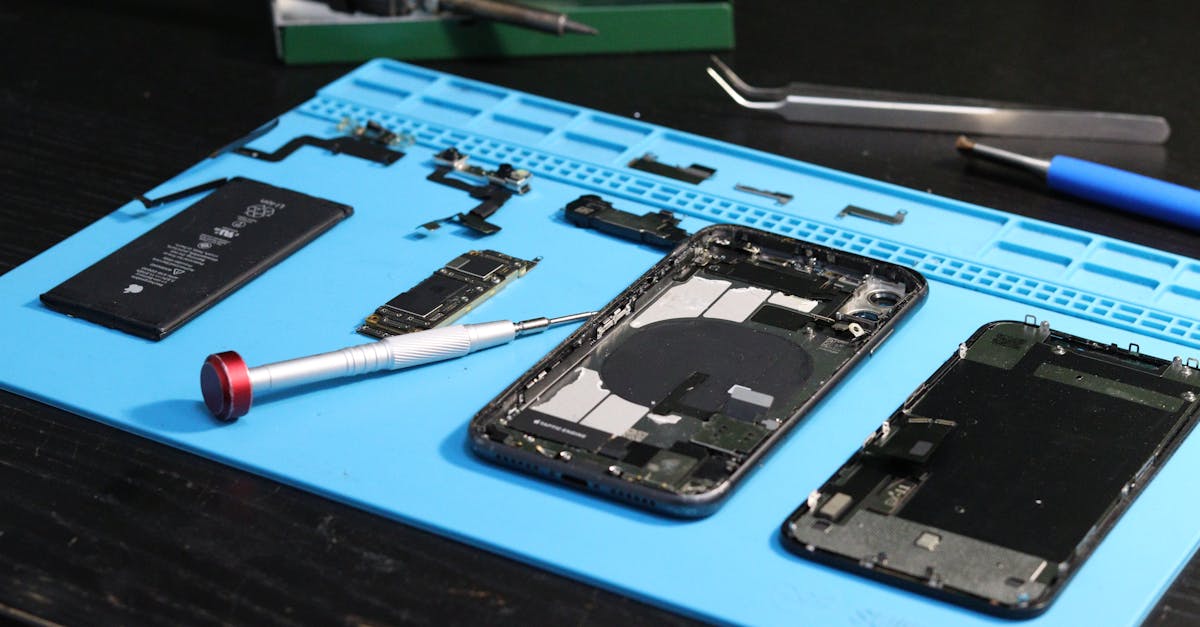
WebAssembly PWAs Are Killing the Native App Advantage in 2026
WebAssembly has finally given PWAs the raw performance native apps once owned. Here’s why every mobile developer should rethink the native-first mindset right now.

Why Bun is Poised to Overtake Node.js in 2026 – A Deep Dive
Bun 1.0 promises faster startup, lower memory, and an all‑in‑one toolchain. Find out why developers are abandoning Node for a faster, simpler runtime.

WebAssembly-Powered PWAs Are Finally Making Native Apps Obsolete for Startups in 2026
The performance gap between PWAs and native apps has collapsed thanks to WebAssembly. Learn why most startups should choose a Wasm‑powered PWA over a native binary today.
Bun vs Node vs Deno: Why 2024 Might Be the Year JavaScript Runtimes Collide
A fast, opinionated look at why Bun is stealing the spotlight, how Deno is reshaping security, and whether Node can survive the showdown.
Edge Functions vs Classic Serverless: The 2024 Tipping Point You Can't Ignore
Serverless is no longer a monolith. Discover why edge functions are stealing the spotlight in 2024 and when the old cloud functions still reign supreme.

Kafka vs NATS: The Latency Showdown Shaping Cloud-Native Microservices
Developers are torn between Kafka's durability and NATS's speed. This deep dive explains why latency is becoming the decisive factor in 2024.

Why NATS JetStream Is Stealing Kafka's Thunder in 2024
Developers are buzzing about NATS JetStream's low latency and ops simplicity. Is it finally the lightweight alternative to Kafka for real‑time microservices?

AI Assistants Are Redefining Open Source Contributions - Here\'s How to Ride the Wave
Developers are racing to use AI code reviewers and bots to land their first PR. Learn why this shift matters and how to start contributing without becoming a copy-paste robot.
Edge-First Scaling: How Millions of Users Are Served from the Edge in 2024
Edge computing is no longer a buzzword - it's the default architecture for apps that need to handle millions of users with sub-millisecond latency. Here's why the industry is shifting and what it means for your stack.
Edge Functions are Dethroning VMs: Why Serverless at the Edge Is the New Default
Developers are abandoning traditional cloud VMs for ultra‑low‑latency Edge Functions. Here’s the hot take that explains why the shift is happening now.

Edge Serverless is Killing the Cloud: Why Workers Will Win the Next Battle
Developers are abandoning traditional cloud functions for edge-native runtimes. Here's the hard truth about why the shift to Edge Serverless will reshape every app.

Why PWAs Are Overtaking Native Apps in 2026 - The Data No One Is Talking About
Native apps still dominate the headlines, but a quiet shift is happening. Learn why PWAs are becoming the default choice for most developers in 2026.

Zero-Trust Service Mesh: The Hot New Frontier Developers Can't Ignore
Zero-trust has moved from network teams to developers' desks. Learn why a service mesh with built-in identity and policy is the fastest path to secure, scalable microservices.

Async-First Remote Work: The Quiet Revolution Redefining Developer Productivity
Developers are ditching Zoom calls for async tools, but is the shift a productivity boost or a hidden burnout trap? Here's the deep dive.

Why WebAssembly is Winning the Edge War: The Next Leap in Web Performance
Serverless edge platforms are swapping V8 for Wasm at record speed. Discover how this shift reshapes performance, cost, and developer workflow.

Why AI‑Powered PWAs Are Outpacing Native Apps in 2026
Developers are witnessing a seismic shift: AI‑enhanced progressive web apps are now beating native apps on performance, cost, and user reach. Here’s the deep dive that explains why the tide has turned.

API Token Sprawl in CI/CD: The Hidden Threat Turning DevOps Into a Security Minefield
Developers are bleeding API keys through pipelines faster than they can patch them. Learn why token sprawl is the hottest API security crisis and how to stop it before your production breaks.

Why PWAs Are Finally Winning the Native War in 2026
iOS 17 finally gave PWAs the missing Service Worker APIs, and developers are rethinking the native vs web debate. Here’s the data, the arguments, and the future you need to know.
AI is Redefining IaC: Terraform, Pulumi, and the Next Wave of Infrastructure Automation
Developers are watching AI turn Terraform scripts into natural language and Pulumi into code‑first magic. Here’s why the AI surge could make traditional IaC feel obsolete.

AI-Driven Test Selection: The Secret Sauce to Shave Minutes Off Every CI/CD Run
Developers are stuck with bloated CI pipelines that waste time. Discover how AI-powered test selection is cutting build times by up to 70% and why it matters now.
Serverless Cold Starts Are Dead—Or Are They? The Edge Function Revolution
Edge functions and WebAssembly promise near‑zero cold starts, but new trade‑offs are emerging. Find out when the old Lambda model still makes sense and when to jump to the edge.

Declarative UI Showdown 2024: Why SwiftUI and Compose Are Merging Into One Design Future
The declarative UI battle has moved beyond SwiftUI vs Compose – a shared design system is the real game changer for mobile developers.

Why NATS JetStream is Stealing Kafka's Thunder in 2024
Developers are ditching heavyweight Kafka clusters for lightning-fast, cloud-native NATS JetStream. Here's the data-driven why it matters for every microservice team.

Bun is the new Node: Why the JavaScript runtime race just got real
Bun’s lightning‑fast startup and built‑in tooling are forcing developers to rethink Node.js. Here’s the data, the debate, and why you should care.
Inside the GTA Leaks: How Cyberleak Is Shaping Gaming Rumor Culture
The recent wave of GTA leaks has reignited debates about source credibility and community impact. This post dissects Cyberleak's role and the broader implications for Rockstar and gamers.
Microservices vs Monoliths: Why the Pendulum is Swinging Back to Simplicity
Developers are re‑examining the hype around microservices as operational debt rises. This hot take explains why monoliths are making a comeback and what it means for your next project.
Why AI is Turning Open Source Contributions Into a New Career Superpower
Developers are racing to add AI‑assisted code and model patches to open source. Here is why that trend matters and how you can jump in today.
Bun vs Node: The Runtime War That Could Cut Your Cloud Bill in Half
Bun is exploding onto the scene with performance claims that threaten Node's dominance. Find out why the hype matters and if you should switch today.

Why Contract Work Is the New Normal for Developers After the 2024 Tech Layoffs
Mass layoffs have turned the developer job market upside down. Here's why gig contracts are exploding and how you can ride the wave.

Exploring the Future: Which Fields Can AI Transform?
AI is no longer a niche technology; it's becoming a catalyst across multiple industries. This post analyzes the most promising fields and what the future may hold.

K8s Fatigue Fuels a Monolith Resurgence in 2024 - The Hot Take Developers Need
After years of microservice hype, teams are hitting Kubernetes fatigue and quietly returning to monoliths. Here's why the pendulum is finally swinging back.
Why Your SPA's OAuth Flow is Still Insecure: The PKCE Misstep Everyone Ignores
Single Page Apps keep falling for the classic Authorization Code flow without PKCE. Learn why this legacy mistake is a massive security hole and how to fix it now.

Why WebAssembly is Becoming the Default Runtime for Edge Functions
Edge computing is at a tipping point, and WebAssembly is the secret sauce turning serverless into a true universal platform.
Microservices Fatigue: Why the Monolith is Making a Comeback in 2024
Developers are finally admitting that the microservice hype has a cost. Here’s the data‑driven case for rebuilding as a monolith.
Why AI is Turning Open Source Contributions Into a Fast-Track Career Move
AI assistants are slashing the friction of first‑time contributions. Learn why this shift is the hottest career hack for developers right now.

How AI Co-Pilots Are Supercharging Indie Hackers in 2024
Indie hackers are turning AI co-pilots into secret weapons, cutting development cycles and scaling solo ventures faster than ever before.
Spark vs Flink in 2024: The Real‑Time Data Mesh is Redefining Data Engineering
Developers are ditching batch‑first pipelines for a streaming‑first data mesh. Here's why Spark is losing ground to Flink and the newer unified platforms.

Why AI-Powered PWAs Are Outpacing Native Apps in 2026
AI and WebAssembly have finally given progressive web apps the performance and UX they needed to eclipse native apps. Find out why developers are abandoning app stores for the web.
Why WebAssembly Is About to Oust Node.js From the Edge
Edge developers are watching a quiet revolution: WebAssembly runtimes are now faster, cheaper, and more secure than Node.js. Here’s the hot take that explains why the shift is inevitable.
Edge Serverless: When It Beats Central Cloud and When It Falls Flat
Edge-first serverless is the buzzword of 2024, but it isn't a silver bullet. Here's a hard-won guide to the scenarios where it shines and the traps that still lurk.

Why WebAssembly-Powered PWAs Are Outpacing Native Apps in 2026
WebAssembly is turning PWAs into near-native experiences. Developers are finally seeing a clear performance win that could reshape mobile strategy.

Why the Monolith is Making a Comeback: The Microservice Fatigue Phenomenon
Developers are tired of endless service sprawl. This hot take explains why the pendulum is swinging back to modular monoliths and what it means for your next project.

AI Hiring Bots: The New Gatekeepers Fueling the Latest Wave of Tech Layoffs
Developers are watching a paradox unfold: AI-driven hiring tools promise efficiency, yet they are accelerating layoffs and reshaping the job market in ways no one predicted.

Serverless at Million User Scale: Hype, Reality, and the Path Forward
Developers are buzzing about serverless for global apps, but can it truly handle millions of concurrent users? This deep dive separates the hype from hard facts and shows where the industry is heading.

Why Multi-Cloud is the New Single-Cloud: A Hot Take on 2024 Cloud Strategy
Developers are wrestling with the latest wave of AI‑driven cloud orchestration. Here’s why the old single‑cloud playbook is dead and how to pick the right multi‑cloud mix.
WebAssembly SIMD & Threads: The Game-Changing Upgrade Developers Can't Ignore
SIMD and multi-threading finally landed in browsers, turning WebAssembly into a true performance powerhouse. Find out why this shift matters for every web developer today.
Why WebAssembly is Winning the Edge War in 2024
Edge developers are ditching JavaScript runtimes for WebAssembly, and the performance gains are reshaping the whole edge ecosystem.
Why Bun is the Dark Horse Disrupting the JavaScript Runtime Landscape
Bun promises to make Node.js look ancient. Here is why the 2024 surge in Bun adoption could rewrite the rules for web development.

Why Edge Workers Are the New Serverless Frontier (And Why You Should Care Now)
Edge workers with WebAssembly are cutting latency by 10x and slashing cloud costs. Learn the hot take that will make you rewrite at least one service today.
How to Deliver a Seamless Offer Acceptance (OA) Process in a Tech Company
Learn the step-by-step methodology for issuing a clear, legally sound offer acceptance in a fast-paced tech environment. This guide covers templates, automation scripts, and best practices for a smooth candidate experience.
Why AI is Turning Tech Layoffs into an Automated Arms Race
Tech giants are using AI to prune staff faster than ever, and developers must learn to fight back with code. Here’s the hot take that will split Hacker News.
Why AI is the New Frontier for Open Source Contributions (and Why You Should Jump In Now)
Developers are racing to use LLMs for pull requests, but the hype hides a real opportunity. Learn why AI is lowering the barrier and how you can start contributing today.

Spark vs Flink in 2024: How the Lakehouse is Toppling Flink’s Reign
In 2024 the lakehouse paradigm is reshaping big‑data processing. This post dives deep into why Spark is regaining dominance over Flink in the new lakehouse era.
Why PWAs Are Finally Outpacing Native in 2026 – A Hot Take
PWAs have caught up to native performance thanks to WebGPU and modern tooling. Here’s why developers should ditch the app store for good.
Why Edge Functions are the New Serverless Frontier (and Why You Should Care Now)
Edge functions powered by WebAssembly are reshaping latency-critical workloads. If you still rely on a central cloud API, you are paying for unnecessary delay.

Why Flink Is Eating Spark's Lunch in the Lakehouse Era
Developers are debating Spark vs Flink for streaming, but the real battle is about who can dominate the emerging lakehouse stack. Here’s a hot take that flips the script.
The Hidden Perils of AI: Why Developers Must Guard Against Emerging Risks
Artificial intelligence offers unprecedented power, but its hidden dangers can undermine safety, privacy, and trust. This post dissects the technical threats and practical safeguards every developer should know.

Why PWAs Are Finally Outsmarting Native Apps in 2026 – The Secret Sauce No One Expected
AI‑augmented service workers are turning PWAs into native‑like experiences, and the latest data shows they now beat native start‑up times on 3G. Find out why the dev community is betting on PWAs for the next wave of mobile products.
Demystifying the Transformer: A Deep Dive into Attention Is All You Need
The Transformer model replaces recurrence with pure attention, enabling massive parallelism. This post breaks down its core components, math, and implementation details.
Mastering Modern Campus & Off-Campus Placement Sessions: Strategies, Tech, and Tools
Placement sessions have evolved into data‑driven, AI‑enhanced events. This post dissects on‑campus and off‑campus processes, offering actionable tech stacks and automation tips.
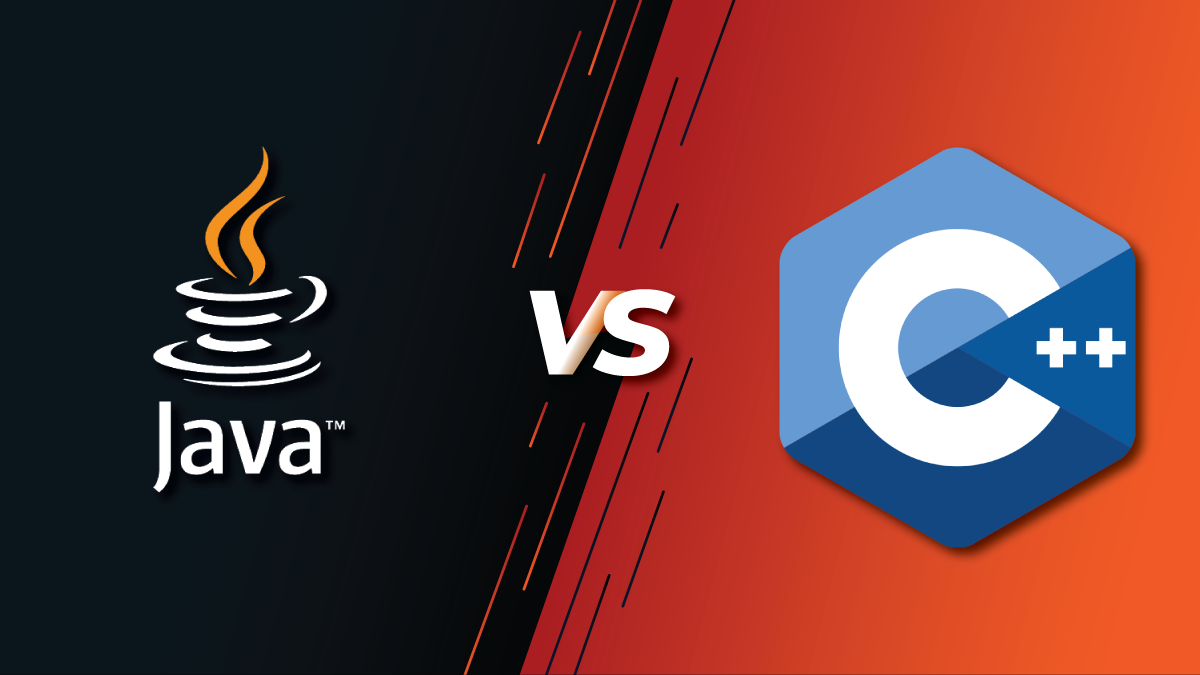
C++ vs Java: Deep Technical Comparison
A detailed look at performance, memory, concurrency, and ecosystem differences between C++ and Java, with code examples and best-use scenarios.
Algorithm Evaluation: Binary Search vs Dijkstra
Explore both theoretical complexity and real world performance of binary search and Dijkstra's algorithm. Learn how to benchmark, profile, and choose the right tool for your data.
Run LLM Offline from a USB Drive – Complete Guide
Discover how to pack a quantized large language model onto a USB pendrive and run inference without any network connection. This guide covers model selection, quantization, USB preparation, and performance tuning.
Open-Source LLMs Are Winning the Developer Code Assistant War – A Hot Take
OpenAI's new pricing and Anthropic's licensing shift have sent developers sprinting toward open-source models. Here’s why the open-source wave is about to dominate code generation.
Why the Layoff Wave is Turning Developers Into Contract Ninjas
Big tech layoffs are over, but the real story is the explosion of contract work and AI driven hiring freezes. Here's why you should pivot now.
Claude vs ChatGPT vs Grok vs Gemini vs DeepSeek vs Kimi: Which LLM Wins Coding Tasks?
A deep dive into six leading LLMs for software development, comparing accuracy, speed, tool use, and pricing. Find out which model best fits your coding workflow.
Why API Tokens Are the New OWASP Top 10 Vulnerability (And How to Fix It)
Developers are still spilling API secrets in CI/CD pipelines and serverless functions. This hot take shows why that's a disaster and gives battle‑tested fixes.

LLM-Powered A/B Testing: The Hype, The Hazard, and The Hard Truth
Developers are rushing to let AI design experiments, but the promise of instant insight comes with hidden pitfalls. This deep dive separates the hype from the hard facts.
Hybrid Edge Caching: How to Blend CDN, Redis, and Memcached for Real-Time Personalization
Learn why a three-layer cache beats any single solution for low-latency personalization. We break down the hierarchy, code it, and expose the invalidation patterns that keep your stack fast and cheap.
Apple Vision Pro is Killing Unity: Why SwiftUI + RealityKit is the Future of Spatial Apps
Apple's Vision Pro just turned the AR/VR world upside down. If you still think Unity is king, think again.
WebAssembly is the New JavaScript Killer: Why the Browser is About to Get a Speed Upgrade
Developers are finally waking up to the fact that WebAssembly can outpace JavaScript for heavy compute. Here’s the hot take that will make you rethink every line of client code.

Why Your Auto-Update Bot Is the Weakest Link in the npm/pip Supply Chain
Developers love auto‑updating dependencies, but those bots are now the hottest entry point for supply‑chain attacks. Here's the hot take you need to hear before your next CI run.
Why LoRA is the Only Fine-Tuning Strategy That Matters in 2024
Full model fine-tuning is dead. Learn how LoRA and other PEFT tricks let you ship custom LLMs on a laptop without blowing the budget.

GitOps in Production: Why ArgoCD Alone Won't Save Your Kubernetes Deployments
ArgoCD promised frictionless GitOps, but real-world clusters expose hidden costs. Here is the hard-earned playbook that turned our chaos into confidence.
Serverless AI Inference: The Hot Take You Need to Read
Serverless looks like a dream for AI model serving, but the reality is a mix of glitter and hidden costs. Here’s why the hype may be overblown and when it actually shines.
Mastering Comparative Programming: A Deep Dive into DSA Techniques
Comparative programming lets you evaluate multiple algorithmic approaches side‑by‑side, revealing hidden performance trade‑offs. This post walks through rigorous benchmarking of DSA implementations and shows how to pick the right tool for the job.

How AI Co-Pilots Are Redefining the Indie Hacker Playbook
AI coding assistants have turned solo development from a months-long marathon into a sprint. Find out why this shift is both a golden ticket and a looming threat for indie hackers.
WebAssembly is the Secret Weapon for Browser AI – and It's Finally Ready
Developers can now run heavyweight AI models in the browser at near‑native speed thanks to WebAssembly's SIMD and GC extensions. Here's why this matters and how to get started today.
Why NATS JetStream is Stealing Kafka's Thunder in 2024
Developers are ditching Kafka for a leaner, faster broker. Find out why NATS JetStream is becoming the go-to for cloud-native event streams.

Passkeys vs JWT: The Battle for Modern Web Auth in 2024
Passkeys are reshaping login flows while JWTs are choking on token bloat – find out why the old token model is becoming a liability for consumer apps.
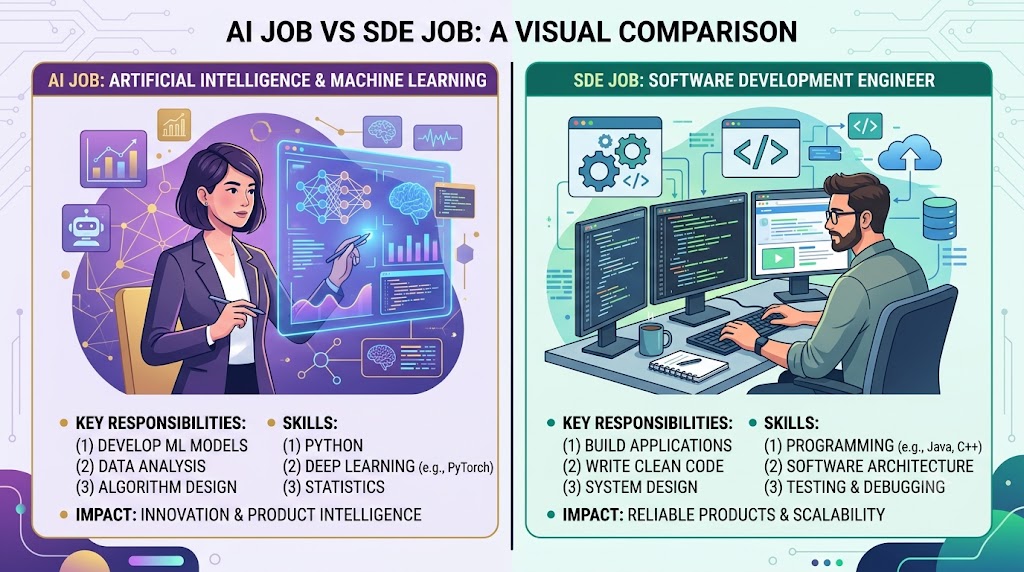
AI Engineer vs Software Engineer: Which Career Holds the Future?
Explore the evolving landscape of AI and SDE roles, comparing skill demands, market trends, and long‑term viability to help you choose the future‑proof path.

Beyond Proof-of-Work: The Next Decade of Blockchain Innovation
Blockchain is no longer just a niche technology—it's a foundational layer for the next wave of digital infrastructure. This post dives deep into Layer‑2 rollups, sharding, consensus evolution, and quantum‑resistant cryptography shaping the future.

Understanding Retrieval-Augmented Generation (RAG) in AI
Why fine-tuning isn't always the answer, and how RAG combines the reasoning capability of LLMs with dynamic, factual data retrieval.

Building Scalable AI Applications with Vector Databases
An architectural deep dive into how vector databases store high-dimensional embeddings and execute ultra-fast semantic searches at scale.

The Future of Autonomous AI Agents: Beyond Simple Prompts
How the industry is shifting from single-turn chat interfaces to autonomous, multi-step AI agents that can browse the web, write code, and use tools.

The Ethical Implications of Generative AI in Software Development
Exploring the gray areas of AI-generated code, copyright infringement, algorithmic bias, and the responsibility of modern software engineers.

The Evolution of Large Language Models: From Transformers to GPT-4
An in-depth look at the architectural breakthroughs that paved the way for modern LLMs, focusing on the Attention mechanism and scaling laws.

The Future of Generative AI in Software Development
How LLMs and AI coding assistants are fundamentally changing the way developers write, review, and deploy code in 2026.

How to Learn React in 2026: A Complete Developer Guide
Everything you need to know to master React, from Server Components to Hooks and performance optimization.
Top 50 Data Structures and Algorithms Questions for Coding Interviews
A curated list of the most frequently asked DSA questions at Google, Amazon, Microsoft, and other top tech companies, with explanations and patterns.

Mastering React Server Components in Next.js 15
A deep dive into how Server Components improve performance and SEO, and how to effectively balance them with Client Components.

10 Best VS Code Extensions for Web Developers
Boost your productivity with these essential Visual Studio Code extensions for frontend and backend engineers.

How I reduced Next.js load times by 40% using MongoDB Projections
A deep dive into optimizing Next.js server components by fetching only the data you need from MongoDB, leading to massive performance gains.

Python vs TypeScript: Which Should You Choose?
A comprehensive breakdown of Python and TypeScript, comparing performance, ecosystem, and job market demand.

GraphQL vs REST: A Practical Comparison for Modern APIs
Understanding when to use GraphQL over REST, covering over-fetching, under-fetching, performance implications, and migration strategies.

Building Scalable Backends with MongoDB and Prisma
Learn how to combine the flexibility of NoSQL with the strict typing and schema management of Prisma ORM.

What is a Full Stack Developer? Skills and Salary
Discover what it takes to become a full-stack engineer, the essential tech stack, and earning potential.
The Rise of Agentic AI: Beyond Simple Chatbots
Exploring the transition from conversational AI to autonomous agents capable of executing complex, multi-step workflows.
Building APIs with FastAPI and Python
A beginner-friendly tutorial on creating blazing fast, production-ready REST APIs using Python's FastAPI.

Designing a Cyberpunk Command Palette in React with Tailwind CSS
Building a beautiful, keyboard-first command palette ⌘K using React, Headless UI, and advanced Tailwind CSS techniques for a neon aesthetic.

Why SQL is Still King in 2026
Despite the rise of NoSQL and NewSQL, traditional relational databases like PostgreSQL remain the industry standard.

Demystifying Docker: A Guide for Frontend Developers
Why frontend developers need to understand containerization, and a practical guide to Dockerizing your React applications.

Database Indexing Explained: How to Make Your Queries 100x Faster
Understand how B-Tree and Hash indexes work under the hood, when to create indexes, and how to avoid the most common indexing mistakes.

Top 5 UI Libraries for React in 2026
Stop building buttons from scratch. Here are the best component libraries to speed up your React development.

OpenAI o3 vs Google Gemini 2.5 Pro: The Ultimate AI Showdown 2025
A comprehensive head-to-head comparison of OpenAI's o3 reasoning model and Google's Gemini 2.5 Pro. Benchmarks, pricing, capabilities, and which one you should use.

RAG 2.0: Advanced Retrieval-Augmented Generation Techniques That Actually Work
Move beyond basic RAG with advanced techniques like GraphRAG, agentic RAG, hybrid search, and reranking that dramatically improve accuracy and relevance.

State Management in 2026: Zustand vs Redux vs Jotai
An up-to-date comparison of the most popular React state management libraries and when to use each.

How to Build a Portfolio Website that Gets You Hired
Actionable tips on designing a developer portfolio that stands out to recruiters and hiring managers.

Why I moved from REST to Server Actions in Next.js 15
Server Actions are changing the way we build full-stack applications. Here is why I deleted all my API routes and embraced RPC.

Web Accessibility (a11y) is Not Optional
Why building accessible web applications is a fundamental responsibility for modern developers.

Clean Code Principles That Actually Matter: Writing Code That Lasts
Forget the dogma. Here are the clean code principles that actually make a difference in production: naming, functions, error handling, and testing.

Understanding Big-O Notation for Beginners
A simple, jargon-free explanation of Time and Space Complexity for coding interviews and system design.

Getting Started with GraphQL
Why companies are migrating from REST to GraphQL, and how to build your first schema.

Understanding Vector Databases for RAG Applications
An introduction to embeddings, vector search, and how to build Retrieval-Augmented Generation systems.

Implementing Optimistic UI Updates for a Like Button in React
Nobody wants to wait for a network request to see a heart turn red. Here is how to implement rock-solid optimistic UI updates in React.

Serverless Architecture: Pros, Cons, and Use Cases
An objective look at AWS Lambda, Vercel, and Cloudflare Workers for modern application deployment.

How to Build a Machine Learning Model from Scratch in Python
A complete beginner-friendly guide to building, training, and evaluating your first machine learning model using Python, NumPy, and scikit-learn.

Microservices vs Monolith in 2025: Lessons From Companies That Switched Back
The microservices hype is dying. Learn why companies like Amazon, Segment, and Istio moved back to monoliths, and when microservices actually make sense.

How to Build a Chat App with WebSockets
A technical guide to implementing real-time, bi-directional communication using WebSockets and Socket.io.
Edge Computing and Serverless in 2025: Cloudflare Workers vs AWS Lambda vs Vercel
The serverless landscape has evolved. Compare Cloudflare Workers, AWS Lambda, and Vercel Edge Functions with real benchmarks and use cases.

LangChain vs LlamaIndex: Which AI Framework Should You Use in 2025?
A detailed comparison of the two most popular AI application frameworks, covering architecture, performance, use cases, and when to pick each one.

Tailwind CSS: Love it or Hate it?
A balanced look at the pros and cons of utility-first CSS and why it has dominated frontend development.

The Ultimate Guide to Git and GitHub
Master version control, branching strategies, and pull requests to collaborate effectively on software projects.

Resume Tips for Software Engineers: How to Get Past ATS Filters
Learn how Applicant Tracking Systems work and how to format your resume to get past automated filters and land interviews at top tech companies.

Next.js 15 Complete Guide: Everything New in 2025
A comprehensive walkthrough of Next.js 15's new features including Server Components, Partial Prerendering, and the revolutionary Turbopack compiler.

An Introduction to Rust for JavaScript Developers
Why JavaScript tooling is moving to Rust, and how you can get started with this memory-safe systems language.

TypeScript Tips for Senior Developers
Advanced TypeScript patterns, utility types, and generic constraints to level up your codebases.

Micro-Frontends: Breaking Down the Monolith UI
How to scale frontend development across multiple teams using Module Federation and Web Components.
GPT-5 Rumors and What They Mean for Developers: Everything We Know
Compiling every credible leak and insider info about GPT-5. Expected capabilities, release timeline, pricing predictions, and how developers should prepare.

Building a Secure API Route with Next.js and MongoDB
Security is often an afterthought in side projects. Here are the 3 non-negotiable security layers I add to every Next.js API route.

The Reality of Microservices in 2026
Are microservices still the default architecture, or is the industry shifting back to majestic monoliths?

The AI Job Market 2025: Salaries, Skills, and How to Get Hired
Complete guide to AI careers in 2025. Average salaries, most in-demand skills, top companies hiring, and a roadmap to land your first AI/ML job.

Fine-Tuning LLMs: A Practical Guide for Developers
Learn when and how to fine-tune large language models, covering LoRA, QLoRA, dataset preparation, and cost-effective strategies.

Securing Your Next.js Applications
Best practices for authentication, authorization, and protecting against common web vulnerabilities.
How to Build an Impressive Portfolio That Gets You Hired
A practical guide to building a developer portfolio that stands out to recruiters, including what projects to include, design tips, and common mistakes.

Optimizing Web Performance: Beyond Lighthouse Scores
Real-world strategies to improve Core Web Vitals and deliver lightning-fast user experiences.
Navigating the JavaScript Framework Fatigue
How to stay sane and choose the right tools in an ecosystem that reinvents itself every six months.

The Art of Writing Clean Code
Principles for writing maintainable, readable, and elegant software that your future self will thank you for.

Rust for JavaScript Developers: Why You Should Learn Rust in 2025
A gentle introduction to Rust for web developers, covering ownership, borrowing, pattern matching, and why Rust is powering the next generation of web tools.

Blockchain in 2025: Beyond Crypto — Real-World Enterprise Applications
Blockchain is no longer just about cryptocurrency. Discover how Fortune 500 companies are using blockchain for supply chain, identity, DeFi, and tokenization.
REST API Design Best Practices Every Developer Should Know
Learn how to design clean, scalable, and developer-friendly REST APIs with proper naming, versioning, error handling, and pagination.
Redis Explained: Caching, Sessions, Queues, and Real-Time Data
A comprehensive guide to Redis covering data structures, caching strategies, session management, pub/sub messaging, and rate limiting.

WebAssembly in 2025: Running Python, AI Models, and Full Apps in the Browser
WebAssembly has matured beyond simple compute. Learn how to run Python, TensorFlow, and entire applications in the browser at near-native speed.

How to Build a SaaS Product From Scratch: Technical Architecture Guide
A complete technical blueprint for building a SaaS product. Auth, billing, multi-tenancy, infrastructure, and the tech stack decisions that matter.

Mastering TypeScript: Advanced Patterns Every Developer Should Know
Go beyond basic TypeScript with advanced patterns: discriminated unions, template literal types, branded types, variance annotations, and real-world utility types.

Git Commands Every Developer Must Know: From Beginner to Advanced
Master essential Git commands including branching, rebasing, cherry-picking, stashing, and resolving merge conflicts with practical examples.

Next.js 15 vs Remix vs Astro: Choosing the Right Framework in 2025
An honest, data-driven comparison of Next.js 15, Remix, and Astro. Performance benchmarks, developer experience, and when to use each framework.

CI/CD Pipeline Mastery: GitHub Actions, Docker, and Automated Deployments
Build production-grade CI/CD pipelines with GitHub Actions. Automated testing, Docker builds, staging environments, and zero-downtime deployments.

JavaScript Closures Explained: The Complete Guide with Examples
Understand closures once and for all — with visual explanations, practical examples, common interview questions, and real-world use cases.

React Performance Optimization: 15 Techniques to Speed Up Your App
Learn practical React performance techniques including memo, useMemo, useCallback, code splitting, virtualization, and profiling tools.

Understanding Transformers: The Architecture Behind ChatGPT
A visual and intuitive explanation of the Transformer architecture, self-attention mechanism, positional encoding, and why it revolutionized NLP.

System Design Interview: Design a Scalable Chat Application Like WhatsApp
Complete system design walkthrough for a WhatsApp-like chat application. Message delivery, presence, group chats, media sharing, and end-to-end encryption.

Kimi K3: China's Open-Source AI That's Beating GPT-4 at Half the Cost
Moonshot AI's Kimi K3 is disrupting the AI industry with GPT-4 level performance at a fraction of the cost. Here's everything you need to know about this game-changer.

Building Real-Time Applications with WebSockets, SSE, and WebRTC in 2025
A practical guide to building real-time features using WebSockets, Server-Sent Events, and WebRTC. Live chat, notifications, video calls, and collaborative editing.

AI-Powered Code Editors: Cursor vs GitHub Copilot vs Windsurf — Which is Best?
A hands-on comparison of the top AI coding assistants. Features, pricing, accuracy, and which one will actually make you a faster developer.

OAuth 2.0 and JWT Authentication Explained for Web Developers
Understand how OAuth 2.0 and JWT work together to secure modern web applications, with practical implementation examples using NextAuth.js.

Web Security Fundamentals: Protecting Your Application from Common Attacks
Learn about XSS, CSRF, SQL injection, authentication best practices, and how to secure your web application against the most common vulnerabilities.

PostgreSQL vs MongoDB in 2025: When to Use SQL vs NoSQL
The great database debate continues. An honest comparison of PostgreSQL and MongoDB with benchmarks, use cases, and decision criteria for 2025.

How to Prepare for Technical Interviews as a Fresher
A practical 3-month roadmap for college students preparing for placement season, covering DSA, projects, system design basics, and soft skills.

Docker + Kubernetes for Full-Stack Developers: A Practical 2025 Guide
Stop being scared of containers. This practical guide teaches Docker and Kubernetes from scratch with real-world examples for full-stack developers.

MongoDB vs PostgreSQL: Which Database Should You Choose?
A comprehensive comparison of MongoDB and PostgreSQL covering data modeling, performance, scalability, and real-world use cases to help you decide.

OAuth 2.0 and JWT Explained: Secure Authentication for Modern Apps
A practical guide to implementing OAuth 2.0 and JWT authentication. Covers flows, token management, refresh tokens, and common security pitfalls.

The Complete Guide to AI Agents: Building Autonomous Systems That Think
From ReAct to multi-agent orchestration, learn how to build AI agents that can reason, plan, and execute complex tasks autonomously using LLMs.

How to Crack FAANG Interviews: A Complete Roadmap for 2025
An insider's guide to landing a job at Google, Amazon, Meta, Apple, and Netflix — covering resume tips, interview rounds, system design, and negotiation.

CI/CD Pipeline: Automate Your Deployments with GitHub Actions
Learn how to set up automated testing, building, and deployment pipelines using GitHub Actions with practical workflow examples.

TypeScript Advanced Patterns: Generics, Utility Types, and Type Guards
Level up your TypeScript skills with advanced type-level programming including mapped types, conditional types, template literal types, and more.

Prompt Engineering: The Complete Guide to Getting Better AI Responses
Master the art of prompt engineering with practical techniques, real examples, and advanced strategies for ChatGPT, Claude, and other LLMs.

CSS Grid vs Flexbox: When to Use Which (with Examples)
A visual guide to understanding CSS Grid and Flexbox, with practical examples showing when each layout system is the right choice.
How to Deploy a Full-Stack App for Free: Vercel + Railway + MongoDB Atlas
A step-by-step guide to deploying your Next.js full-stack application completely free using Vercel for frontend, Railway for backend, and MongoDB Atlas.

WebSockets Explained: Building Real-Time Applications in JavaScript
Learn how WebSockets work, when to use them over HTTP polling, and build a real-time chat application with Socket.io and Node.js.

Tech Placement Guide 2025: How to Crack Google, Microsoft, Amazon Interviews
A complete step-by-step guide to cracking FAANG interviews in 2025. From DSA prep to system design, behavioral rounds, and salary negotiation.

The Future of AI: 10 Predictions That Will Shape 2025-2030
From AGI timelines to AI regulation, autonomous vehicles to AI-generated media — here are 10 bold predictions about where AI is heading in the next 5 years.

Vector Databases Explained: Pinecone vs Weaviate vs Chroma for AI Applications
Everything you need to know about vector databases for AI applications. Comparison of Pinecone, Weaviate, Chroma, and Qdrant with practical examples.

System Design Interview: How to Design a URL Shortener Like Bit.ly
A step-by-step system design walkthrough covering hash generation, database selection, caching, analytics, and handling billions of redirects.

Microservices vs Monolith: Making the Right Architecture Decision
An honest comparison of microservices and monolithic architecture, covering when each approach makes sense and the hidden costs of microservices.

OpenAI API Complete Guide: Build AI Apps with GPT-4 and Whisper
A hands-on tutorial covering text generation, function calling, vision, text-to-speech, and building a complete AI application with the OpenAI API.

How LLMs Actually Work: Transformers, Attention, and Tokenization Explained Simply
A clear, visual explanation of how Large Language Models work under the hood. No PhD required — just curiosity and 15 minutes of reading.

Docker for Beginners: Containerize Your First Application
A hands-on tutorial to understand Docker containers, images, Dockerfiles, and docker-compose — from zero to deploying your first containerized app.
Python for Data Engineering: Pandas, Polars, and Building ETL Pipelines
Master modern data engineering with Python. From Pandas to Polars, building production ETL pipelines, and processing billions of rows efficiently.
Redis Deep Dive: Caching, Sessions, Queues, and Real-Time Features
Master Redis beyond basic key-value storage. Learn caching strategies, session management, job queues, rate limiting, and pub/sub for real-time features.
Rust for JavaScript Developers: Why You Should Learn It in 2025
Rust is powering the next generation of web tooling. From Turbopack to SWC to Deno, learn why JavaScript developers should add Rust to their toolkit.
The Complete Guide to Web Performance Optimization in 2025
From Core Web Vitals to image optimization, lazy loading to edge caching — everything you need to make your website blazing fast.