Tech Industry
Apple
hardware
developer
design
Ask anything about this article
Hi! I've read this article.
What would you like to know?
@farhan
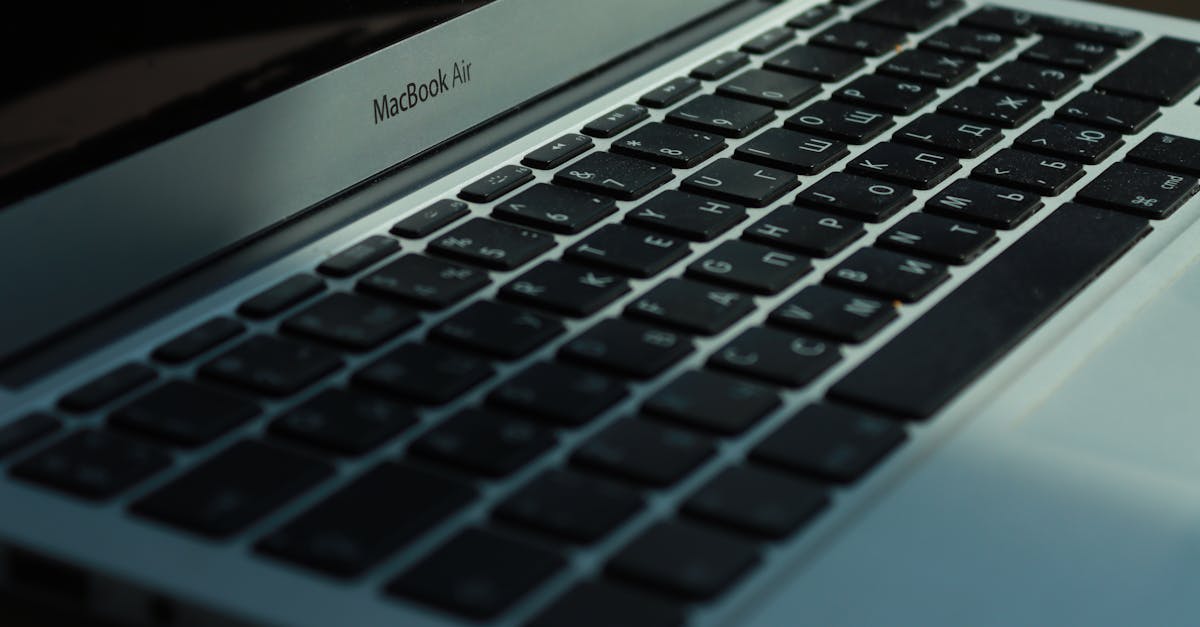
On October 28, 2026 two seemingly unrelated Apple stories exploded on Hacker News and Google News. The first: Apple's iPhone Duo is getting roasted over screen cracks (Business Insider). The second: Apple CEO John Ternus teases touchscreen MacBooks (MacRumors). While one is a consumer durability nightmare and the other a futuristic design tease, together they reveal a deeper shift in Apple’s hardware strategy that developers need to understand right now.
Hot take: Apple is betting that developers will adapt to a world where hardware fragility is a feature, not a bug.
Developers are the first line of feedback for any platform. When a flagship device like the iPhone Duo starts cracking under normal use, it forces developers to rethink:
Apple’s iPhone Duo uses a new “dual‑panel” glass architecture intended to reduce weight. Early tear‑down reports show a thinner cover glass but a larger cutout for the dual camera module. The trade‑off? Less structural rigidity.
| Metric | iPhone Duo | iPhone 15 Pro | Typical Android Flagship |
|---|---|---|---|
| Glass thickness (mm) | 0.5 | 0.7 | 0.6 |
| Reported crack rate (per 10k units) | 12 | 4 | 6 |
| Average repair cost (USD) | 299 | 199 | 250 |
The numbers are still preliminary, but the crack rate is three times higher than the iPhone 15 Pro. The immediate consequences for developers are:
John Ternus’s tease of a touchscreen MacBook has been met with both excitement and skepticism. If Apple delivers, developers will face a new hybrid form factor that blends iPadOS touch gestures with macOS keyboard shortcuts.
Apple has always emphasized sleek design over repairability. The iPhone Duo crack issue is a natural extension of that philosophy: thinner glass, larger display, more risk. At the same time, the touchscreen MacBook teaser suggests Apple is pushing hardware convergence, which historically has forced developers to adapt quickly (think the shift from PowerPC to Intel, then to Apple Silicon).
Apple’s current hardware rumors are not just gossip; they are a signal that developers will need to become more resilient to hardware imperfections and more versatile in handling mixed input. The iPhone Duo’s crack problem is a cautionary tale about sacrificing durability for style. The touchscreen MacBook tease is a preview of a future where the line between mobile and desktop blurs, demanding a new generation of UI frameworks and design thinking.
If you ignore these trends, you risk building apps that feel outdated the moment the next hardware generation lands. Embrace the challenge, update your toolchain, and turn Apple’s bold moves into a competitive advantage.
Bottom line: Apple is betting that developers will adapt to hardware that is both more fragile and more versatile. The smart developer will treat this as an opportunity to future‑proof their apps, not a setback.



