Mobile
battery
AI
Android
Gemini
Ask anything about this article
Hi! I've read this article.
What would you like to know?
@farhan
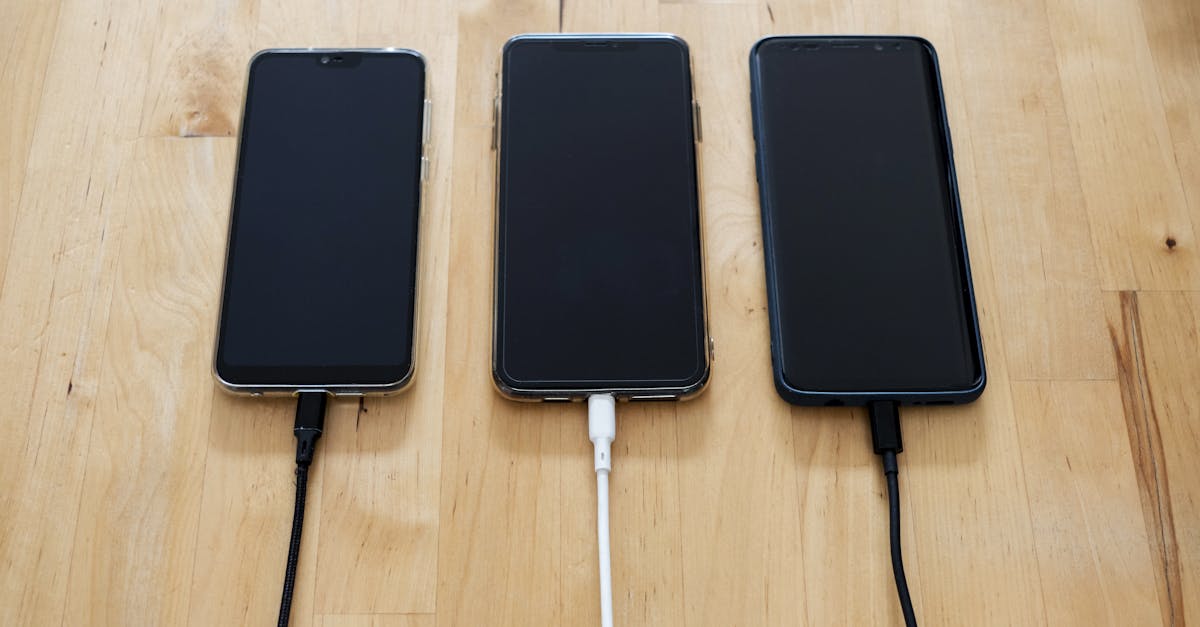
Today two seemingly unrelated rumors hit the tech feed: the Galaxy S27 Ultra is said to have a clever hardware tweak that could finally tame the infamous battery drain, and Pixel 11 is rumored to let Gemini AI call your contacts for you. Both stories landed on Hacker News and Google News within minutes of each other, and they spark a single, larger conversation – how mobile hardware and AI software are colliding to reshape the developer landscape.
The real story isn’t just a new phone spec, it’s a signal that AI‑driven power management is becoming a competitive moat.
Smartphone batteries have been the Achilles heel of every flagship since the first iPhone. Manufacturers have tried bigger cells, faster charging, and software throttling, but user expectations keep rising. The rumor about the S27 Ultra claims a dynamic voltage scaling circuit that can shift load between the main battery and an auxiliary super‑capacitor module in real time. In plain terms, the phone would borrow a burst of power from the capacitor for short spikes (gaming, video recording) and let the main cell recover.
Key implications for developers:
The Pixel 11 rumor is equally eye‑catching. Gemini, Google’s multimodal model, is allegedly being integrated into the dialer so that you can say "Hey Gemini, call Mom" and the assistant will not only dial but also read recent context (e.g., "You last spoke two days ago") and suggest a time. This is more than a voice command; it is a conversation‑level integration that blends AI reasoning with the telephony stack.
From a developer’s standpoint:
What makes these two stories intersect is the emerging trend of AI‑controlled power budgets. Imagine a device that monitors your usage pattern, predicts a heavy AI call, and pre‑charges the capacitor just before the request. Conversely, the AI can decide to defer a non‑urgent background sync until the battery is in a high‑efficiency state.
| Feature | Galaxy S27 Ultra (rumor) | Pixel 11 (rumor) | Shared AI‑Power Potential |
|---|---|---|---|
| Primary focus | Hardware‑level power buffer | Software‑level AI assistant | AI decides when to tap the buffer |
| Battery tech | Super‑capacitor module | Standard Li‑ion with AI‑optimized scheduling | Dynamic load balancing |
| Developer impact | New power‑state callbacks | New AI intent APIs | Combined SDK for "smart power" |
Developers who start experimenting with PowerManager callbacks now have a reason to watch the Android Open Source Project (AOSP) roadmaps for new hooks. The same goes for those building Gemini‑enabled features – they will need to respect the device’s power state to avoid draining the auxiliary store.
CAPACITOR_USAGE permission and a GEMINI_CALL permission. Early adopters can request these in beta and shape the UX.The simultaneous buzz around the Galaxy S27 Ultra’s battery hack and Pixel 11’s Gemini calling feature is more than headline fodder. It marks a pivot point where hardware innovation and AI software are no longer separate tracks but converging pathways. For developers, the sweet spot lies in building apps that are both power‑smart and AI‑aware. Those who ignore the emerging APIs risk being left behind on devices that can dynamically allocate energy based on intelligent predictions. The next wave of mobile development will be measured not just in megahertz or UI polish, but in how gracefully an app can ride the synergy between a capacitor‑boosted battery and a conversational AI that knows when to ask for a call.