Mobile
iPhone
hardware
supply chain
quality control
Ask anything about this article
Hi! I've read this article.
What would you like to know?
@farhan
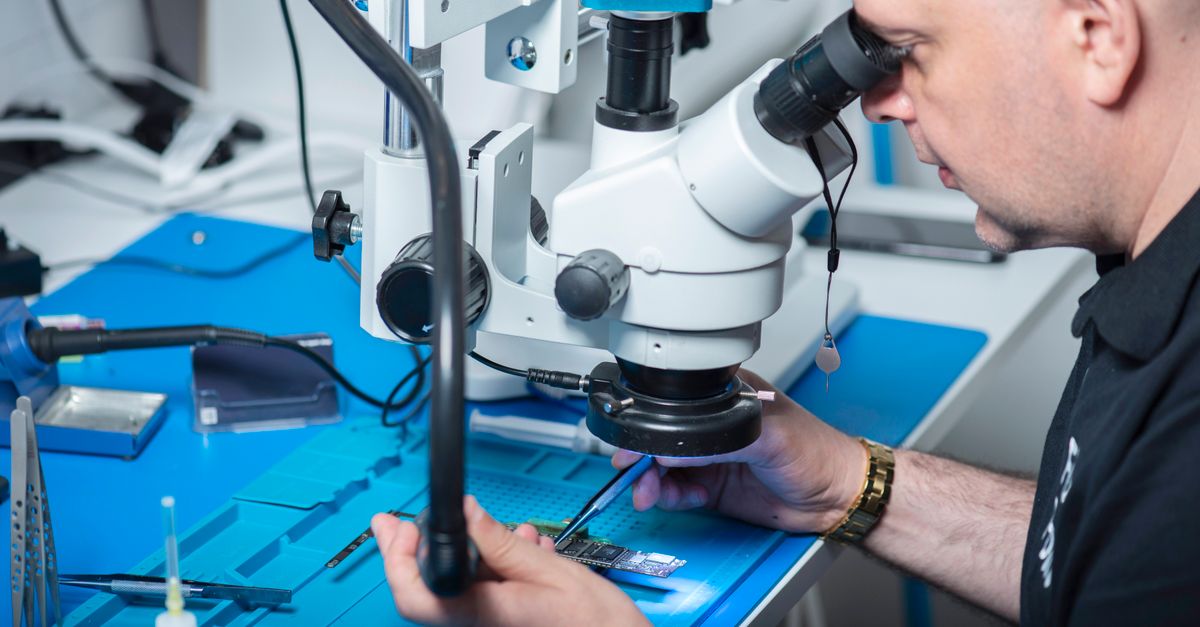
"Apple's iPhone Maker Confident of Meeting Surge in Duo Demand" and "Apple Alerts Stores to iPhone Duo's Display Cracking Issue" are the two stories dominating today's tech feed.
In less than 24 hours we have a classic supply‑demand paradox: a brand new iPhone model that consumers are scrambling for, and a quality problem that could erode that very hype. For developers who build iOS apps, this is not just a hardware footnote – it reshapes roadmap planning, QA strategies, and even the economics of app releases.
Apple announced the iPhone Duo in early October as the first device to ship with a dual‑camera system optimized for low‑light portrait mode. The key selling points are:
Developers have already started to prototype features that leverage the new hardware: AI‑driven background removal, live photo filters, and on‑device ML inference for AR experiences. The market buzz is clear – the Duo is set to become the default target for any iOS app that wants to showcase cutting‑edge media capabilities.
Within hours of the launch, MacRumors reported that Apple had sent an internal alert to retail stores about a display cracking issue affecting a small but noticeable batch of Duo units. The problem appears to be a micro‑fracture in the glass that propagates after a few weeks of normal use. Apple has not disclosed the root cause, but industry insiders suspect a change in the glass supplier's tempering process.
From a developer standpoint, this raises three immediate concerns:
| Area | Positive momentum from demand | Negative pressure from cracking issue |
|---|---|---|
| App Store rankings | Higher visibility for Duo‑optimized apps | Potential drop if users uninstall due to hardware frustration |
| Feature planning | Faster rollout of AI‑camera features | Need to implement graceful degradation for broken screens |
| Testing resources | More devices to test on (high demand) | Additional QA cycles for hardware failure cases |
| Revenue forecasts | Spike in in‑app purchases tied to new camera features | Refunds and chargebacks if users blame apps for hardware glitches |
The matrix shows that the same news cycle that fuels hype also forces developers to rethink risk management.
Apple has a history of turning hardware hiccups into PR opportunities. The iPhone 6 bend controversy, for example, led to a redesign and a marketing narrative around durability. In the Duo case, the company’s quick internal alert suggests a pre‑emptive containment strategy – they want to catch the issue early, replace affected units, and keep the narrative focused on demand.
From a developer’s lens, this is a signal that Apple expects the Duo to dominate the next quarter’s revenue charts. Ignoring the device in your roadmap now would be a strategic mistake. Instead, treat the cracking problem as a temporary edge case and build your app to detect screen integrity at launch.
UIScreen.main.nativeBounds and the new isScreenCracked API (rumored for iOS 17.3) to warn users before launching camera‑intensive features.The Duo episode underscores a timeless truth for developers: hardware reliability is as important as software innovation. When a flagship device becomes the center of a supply‑demand storm, the ecosystem – from app stores to third‑party tools – feels the ripple.
If you look at the Android side of the news, 9to5Google reports that Android 17 is on only 1% of devices after four months, while Android 16 still sits at 25%. The contrast is stark: Android’s fragmentation means developers must support a wide range of OS versions, but they are less vulnerable to a single hardware flaw derailing the entire platform.
Apple’s tightly controlled hardware‑software stack gives developers a clear target, but it also means that any defect can have outsized impact. The lesson is to design for resilience – assume that a fraction of your user base will encounter hardware quirks and build mitigation paths into your product.
Staying ahead means tracking these signals and adjusting your roadmap accordingly.
By treating the Duo’s hardware hiccup as a manageable risk rather than a show‑stopper, developers can turn today’s crisis into tomorrow’s growth engine.



