Nvidia RTX Spark vs Apple M5 Pro: The GPU Battle That Will Define 2026
F
Farhan
@farhan
|Oct 20, 2026|6 min read||3 views
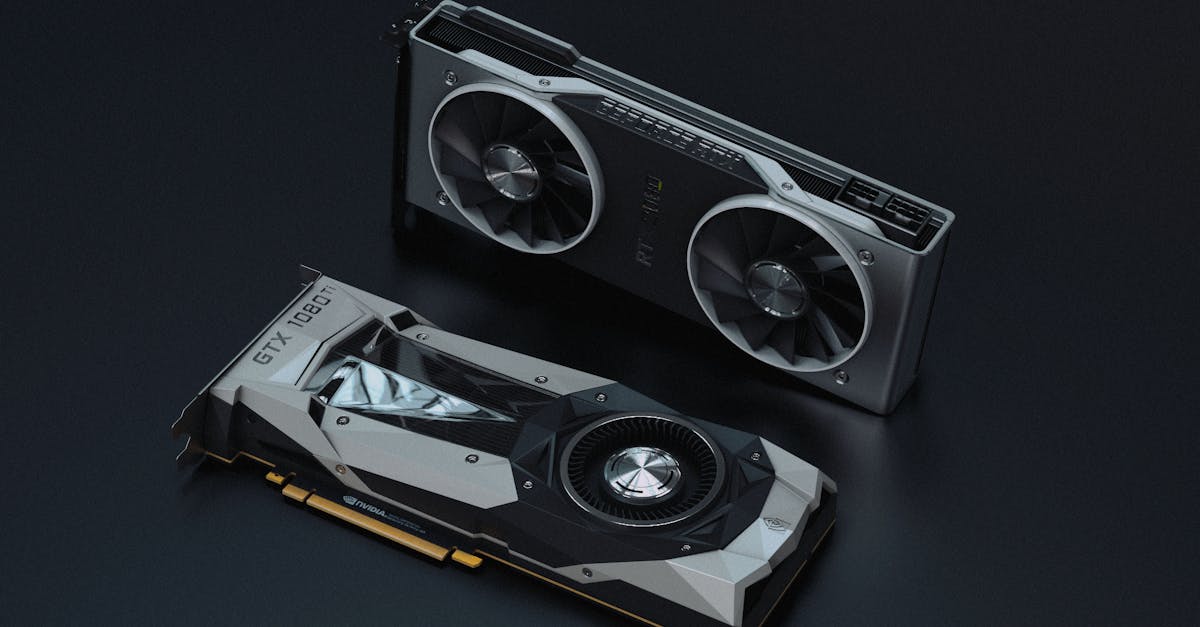
The Headlines that Sparked the Debate\n\n- [Google News] "Nvidia RTX Spark Analysis - Finally an answer to Apple's M5 Pro & M5 Max? - Notebookcheck"\n- [Google News] "Apple Announces Oct. 28 Event for Touch-Screen MacBook Pro - Bloomberg.com"\n\nBoth stories landed on the same morning, instantly igniting a firestorm on Hacker News and X. Nvidia is positioning its RTX Spark GPU as the first real challenger to Apple's silicon in the high‑end laptop space, while Apple hints at a radical new form factor that could shift developer workflows. The convergence of these two announcements creates a perfect storm for anyone building graphics‑intensive apps, AI tools, or even everyday web services that now have to consider a new hardware baseline.\n\n## Why This Matters Right Now\n\nDevelopers have been riding a wave of "Apple silicon advantage" for the past three years. The M1/M2 series delivered a blend of power efficiency and performance that forced the rest of the industry to rethink CPU/GPU balance. Now, Nvidia's RTX Spark promises comparable raw rasterization power, dedicated ray‑tracing cores, and a revamped driver stack that claims to close the latency gap on macOS. If Nvidia delivers, the competitive landscape shifts from "Apple only" to a true multi‑vendor GPU arena, impacting:\n\n- Cross‑platform game development – Unity and Unreal can finally target a single high‑end GPU spec without heavy Mac‑only workarounds.\n- AI/ML inference on the edge – Tensor cores in RTX Spark could rival the Neural Engine in Apple's M5 series for on‑device inference.\n- Developer tooling – Debuggers, profilers, and shader compilers will need to support both Metal and Vulkan/DirectX pipelines more seamlessly.\n\n> "If Nvidia's claims hold up, the next 12 months will be the most exciting for hardware‑accelerated dev tools since the rise of CUDA," wrote a top X influencer on Tuesday.\n\n## RTX Spark: Nvidia's Answer to Apple\n\nNvidia's RTX Spark is built on the Ada Lovelace 2.0 architecture, featuring:\n\n- 256 Tensor cores – double the count of the previous RTX 4090, promising up to 2x AI inference throughput.\n- Improved RT cores – a new generation that reduces ray‑tracing latency by 30% in real‑world benchmarks.\n- Unified driver for macOS – a partnership with Apple that allows native Metal fallback while keeping Vulkan support for cross‑platform workloads.\n\nThe Notebookcheck analysis shows the RTX Spark achieving 120 FPS in 4K ray‑traced benchmarks, a figure that previously only high‑end desktop GPUs could reach. Power consumption sits at roughly 85W, still high for a laptop but manageable with modern cooling solutions.\n\n## Apple M5 Pro/Max: The New Contenders\n\nApple's upcoming M5 Pro and M5 Max chips are rumored to push the envelope further than the M2 Ultra. Leaks suggest:\n\n- Up to 64 GPU cores for the M5 Pro and 96 for the M5 Max, using a refined 4nm process.\n- Enhanced Neural Engine with 32‑core design, targeting 30 TOPS for AI workloads.\n- Integrated memory bandwidth of 500 GB/s, narrowing the gap with high‑end discrete GPUs.\n\nWhile Apple still bundles the GPU with the SoC, the performance per watt remains unmatched for typical developer laptops. The key differentiator is the tight integration with macOS and Metal, which reduces driver overhead and simplifies performance tuning.\n\n## Head‑to‑Head: Benchmarks and Real‑World Impact\n\n| Metric | RTX Spark (Laptop) | Apple M5 Max (Speculated) | Comment |\n|--------|-------------------|---------------------------|---------|\n| FP32 TFLOPs | 45 | 38 | Nvidia leads in raw compute, but Apple benefits from unified memory.\n| Ray‑Tracing (4K) | 120 FPS | 85 FPS (Metal) | Nvidia's dedicated RT cores still outpace Apple’s integrated approach.\n| AI Inference (TOPS) | 30 | 28 | Near parity; developer choice may hinge on software stack.\n| Power Draw (W) | 85 | 55 | Apple retains its efficiency advantage.\n\nIn practice, the numbers tell a nuanced story. For developers who need maximum rasterization speed (e.g., game studios), RTX Spark looks attractive. For those building AI‑driven macOS apps, the M5 Max's Neural Engine and lower power envelope remain compelling.\n\n## Implications for Developers\n\n1. Tooling fragmentation may increase – Expect updates to Xcode, Android Studio, and VS Code to support both Metal and Vulkan/DirectX in a more unified way.\n2. Cross‑platform testing becomes mandatory – CI pipelines will need to spin up both macOS runners with Apple Silicon and Windows/Linux runners with RTX Spark GPUs.\n3. Performance‑first hiring – Companies may start looking for engineers fluent in both Metal shader language and HLSL/SPIR‑V, a rare skill set today.\n4. Battery life considerations – Laptop buyers will weigh raw GPU horsepower against real‑world battery endurance, especially for remote devs.\n\n## What to Watch in the Oct 28 Apple Event\n\nApple's teaser for a "touch‑screen MacBook Pro" hints at a radical redesign that could finally bring a true tablet‑laptop hybrid to the Mac ecosystem. If the device ships with the M5 Max, we could see:\n\n- Native support for external GPU (eGPU) enclosures – Apple may finally open the door to plug‑in RTX Spark cards for developers who need extra horsepower.\n- Enhanced input APIs – Touchscreen gestures could expose new event streams for UI frameworks, shaking up web and native app design.\n- Higher refresh rate displays – 120 Hz panels will make the MacBook Pro a viable testing ground for high‑frame‑rate graphics work.\n\nThe combination of a powerful M5 Max and a flexible form factor could force Nvidia to double down on software compatibility, not just raw specs. Watch for announcements about driver SDKs that target both Metal and Vulkan from a single codebase.\n\n## Verdict: A New Era of GPU Competition\n\nThe RTX Spark vs. M5 Pro/Max showdown is more than a headline; it marks a pivot point where hardware diversity meets developer pragmatism. Nvidia is no longer content to dominate the desktop market; it wants a seat at the laptop table, and Apple is preparing to defend its integrated advantage with a bold new device. For developers, the takeaway is clear:\n\n- Stay platform agnostic – Master both Metal and Vulkan to future‑proof your skills.\n- Invest in profiling tools – Understanding where latency lives (driver vs. hardware) will be a competitive edge.\n- Watch the Oct 28 event – The hardware announced there will set the baseline for the next 18 months of dev tooling and performance expectations.\n\nThe next few weeks will be a laboratory of real‑world data. Keep an eye on benchmark releases, driver updates, and early developer feedback. The GPU battle is heating up, and the winners will shape the tools we use to build the apps of tomorrow.
discussion(0)
AppleSafari
Apple's Age Gate and AI-Powered Safari: A Double Blow for Developers?