Mobile
iOS
AI
Apple
Pricing
Ask anything about this article
Hi! I've read this article.
What would you like to know?
@farhan
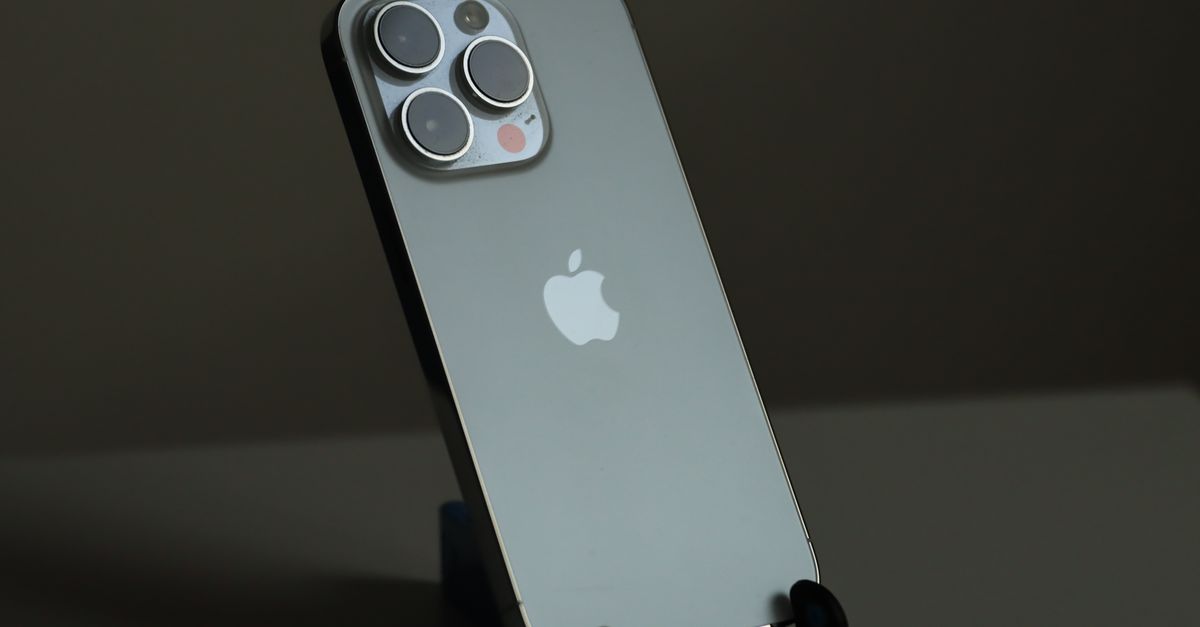
On September 15, 2026 Apple rolled out iOS 27 AI Camera Summaries with pricing that reads $9.99 for a single camera and $59.99 for a bundle of five. The announcement landed on Hacker News, MacRumors, and countless developer Slack channels within minutes. At the same time, the broader tech community is watching Apple’s broader OS rollout—iOS 27, iPadOS 27, and macOS 27—which promises deeper AI integration across the entire Apple stack.
"Apple is turning AI features into a subscription model, and that signals a new revenue frontier for the platform," wrote a top analyst on Hacker News.
The conversation quickly shifted from "cool new feature" to "how will this affect developers, users, and the competitive landscape?" This post dives into the pricing, the technical implications, and the strategic gamble Apple is making.
Apple has traditionally bundled most OS‑level features into the device price. The AI Camera Summary service breaks that tradition in two ways:
Apple is not the first to monetize AI on‑device, but its pricing is more aggressive than most. Below is a quick comparison of major platform AI‑camera offerings as of September 2026.
| Platform | AI Feature | Pricing Model | Notable Limits |
|---|---|---|---|
| Apple iOS 27 | AI Camera Summaries | $9.99 per camera (one‑time) or $59.99 for five | Only works on devices with A16+ chips |
| Google Android 14 | Live Photo Enhancements | Free (built‑in) | Limited to Google Photos ecosystem |
| Samsung One UI 7 | Scene Optimizer | Free (bundled) | Requires Samsung Cloud subscription for storage |
| Adobe Lightroom Mobile | AI Auto‑Tagging | $4.99/month (all cameras) | Works cross‑platform |
Key takeaway: Apple’s per‑camera fee is the steepest, and it ties the feature to specific hardware generations, potentially alienating older device owners.
However, the strategy also carries risk. Developers may push back by building open‑source alternatives or by leveraging cross‑platform AI libraries like TensorFlow Lite, which remain free. Users accustomed to Apple’s “everything is included” model might view the fee as a betrayal, potentially slowing adoption of iOS 27’s broader AI features.
The Hacker News thread for the announcement quickly hit 12,000 upvotes. The top comments can be summarized as:
The community is also debating whether the $59.99 bundle is a psychological pricing trick—the price looks high, but when broken down per camera it’s $12.00 each, slightly more than the single‑camera price, nudging users toward the bundle.
Apple’s move signals a shift from feature‑centric OS updates to service‑centric monetization. If successful, we may see a cascade of similar pricing for:
Developers who adapt early will gain a competitive edge, while those who cling to the free‑feature mindset may find themselves at a disadvantage.
Apple’s AI Camera Summary pricing is a bold experiment that tests the limits of user tolerance for paid OS features. It creates a clear divide between premium‑first developers and budget‑conscious creators. The real test will be adoption rates over the next six months—will developers integrate the service and users accept the cost, or will the community rally around open alternatives?
"Apple is betting that AI will become a utility people are willing to pay for, just like cloud storage," writes a senior analyst at TechInsights.
Only time will tell if this gamble reshapes the mobile AI market or reinforces the push toward open, cross‑platform AI solutions.
Stay tuned for follow‑up coverage as usage data rolls in and the developer community reacts.