Tech Industry
AR
VR
Mixed Reality
Unity
Ask anything about this article
Hi! I've read this article.
What would you like to know?
@farhan
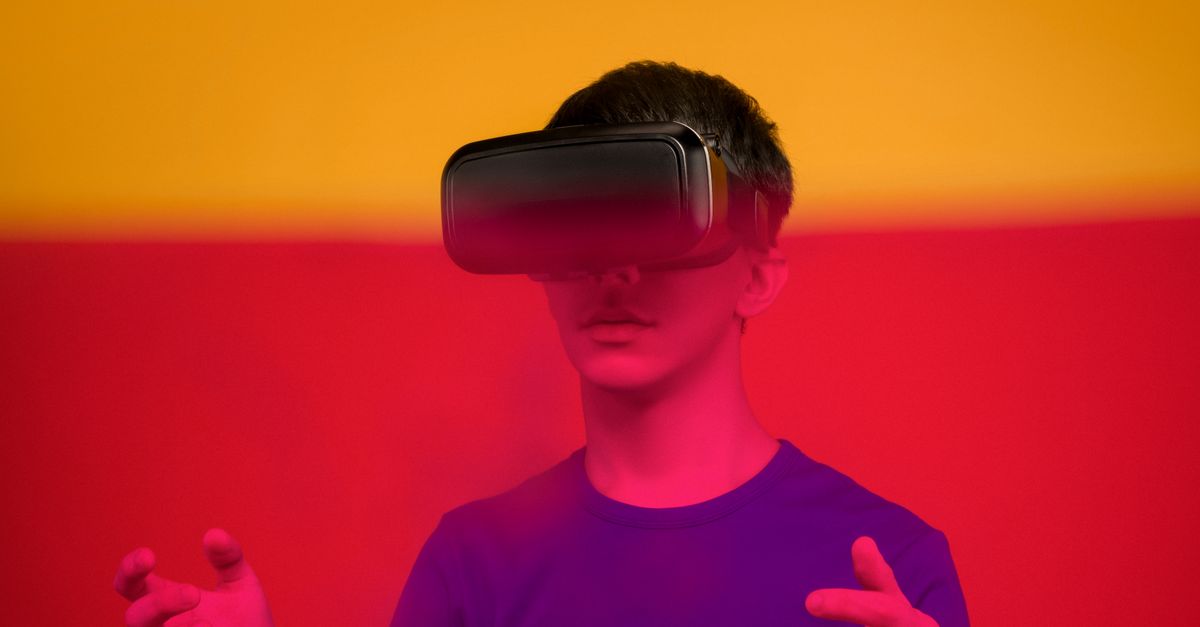
The $1279 Xreal Aura just landed and it is not just another headset - it is a signal that the AR/VR market is finally aligning with developer demand for open, high-fidelity hardware.
Google's Xreal Aura hit the headlines today, positioning itself head-to-head with Meta's latest Quest line. At a price tag of $1279 it is not cheap, but it offers a mixed-reality experience that promises true see-through optics, a 4K micro-display per eye, and a fully open Android-based OS. Meta, on the other hand, continues to push the Quest 3 at $499, banking on mass-market adoption and a mature software ecosystem. For developers, the choice between "premium open platform" and "affordable closed ecosystem" has never been more consequential.
| Feature | Xreal Aura | Meta Quest 3 |
|---|---|---|
| Price | $1279 | $499 |
| Display | 4K per eye, see-through | 2064x2208 per eye, opaque |
| OS | Android 13 (open) | Custom Android (closed) |
| Tracking | Inside-out + external depth sensor | Inside-out 6DoF |
| Battery life | 3 hours (external pack) | 2-3 hours |
| Developer SDK | Xreal SDK (Unity, Unreal) | Meta SDK (Unity, Unreal, WebXR) |
| App Store | Google Play, side-load | Meta Store only |
Just as the hardware battle heats up, Unity announced a web-based AI game creation platform. This service lets developers prototype entire 3D scenes with a text prompt, then export to any supported headset - including both Xreal Aura and Quest. The timing is uncanny: Unity's tool lowers the barrier to entry for immersive content, which could accelerate adoption of newer hardware like Aura faster than Meta's own ecosystem can adapt.
#### What This Means for Your Workflow
On Hacker News, the thread "Google Playground" exploded with comments about the "playground" nature of Xreal's open OS. Many developers praised the ability to run native Android services side-by-side with Unity, while others warned that the higher price will limit early adopters to niche studios.
On Dev.to, a popular post "Why Your TypeScript Code Still Crashes in Production" sparked a side discussion about "type safety in mixed-reality pipelines". The consensus: you need stricter contracts between the AR overlay and the host app, otherwise you'll see the same runtime type erosion that plagues large web apps.
Each step raised developer expectations for accessibility, performance, and open tooling. The Xreal Aura is the latest inflection point, moving the needle from opaque VR to truly open mixed reality.
The Xreal Aura isn't just a pricey headset; it is a statement that the AR/VR market is maturing enough to support open, high-end hardware. Coupled with Unity's AI-driven creation tools, developers now have a clear path to build premium mixed-reality experiences without being locked into a single ecosystem. The real battle will be decided not by price alone, but by which platform gives developers the fastest route from idea to product and the most flexible revenue model.
If you are a developer weighing where to invest your time in 2026, consider the trade-off between "open premium" and "closed mass market". The answer will shape the next wave of immersive apps and could determine who wins the developer mindshare in the years to come.