The M5 Ultra Unveiled
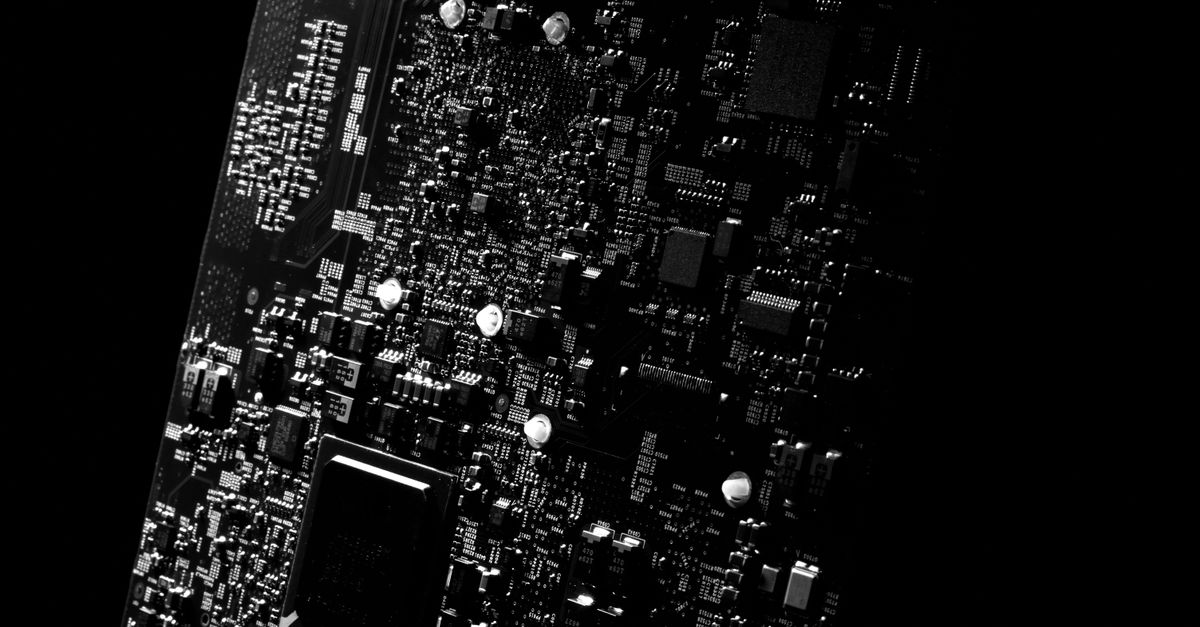
Apple's latest Mac Studio ships with the brand new M5 Ultra chip, a silicon monster that promises "huge AI and graphics power" at a price that feels more like a high‑end workstation than a consumer desktop. Engadget's review highlights a 2‑fold claim: raw compute performance that rivals dedicated AI servers, and a price tag that starts at $5,999 for the base configuration.
"If you are a developer who needs on‑device AI at scale, the M5 Ultra is a game‑changer – but only if you can afford it."
The chip packs 48 performance cores, 64 GPU cores, and a dedicated Neural Engine capable of 200 TOPS (trillion operations per second). Apple says this translates to real‑time video upscaling, on‑device LLM inference, and next‑gen graphics rendering without a cloud fallback.
Why Apple is Betting on AI Hardware
Apple's strategy has shifted from "make the best consumer device" to "own the AI stack from silicon to software". Two trends drive this:
On‑device privacy: Regulations like GDPR and emerging AI privacy laws push developers to run models locally.Developer lock‑in: By offering a unified hardware‑software stack, Apple can keep developers inside its ecosystem, similar to how the original iPhone App Store created a new economy.The M5 Ultra is the hardware cornerstone of that vision. It gives developers a single platform for training small models, running inference, and rendering graphics, all while staying within the Apple ecosystem.
The Developer Perspective: Opportunities and Pain Points
Opportunities
Unified toolchain: Xcode now includes Metal Performance Shaders (MPS) extensions for the Neural Engine, meaning you can write a single Swift codebase that runs on CPU, GPU, and the NPU without manual dispatch.Performance per dollar (for high‑end workloads): For developers building AI‑enhanced video tools, the M5 Ultra can process 4K footage 3x faster than the previous M2 Max.Privacy‑first APIs: New CoreML APIs let you encrypt model weights on‑device, a boon for fintech and health apps.Pain Points
Cost barrier: At $6k+, only large studios or well‑funded startups can justify the purchase. Indie developers may be forced to rely on cloud providers, negating the privacy advantage.Tooling maturity: While Metal and CoreML have improved, debugging on the Neural Engine remains opaque. The lack of a robust profiler makes performance tuning a trial‑and‑error process.Ecosystem lock‑in: Switching to a cross‑platform solution like TensorFlow Lite or ONNX may require significant refactoring, especially if you have invested heavily in Swift/Metal.iPhone Duo: A Software Gamble
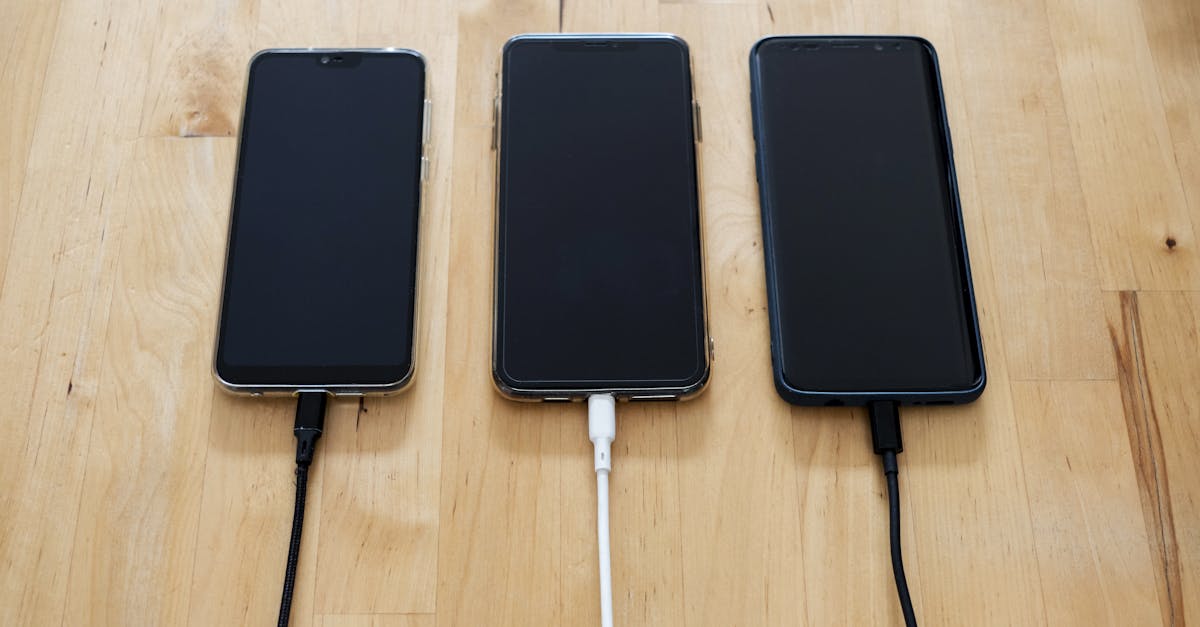
While the hardware headline grabs the press, Apple also announced a bold software experiment: iPhone Duo, a dual‑app mode that lets users run two independent app instances side by side. The feature is marketed as a productivity boost, but the real story for developers is the new API surface that lets apps share state across the two windows.
Shared state API: Similar to the "shared_map" concept on Dart isolates, iPhone Duo introduces a synchronized in‑memory store that both app instances can read/write without explicit IPC.Potential for AI agents: Developers can now run a lightweight AI assistant in one pane while the main app runs in the other, all without network latency.Risk of fragmentation: If the API is not backwards compatible, existing apps may break on older iOS versions, leading to a split in the user base.The gamble is clear: Apple hopes that by offering a unique multitasking experience, it can differentiate iPhone from Android. For developers, the decision to adopt the new APIs now or wait for stability will impact app architecture for years.
Comparative Landscape
Below is a quick comparison of Apple's M5 Ultra stack against two popular alternatives for on‑device AI.
| Feature | Apple M5 Ultra (Mac Studio) | NVIDIA Jetson AGX Orin | Google Coral Dev Board |
|---|
| CPU Cores | 48 performance / 8 efficiency | 12 ARM Cortex‑A78AE | 4 Cortex‑A53 |
| GPU Cores | 64 Metal cores | 2048 CUDA cores | 0 (TPU only) |
| Neural Engine | 200 TOPS (Apple NPU) | 275 TOPS (NVIDIA Tensor Cores) | 4 TOPS (Edge TPU) |
| Memory | Up to 256 GB LPDDR5 | Up to 64 GB LPDDR5 | 4 GB LPDDR4 |
| Price (base) | $5,999 | $1,599 | $149 |
| Ecosystem | Xcode + CoreML + Metal | CUDA + TensorRT | TensorFlow Lite |
The table shows that while the M5 Ultra is not the cheapest, its integration with Apple's software stack offers a smoother developer experience for those already in the ecosystem.
Verdict: Is the AI Push Worth the Hype?
Apple's M5 Ultra and iPhone Duo together signal a decisive shift: hardware and software are being co‑designed to lock developers into a high‑performance, privacy‑first workflow. For developers building AI‑centric products, the M5 Ultra offers unprecedented on‑device power, but the price and tooling gaps mean it is currently a niche solution.
If you are:
A large studio or enterprise: The M5 Ultra is a compelling investment for real‑time rendering and on‑device inference.An indie developer: Consider cloud alternatives or wait for Apple to release a lower‑cost Mac Mini variant with a scaled‑down Neural Engine.A mobile app creator: iPhone Duo's shared state API could unlock new UI paradigms, but adopt cautiously until Apple stabilizes the SDK.In short, Apple is playing a high‑stakes game: deliver enough performance and developer-friendly tools, and the ecosystem will reward them with loyalty. Miss the mark, and developers will migrate to more open, cost‑effective platforms.
"Apple's AI gamble is not just about silicon; it's about forcing developers to choose a path that aligns with their privacy and performance priorities. The winners will be those who can afford the hardware and adapt their codebases quickly."
Key Takeaways
The M5 Ultra is a performance leader but priced for the enterprise.New iPhone Duo APIs could reshape multitasking apps, but risk fragmentation.Developers must weigh cost, tooling maturity, and ecosystem lock‑in when planning AI projects.Watch for Apple’s next software update – it will likely address the current profiling gaps in the Neural Engine.Stay tuned, because the next Apple announcement will likely tighten the integration between hardware and AI software, further raising the stakes for developers.