Tech Industry
AR
Meta
Apple
hand tracking
Ask anything about this article
Hi! I've read this article.
What would you like to know?
@farhan

On September 28, 2026 Meta announced a $1 million competition for "hands‑first" applications, positioning the prize as a catalyst for developers to build immersive experiences that rely on natural hand gestures rather than traditional controllers. At the same time, a slew of reports – most notably from Gizmodo – claim that Apple’s next Vision Pro iteration is on "life support", hinting at serious engineering or market challenges.
These two stories converge on a single question that is already flooding Slack channels and Hacker News threads: Is the future of AR built around hands or headsets? The answer will dictate where development budgets flow, which SDKs get priority, and how quickly we see truly useful AR products in the wild.
* Natural Interaction – Hand gestures are the most intuitive way to manipulate virtual objects. Early prototypes from Microsoft HoloLens and Magic Leap showed that users gravitate toward pinch‑and‑drag motions over button presses.
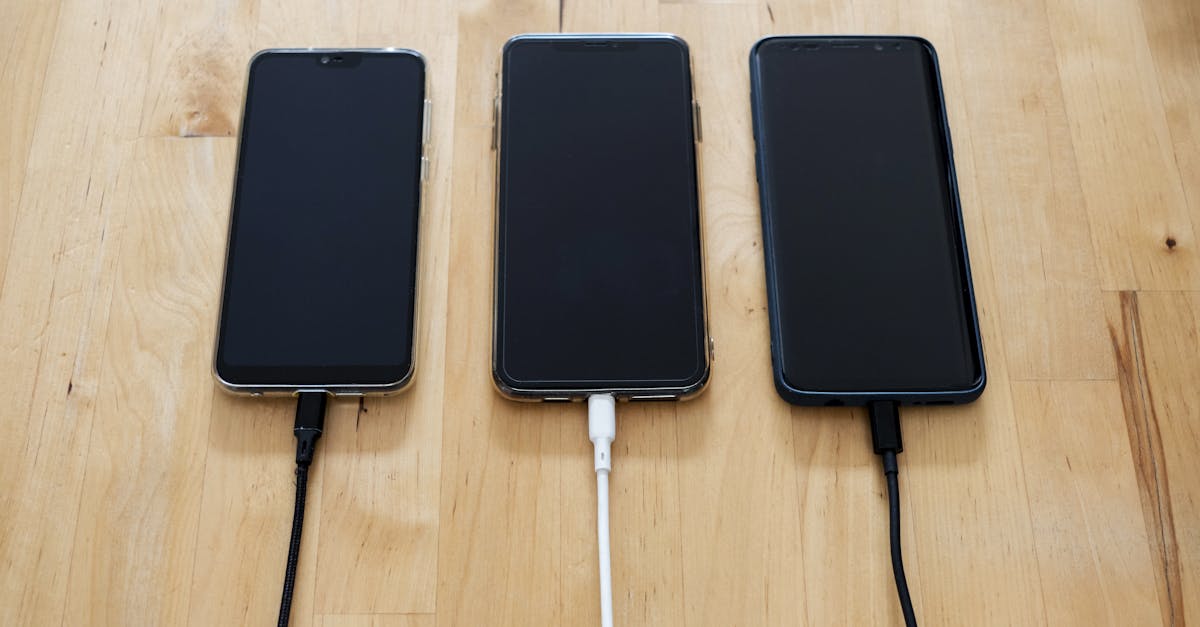
* Hardware Convergence – Modern smartphones already have high‑resolution depth sensors and powerful AI‑driven hand tracking. Leveraging these existing chips reduces the need for expensive, dedicated AR glasses.
* Developer Momentum – Platforms like MediaPipe and Apple’s Vision framework have matured to a point where reliable hand pose estimation runs at 30‑60 fps on mid‑range devices.
Meta’s competition forces developers to prove that hands‑first is not just a gimmick but a viable interaction paradigm that can drive user retention and monetization.
| Aspect | Meta (Hands‑First Competition) | Apple (Vision Pro) |
|---|---|---|
| Funding | $1 million prize pool + $5 M in developer grants for top 10 projects | Significant internal R&D spend, but recent reports suggest cost overruns and delayed shipments |
| Target Hardware | Existing smartphones, upcoming low‑cost AR glasses, and Meta Quest ecosystem | High‑end Vision Pro headset with proprietary optics |
| Developer Incentives | Publicity on Meta channels, early access to hand‑tracking APIs, potential revenue share | Access to Apple’s App Store, but strict UI guidelines and higher revenue cut |
| Market Position | Aggressive push to dominate the next wave of mobile AR | Premium niche product, strong brand but limited mass‑market appeal |
| Risk Profile | Moderate – prize is limited, but success could lead to long‑term partnership | High – large capital outlay, uncertain consumer demand, and now rumored technical setbacks |
Hot Take: Meta’s low‑barrier approach is a strategic move to flood the ecosystem with hand‑gesture apps, creating a network effect that could make Apple’s high‑price headset look like a relic of a failed premium model.
* Risk: Oversaturation – A flood of low‑quality hand‑gesture apps could dilute the market, making it harder for standout projects to gain visibility.
* Opportunity: New Monetization Models – Hands‑first opens doors for micro‑transactions tied to gesture‑based actions, such as virtual object purchases triggered by a pinch gesture.
* Risk: Privacy Concerns – Hand tracking data can be sensitive. Developers must implement on‑device processing and transparent consent flows to avoid backlash.
* Opportunity: Enterprise Adoption – Industries like logistics and remote assistance benefit from hands‑free AR. Winning the competition could attract enterprise contracts far beyond the prize money.
Meta’s $1 million hands‑first challenge is not just a marketing stunt; it is a calculated play to shift the AR conversation from expensive headsets to ubiquitous, gesture‑driven experiences. Apple’s current struggles with Vision Pro amplify this shift, suggesting that the next wave of AR success will be measured in how naturally we can interact with digital content using our own hands, not how many dollars we spend on a premium headset.
For developers, the sweet spot lies in building device‑agnostic, gesture‑first prototypes now, leveraging open hand‑tracking frameworks, and positioning themselves to capture both the prize money and the emerging market demand. The next big AR app could be the one that makes a user say, "I didn't need a headset for that," and that sentiment is exactly what Meta wants to weaponize.
Key Insight: If you can prove that a hand‑gesture UI drives higher retention than a controller or gaze‑based UI, you not only win a competition – you become a cornerstone of the post‑headset AR economy.