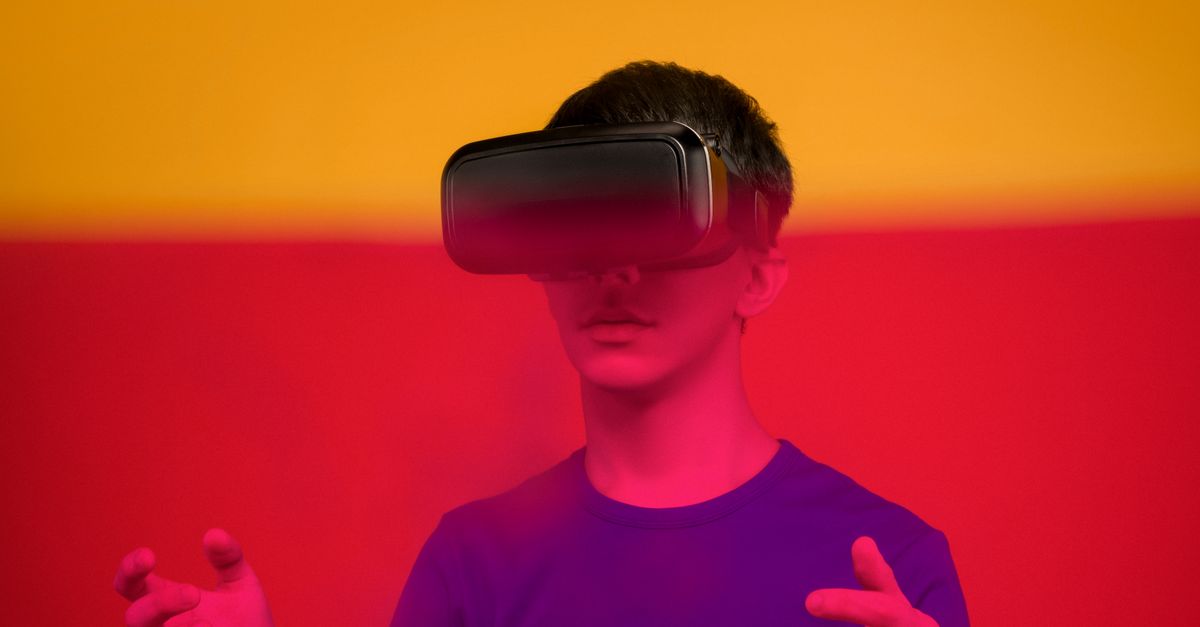
The News That Feels Like It Happened Yesterday
On September 24, 2024 Meta unveiled
Meta VR Glasses, a $1300 headset slated for a spring 2027 launch (UploadVR). At the same time, the Financial Times reported that Zuckerberg will debut a wave of AI products, positioning Meta’s
Muse app at the top of the charts. Across the pond, ChatGPT’s mobile app added voice‑based, agentic features (TechCrunch). Three seemingly separate announcements are actually threads of a single strategic fabric:
Meta is betting that AI‑powered immersive experiences will become the next developer platform.
"If you think AI is just chat, think again – the future is AI that you can see and touch," a senior Meta engineer told a briefing.
Hardware readiness: Snapdragon X2 chips are finally getting Linux support (Hacker News). This opens the door for developers to run open‑source AI stacks directly on the glasses.AI momentum: OpenAI’s claims that Apple’s ChatGPT tools underperformed (Financial Times) highlight a market gap that Meta is eager to fill.Developer fatigue: Recent posts on Dev.to about job searches and burnout show developers are craving new playgrounds, not just another SaaS.A Quick Comparison
| Feature | Meta VR Glasses | Competitor (Apple Vision Pro) | Typical PC VR |
|---|
| Launch Price | $1300 (2027) | $3499 (2024) | $400‑$800 |
| AI Integration | Built‑in Muse AI, voice agents | Limited to Siri + third‑party | None by default |
| OS | Custom Android‑Linux hybrid | visionOS (closed) | Windows/Steam |
| Developer Access | Open SDK, Linux drivers (via Snapdragon X2) | Restricted, requires Apple dev program | Open, but no AI SDK |
Real‑World Impact Scenarios
Remote pair programming: Two developers, each wearing Meta glasses, can see a shared code editor floating in space, while a voice‑first AI watches for bugs and suggests fixes.Data visualization: Finance teams could walk through a 3D market heat map, asking the AI to drill down on any sector with a simple question.Education: Students could explore a virtual lab, asking the AI to explain chemical reactions as they manipulate molecules.What This Means for Developers Today
1. Start Experimenting with Voice‑First UX
Even if you don’t own the glasses yet, you can prototype voice agents using the ChatGPT mobile SDK or open‑source Whisper models. The key is to think
conversation first.
2. Get Comfortable with Linux on ARM
The Snapdragon X2 Linux drivers are now on GitHub. Clone the repo, run a tiny LLaMA model, and measure latency. This will be the baseline for future on‑device AI.
GLTF and USDZ are becoming the lingua franca for AI‑generated 3D. Build pipelines that accept a text prompt, call a diffusion model, and output GLTF – you’ll be ready when Meta opens the SDK.
4. Watch the Ecosystem Play
Meta’s Muse will likely expose an API for third‑party content generators.OpenAI’s voice agents suggest a future where LLMs act as controllers for hardware.Apple’s under‑performance signals that a more open AI‑VR stack could dominate the developer mindshare.Many pundits write off Meta’s hardware because of the $1300 price tag and past privacy scandals. However, the
real differentiator is openness. By embracing Linux on Snapdragon, Meta is giving developers the freedom to run any model they want, unlike Apple’s walled garden. If the community builds compelling AI‑driven experiences, the price becomes a secondary concern – think of how developers rallied around the $399 Oculus Quest 2.
"The next big developer platform won’t be a language or a cloud provider. It will be a sensor‑rich, AI‑augmented reality that you can wear," I argue.
Risks to Watch
Supply chain delays could push the 2027 launch back, reducing early adopter momentum.Regulatory scrutiny on AI-generated content may impose restrictions on what can be displayed in immersive environments.Fragmentation: If Meta’s SDK is not truly cross‑platform, developers may be forced to choose between Android‑Linux and Apple ecosystems.TL;DR for the Busy Engineer
Meta’s VR glasses + Muse AI + Snapdragon X2 Linux = a new open‑source AI‑VR stack.Start building voice‑first prototypes now; the hardware will arrive later.Embrace ARM‑Linux and GLTF; they will be the de‑facto standards.If the community moves fast, Meta could set the default developer platform for immersive AI, outpacing Apple and traditional PC VR.
Bottom line: The convergence of AI and VR is no longer a futuristic fantasy. It is happening now, and the developers who adopt the open stack first will own the next wave of immersive applications.