On September 27, Meta unveiled a
$1 million competition for what it calls
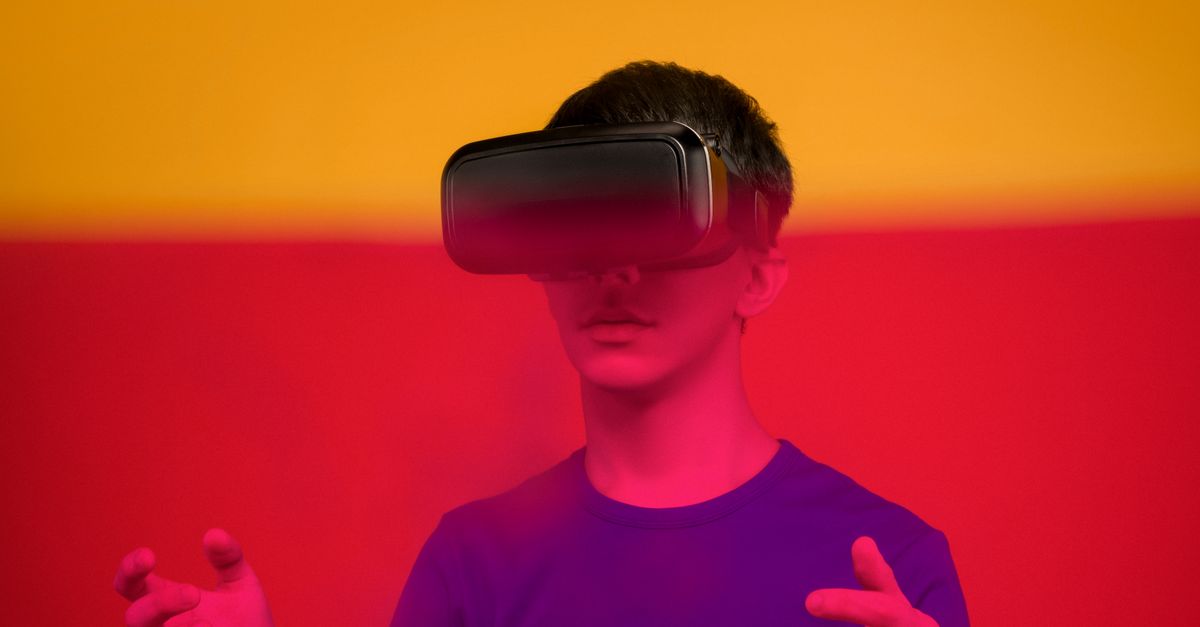
"hands‑first" applications, a clear signal that the next wave of VR experiences will be built around natural hand interaction rather than traditional controller‑centric designs. The prize pool, hosted on the UploadVR site, is split across multiple categories and is open to indie teams, studios, and even solo developers.
"If you can make a user feel like they are actually touching something, you win the future," said a Meta spokesperson in the press release.
The timing is crucial. Meta is slated to release its next generation of VR glasses later this year, and the hardware roadmap emphasizes high‑resolution hand tracking, eye tracking, and haptic feedback. Developers now have a clear incentive to pivot their pipelines toward hand‑centric interaction models.
What Does "Hands‑First" Really Mean?
In the past, VR developers have largely relied on handheld controllers as the primary input device. While effective, controllers create a layer of abstraction that can break immersion. "Hands‑first" flips that paradigm:
Direct Manipulation – Users interact with virtual objects using their real hands, captured by built‑in cameras and sensors.Gesture‑Based Commands – Complex actions are mapped to intuitive gestures rather than button combos.Haptic Feedback Integration – Emerging haptic gloves provide tactile sensations that mimic real‑world touch.The contest encourages prototypes that showcase these capabilities, pushing developers to explore new UI/UX patterns, performance optimizations for hand‑tracking data streams, and novel content creation pipelines.
Why This Is a Turning Point for Developers
1. Market Differentiation
The VR market is saturated with controller‑driven shooters and social apps. A
hands‑first experience offers a fresh angle that can capture early adopters and investors.
2. Lower Barrier to Entry for Creators
Hand tracking removes the need to design and test physical controllers, reducing hardware costs for indie teams. Developers can prototype directly on Meta's upcoming glasses using just the headset and a pair of gloves.
3. New Monetization Models
Hand‑first interactions enable
fine‑grained micro‑interactions that can be monetized through in‑app purchases, premium gesture packs, or subscription‑based haptic content libraries.
Comparative Landscape: Hands‑First vs. Screen‑First VR
| Feature | Hands‑First (Meta) | Traditional Screen‑First |
|---|
| Input Device | Hand tracking cameras, haptic gloves | Controllers, gamepads |
| Development Complexity | Requires robust hand‑pose pipelines, gesture recognition | Mostly controller mapping, well‑documented SDKs |
| Immersion Level | High – natural touch and gestures | Medium – abstracted input |
| Hardware Cost for Devs | Moderate – headset + optional gloves | Low – headset only |
| User Learning Curve | Low – uses real‑world hand motions | Medium – requires learning button layouts |
The table shows that while hands‑first development introduces new technical challenges, the payoff in immersion and user adoption potential is significant.
Real‑World Implications for the Ecosystem
Existing engines like Unity and Unreal are already adding hand‑tracking plugins, but the contest will accelerate
dedicated hand‑first SDKs, visual scripting nodes for gesture detection, and AI‑driven hand‑pose correction tools.
b. Content Creation Shifts
Artists will need to think in terms of
tactile affordances. A virtual button must feel pressable, a surface must convey texture through haptics, and objects must respond to pinch, grab, and release gestures.
c. Accessibility Gains
Hand‑first interfaces can be more inclusive for users with limited mobility who cannot operate traditional controllers. Voice‑augmented gestures could further broaden the audience.
Pro: "Meta is finally aligning its hardware roadmap with developer incentives. This contest could produce the first wave of truly immersive VR productivity tools."Con: "The hand‑tracking tech is still flaky in low‑light environments. Betting the house on it feels premature."Neutral: "Even if the contest winners are polished demos, the real value is the knowledge spill into open‑source hand‑tracking libraries."How to Position Your Submission for Success
Focus on a Core Interaction – Choose a single, well‑defined gesture (e.g., hand‑drawn UI) and perfect it.Showcase Haptic Feedback – Integrate any available glove SDK to demonstrate tactile realism.Measure Performance – Include frame‑time benchmarks for hand‑pose processing; Meta will likely evaluate latency.Tell a Story – Frame the app as solving a real problem (e.g., remote collaboration, education, design) rather than a tech demo.The Bigger Picture: Is This the Dawn of a New Development Paradigm?
Meta's competition is more than a marketing stunt; it is an
industry catalyst. By putting a million dollars on the line, Meta forces the community to confront the limitations of controller‑centric design and to experiment with the next frontier of human‑computer interaction.
If the contest yields a handful of polished, market‑ready products, we could see a rapid shift in how VR applications are conceived, funded, and distributed. Companies that adapt early will capture talent, patents, and market share in a space that is still largely untapped.
Final Thoughts
The $1M hands‑first contest is a clear call to action for developers:
stop treating hands as an afterthought and start building experiences around them. Whether you are an indie creator or part of a larger studio, the prize pool and the upcoming hardware release provide a rare alignment of incentives.
"The future of VR will be judged by how natural it feels to use your own hands, not by how many buttons you can press."
Prepare your prototypes, sharpen your gesture recognition pipelines, and get ready to compete. The next generation of immersive apps is just a hand‑wave away.
Author's note: This analysis is based on Meta's official announcement on September 27, as reported by UploadVR, and reflects current industry sentiment as of today.