Tech Industry
GrapheneOS
Motorola
Android Privacy
Go SIMD
Ask anything about this article
Hi! I've read this article.
What would you like to know?
@farhan

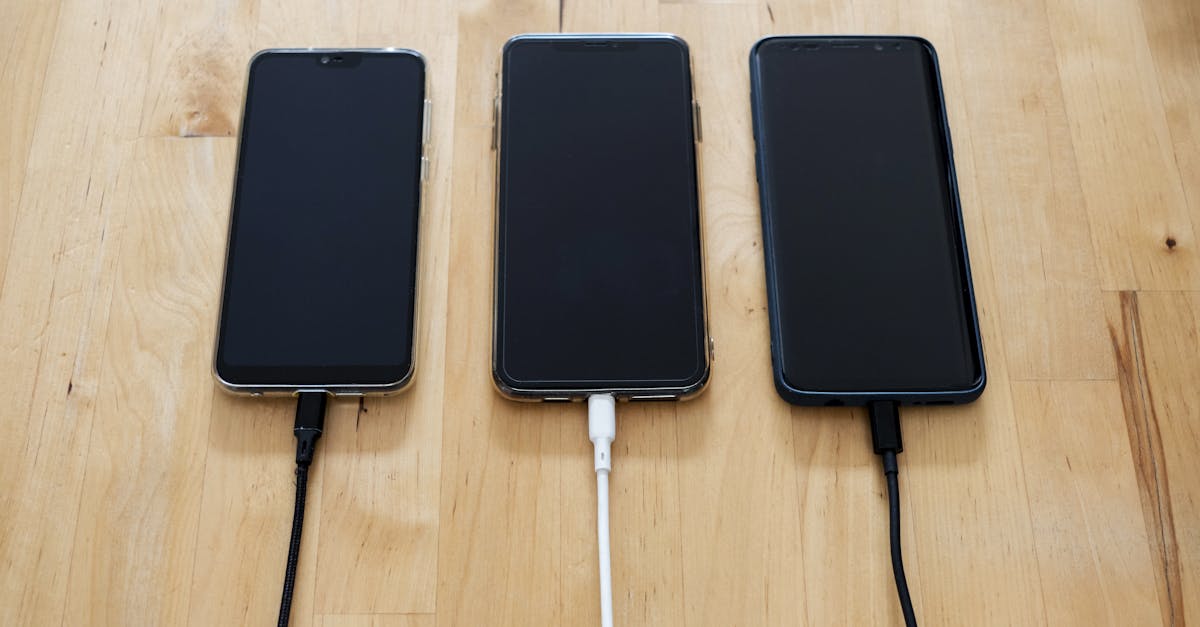
The Android ecosystem has been a wild west of fragmentation for years. Today, a surprising alliance between Motorola and the privacy‑first community shakes that status quo: the upcoming Motorola Signature 27 will ship with official support for GrapheneOS. At the same time, developers are wrestling with platform‑independent performance tricks like SIMD in Go. Together, these trends highlight a split in the Android world between closed, carrier‑locked experiences and open, security‑focused platforms that give developers real control.
"If you want a phone that respects your data and still runs the apps you love, the Signature 27 might be the first truly viable option for mainstream users."
In this deep dive we explore why Motorola’s move matters, what GrapheneOS brings to the table, and how developers should adjust their strategies.
GrapheneOS has been the go‑to hardened Android for privacy enthusiasts, but until now it lived on a narrow set of devices (Pixel 7/8 series). The Signature 27 is a mid‑range device with a 6.7" OLED, Snapdragon 8+ Gen 1, and a price point around $399. Its entry into the mainstream market means:
These features are not just marketing fluff; they directly affect how developers design their apps.
Motorola’s decision is not a random PR stunt. The company has been struggling with brand perception after years of carrier‑driven bloatware. By aligning with GrapheneOS they:
Analysts at TechPowerUp note that this could push other OEMs to consider similar partnerships, especially as EU privacy laws tighten.
GrapheneOS disables many non‑essential services (e.g., background location, auto‑start). Apps that rely on these will crash or be rejected by the Play Store if they target the new OS version.
While GrapheneOS adds security layers, it does not degrade performance. In fact, the OS’s lean core can improve battery life and reduce memory churn. Developers can leverage this by:
setExpedited only when truly needed.JobScheduler or AlarmManager.At the same time, the Hacker News community is buzzing about platform‑independent SIMD in Go. This development matters because:
Developers building data‑intensive apps (e.g., on‑device ML) should explore the new SIMD package to unlock vectorized operations across ARM and x86.
| Feature | Stock Android (Motorola) | GrapheneOS (Signature 27) | LineageOS |
|---|---|---|---|
| Default Permissions | Broad, often pre‑granted | Minimal, user‑controlled | Moderate |
| Security Patches | OEM dependent, ~30‑day lag | Upstream Google + extra patches, <7‑day lag | Community driven, variable |
| Bloatware | Carrier apps, Moto UI | Near‑stock, no carrier apps | Optional, community packages |
| Performance Overhead | Standard Android runtime | Slightly lower due to lean services | Similar to stock |
| Developer Tooling | Standard Android SDK | Same SDK + extra hardening APIs | Same SDK |
golang.org/x/exp/simd package on a test project.Motorola’s support for GrapheneOS on the Signature 27 is more than a headline; it is a tipping point for privacy‑first mobile development. Coupled with emerging performance tools like platform‑independent SIMD in Go, developers now have the chance to build secure, high‑performance apps that run on devices previously reserved for privacy enthusiasts.
If you ignore this shift, you risk falling behind a growing segment of users who demand transparency and control. Embrace the new OS, test aggressively, and leverage modern Go tooling – the future of Android development is being rewritten right now.