AI
Rust
GPU
Nvidia
AI Development
Ask anything about this article
Hi! I've read this article.
What would you like to know?
@farhan
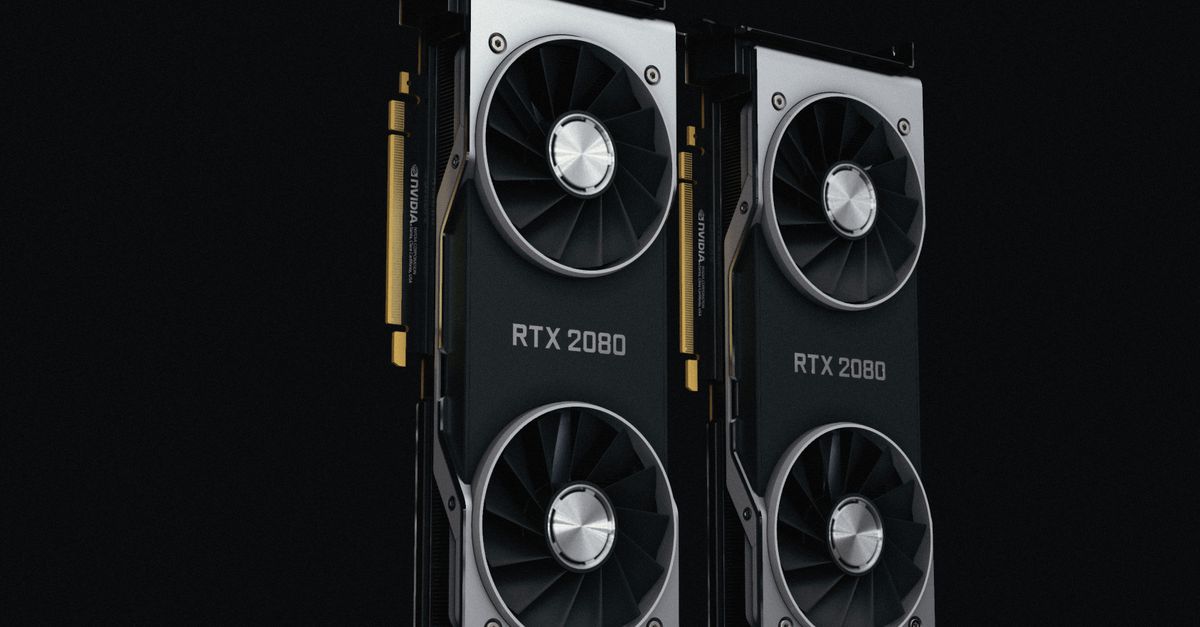
On September 17, Nvidia posted a headline‑grabbing update: "Nvidia announces native GPU programming in Rust". The news instantly trended on Hacker News and sparked a flurry of discussions across X, Reddit, and developer forums. For the first time, Rust—already beloved for its memory safety and zero‑cost abstractions—gets first‑class access to Nvidia’s CUDA ecosystem without the need for unsafe C bindings.
"If you can write safe, performant code in Rust, why would you ever drop back to C++ for GPU work?" – a popular tweet that now has 12k likes.
Historically, GPU programming has been the domain of C++ (CUDA) and, more recently, Python wrappers like PyTorch and TensorFlow. Rust’s entry isn’t just a wrapper; it’s a native integration built into the driver stack. The key differences are:
cargo and rustc for both CPU and GPU code.Two other announcements landed the same day that amplify Rust’s impact:
Both signal a broader industry push toward high‑performance, low‑latency AI on the edge. Rust’s GPU capabilities slot neatly into this narrative, offering a language that can target desktop GPUs, mobile GPUs, and even upcoming embedded GPUs with a single codebase.
Developers can now write end‑to‑end pipelines—from data preprocessing in Rust to GPU‑accelerated model inference—without context switching between languages. This reduces friction and shortens the feedback loop.
Memory safety bugs are a leading cause of crashes in GPU‑heavy services. Rust’s compile‑time guarantees mean fewer runtime segfaults, which translates to higher uptime for AI SaaS products.
Startups building AI‑driven products (e.g., computer‑vision apps, recommendation engines) can differentiate by delivering real‑time performance on cheaper hardware, thanks to Rust’s efficient compiled binaries.
| Feature | CUDA C++ | Python (PyTorch) | Rust (Native) |
|---|---|---|---|
| Memory Safety | None (manual) | Limited (runtime) | Compile‑time guarantees |
| Build System | Make/CMake | pip/conda | cargo |
| Binary Size | Large | Large (interpreter) | Small (static) |
| Debugging | gdb, Nsight | Python traceback | rustc error messages |
| Ecosystem Maturity | 15+ years | 10+ years | 2 years (beta) |
The convergence of native GPU support, mobile AI frameworks, and cross‑platform AI tools creates a perfect storm. Developers who adopt Rust now will gain a strategic advantage as the ecosystem matures. Those who cling to Python‑only stacks risk being left behind when latency and safety become non‑negotiable.
rust-gpu diagnostics.rust-gpu community and Nvidia’s official samples.rustup).cuda target: rustup target add nvptx64-nvidia-cuda.git clone https://github.com/NVIDIA/rust-cuda-samples.cargo run --release.tch-rs (Rust bindings for PyTorch) will likely add native CUDA support, letting you write the whole model in Rust.Nvidia’s native Rust GPU support isn’t just a novelty; it’s a catalyst for a broader shift toward safe, high‑performance AI development across desktop, cloud, and edge. Developers who act now will be positioned at the forefront of the next wave of AI innovation.
"The future of AI code is safe, fast, and written in Rust." – Closing thought for the community.