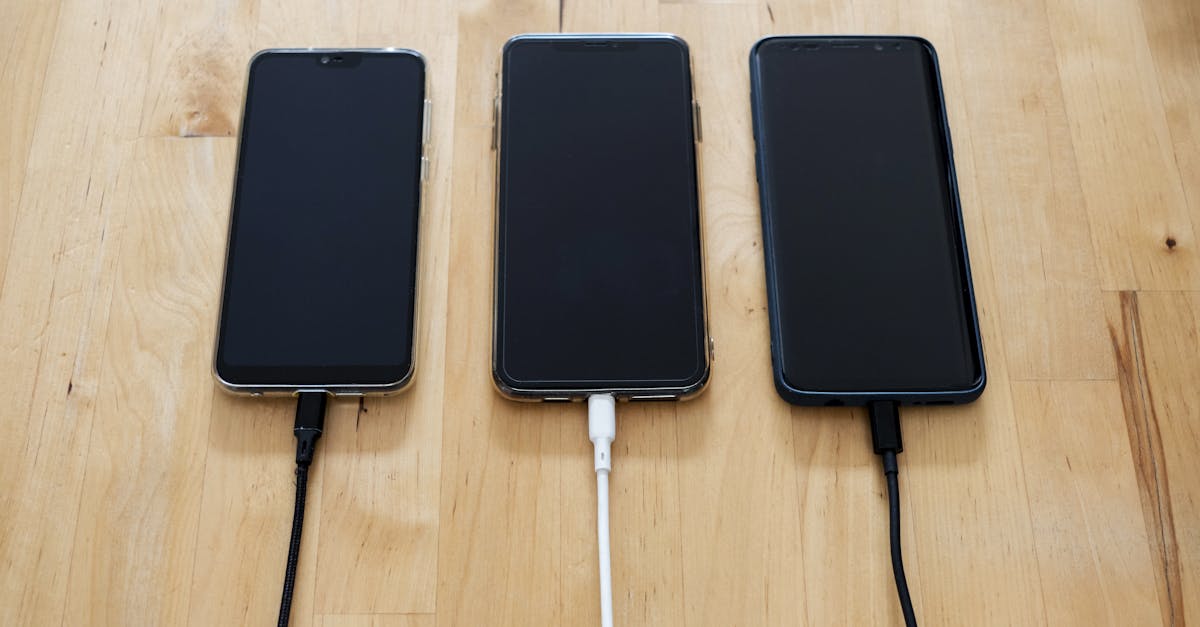
Apple’s 2026 iPhone Duo Forecast
Apple just announced that Counterpoint expects 6 million iPhone Duo units to be sold in 2026. The Duo is the low-cost, dual-SIM version of the iPhone 16 series, positioned as an entry-level bridge between the iPhone SE line and the flagship models. The headline sounds modest, but the numbers are significant for three reasons:
Pricing Power - At a launch price of $499, the Duo is the cheapest iPhone sold in the US since the original SE. Apple is betting that price-sensitive markets will still choose iOS over Android if the cost gap narrows.Carrier Strategy - Dual-SIM capability makes the Duo attractive for emerging markets where users frequently swap carriers or use separate data and voice plans.Ecosystem Lock-in - Even at a lower price point, Apple still forces developers to adopt its ecosystem (App Store, Swift, Xcode, etc.). The volume boost translates directly into more active devices for app monetisation.The forecast also hints at a shift in Apple’s revenue mix. Historically, premium iPhones accounted for >70% of hardware revenue. A 6 million-unit surge in a sub-$500 model could push the average selling price (ASP) down, forcing Apple to double-down on services, wearables, and accessories to protect margins.
HomePad: Apple’s Next Big Hardware Play
Just days after the Duo news, The Verge reported that Apple’s "HomePad" will launch on October 13th. The device is a 10-inch tablet-plus-smart-display hybrid aimed at the smart-home market. Rumors suggest:
| Feature | Expected Spec |
|---|
| Display | 10.2-inch Liquid Retina |
| Processor | M2 chip (or M2-Lite) |
| Cameras | 12 MP front, 12 MP rear |
| Connectivity | Wi-Fi 6E, Thread, Matter support |
| Price | $599-$699 |
| OS | iPadOS 18 with HomeKit integration |
Apple is essentially merging the iPad and HomePod concepts into a single device that can act as a control hub, media center, and productivity tablet. The timing is deliberate: with the iPhone Duo expanding the low-end user base, Apple now has a cheaper tablet to upsell to the same customers.
How This Shapes the Developer Landscape
For developers, the Duo-HomePad combo creates a new tiered ecosystem that blurs the line between mobile and home-device development.
1. App Store Optimization (ASO) for Dual-SIM Users
Developers must consider that Duo owners will often have two carriers active simultaneously. This affects:
Network-aware features - Apps that rely on carrier-specific APIs (e.g., SMS verification) need fallback paths.Data usage optimisation - Users may allocate one SIM for data-heavy tasks and the other for messaging. Apps that expose data-usage controls will see higher retention.2. HomeKit and Matter Integration Becomes Mandatory
HomePad’s launch pushes Matter (the new universal smart-home standard) into the mainstream. Developers building smart-home accessories now have three platforms to support: Google, Amazon, and Apple. Ignoring Apple’s HomeKit means missing out on a potentially lucrative market segment.
Swift-first SDKs - Apple’s Matter SDK is Swift-first. Teams comfortable with Kotlin/Java will need to invest in Swift talent or cross-platform bridges.UI/UX consistency - HomePad’s larger screen encourages richer control interfaces. Developers should design adaptive layouts that scale from iPhone SE to HomePad.3. Services Revenue Opportunities
Apple’s services push means higher commission rates for in-app purchases on lower-priced devices. The Duo’s price point encourages micro-transactions rather than large upfront purchases. Developers can:
Offer subscription bundles that span iPhone, iPad, and HomePad (e.g., a fitness app that tracks activity on the phone and streams workouts on the HomePad).Leverage Apple’s new "App Store Small Business Program" tiers, which reduce commission to 15% for developers earning <$1M annually.Quality assurance now requires testing on at least three distinct hardware classes:
iPhone Duo (5.4-inch, low-end GPU)iPad Pro (12.9-inch, M2)HomePad (10-inch, M2-Lite)Automation tools like Xcode Cloud and Firebase Test Lab become essential to keep release cycles fast.
Risks and Opportunities
Risks
Fragmentation - The more hardware tiers, the higher the risk of UI inconsistencies and performance regressions.Supply-chain volatility - Low-cost devices often face component shortages, leading to delayed launches or reduced specs.Privacy scrutiny - HomePad’s always-on microphones and cameras will attract regulators. Developers must be extra careful with data handling.Opportunities
Cross-device experiences - Build features that start on the Duo (e.g., quick-capture photo) and finish on HomePad (e.g., editing on a larger screen). This "hand-off" model can differentiate your app.Edge-AI on-device - The M2 chip enables on-device ML inference without server round-trips, opening doors for privacy-first AI features.Emerging market growth - Dual-SIM iPhones open doors in India, Southeast Asia, and Africa. Localised apps (language, payment, connectivity) can capture early market share.TL;DR
Apple’s 6 million iPhone Duo forecast signals a strategic push into price-sensitive markets, while the HomePad launch expands the ecosystem into the smart-home space. For developers, this means:
Prioritise dual-SIM aware networking and data-usage controls.Adopt Swift-first Matter SDKs to stay relevant in the smart-home market.Design adaptive UI that works from the 5.4-inch Duo to the 10-inch HomePad.Leverage micro-transaction and subscription models to profit from lower-priced hardware.Invest in cross-device workflows that turn the Duo into a data capture device and the HomePad into a processing/display hub.The takeaway: Apple is building a tiered, interconnected hardware stack that will dominate both mobile and home environments for the next five years. Developers who align their roadmaps now will reap the biggest share of the upcoming user base.