The headline that got everyone talking
Apple is simultaneously battling a hardware glitch, tightening OS permissions, and launching a camera that refuses to record video.
If you scroll through Hacker News or Google News this morning, the three stories about Apple dominate the feed:
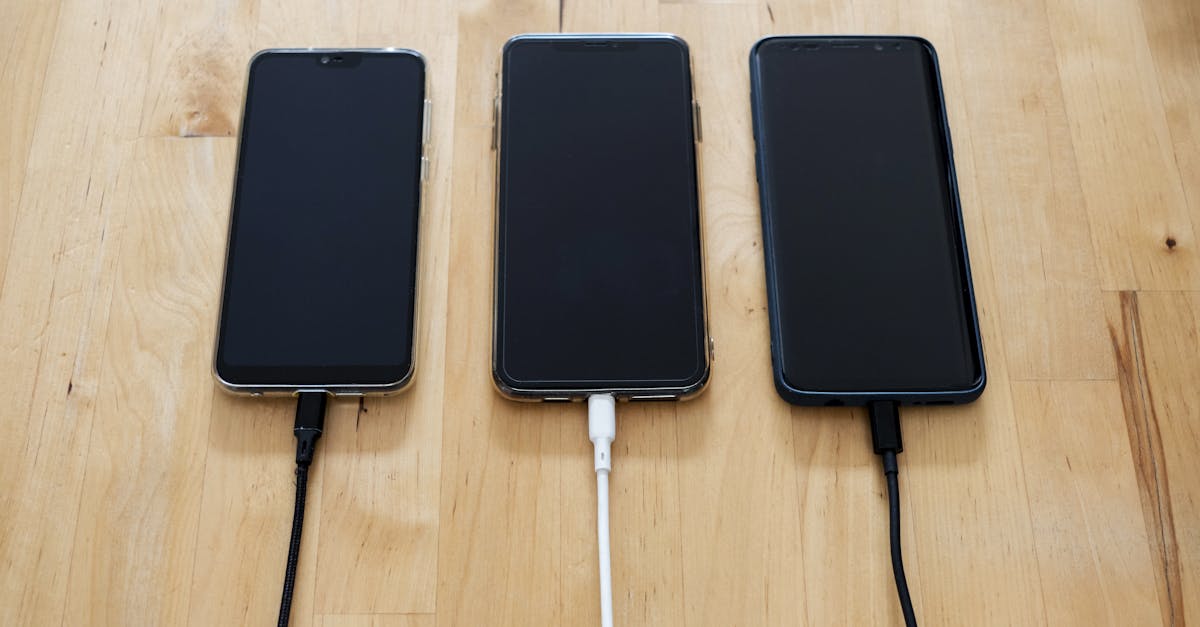
iPhone 18 Pro Max AT&T glitch – Bloomberg reports that a firmware issue forces AT&T to replace thousands of devices.Mac disk‑access limits – The Verge notes that macOS will now restrict third‑party AI agents from reading arbitrary files, citing security concerns.Privacy‑first home camera – Engadget reveals a new Apple camera that never stores raw video, only metadata.Taken together, they illustrate a paradox: Apple is pushing the envelope on privacy and security while its own hardware and software are showing cracks. For developers, this is a signal that the ecosystem is shifting, and the rules of engagement are changing faster than ever.
Why the iPhone 18 glitch matters to developers
The AT&T glitch isn't just a consumer inconvenience; it highlights a deeper supply‑chain and firmware validation problem.
Firmware rollout pipelines are fragile – Apple ships a new iPhone every year, but the rapid cadence leaves little room for thorough integration testing across carrier customizations.Carrier‑specific bugs can become public relations crises – AT&T's decision to replace devices en masse shows that carriers now have leverage to demand rapid fixes, which can force developers to ship patches under pressure.Implications for OTA update frameworks – If Apple's own OTA system can introduce a blocker, third‑party OTA solutions (e.g., for IoT devices) must adopt more robust validation, such as cryptographic manifests and staged rollouts.Takeaway for devs
Treat OTA updates as a critical path, not a convenience. Implement canary releases, automated rollback, and device‑specific health checks.
macOS disk‑access limits: AI agents meet sandboxing
The Verge story about macOS restricting AI agents from unrestricted file reads is a direct response to the rise of large language model (LLM) assistants that can execute arbitrary code on a user's machine.
What changes?
New entitlements – AI‑driven apps now need explicit user consent to read any file outside their container.Runtime prompts – macOS will display a modal when an LLM tries to access a file, similar to the classic location permission dialogs.Policy defaults – By default, third‑party AI agents are sandboxed with read‑only access to /Applications and /System.Why this matters
Developers building AI‑powered tooling (e.g., code assistants, data analysis bots) will have to redesign their data ingestion pipelines. Instead of reading files directly, they must request user‑approved uploads or operate on copies within a secure sandbox.
Comparison table
| Feature | Pre‑limit (macOS 13) | Post‑limit (macOS 14) |
|---|
| File read access for AI apps | Unrestricted (subject to user consent at install) | Explicit runtime consent required |
| Default sandbox level | Minimal | Strict sandbox with read‑only system dirs |
| Developer effort to comply | Low | Medium – add permission dialogs and fallback paths |
| Security impact | Low to moderate | High – reduces attack surface |
The camera that never records video: a new privacy paradigm
Engadget's report on Apple's upcoming home camera is perhaps the most radical: the device captures only motion metadata (timestamp, heat map, anonymized silhouettes) and never stores raw video.
How it works
Edge AI processing – A dedicated neural engine analyzes the feed locally and discards the raw pixels.Encrypted metadata – Only event data (e.g., "person entered kitchen at 3:14pm") is uploaded to iCloud, encrypted end‑to‑end.Zero‑storage policy – There is no local SD card or cloud bucket for video files, eliminating the biggest privacy risk.Developer implications
New API surface – Apple will expose a "privacy‑first" SDK for motion events, forcing developers to rethink home‑automation triggers.Shift from video analytics to event analytics – Companies that built pipelines around video frames will need to pivot to pattern‑recognition on sparse data.Compliance advantage – Apps built on this model automatically satisfy GDPR and CCPA requirements for data minimization.The broader trend: Privacy by design meets operational risk
All three stories converge on a single narrative: Apple is
doubling down on privacy, but the execution exposes operational fragilities.
Privacy as a differentiator – The camera demonstrates that Apple is willing to redesign hardware to protect user data, a move that could force competitors to follow suit.Operational risk spikes – The iPhone glitch shows that rapid innovation without exhaustive validation can backfire, especially when privacy‑focused features add complexity.Developer ecosystem pressure – Tightened OS permissions and new SDKs will force developers to adopt more secure coding practices, but also create friction for rapid prototyping.What developers should do right now
Audit your OTA pipelines – Ensure you have signed manifests, version checks, and rollback capabilities.Add explicit permission flows – If your app uses LLMs or reads user files, implement runtime prompts that mirror macOS' new model.Experiment with event‑only data – Build a small prototype that consumes motion metadata instead of video; this will future‑proof home‑automation services.Monitor Apple developer releases – Apple typically publishes detailed guidance on new privacy features at WWDC; staying ahead of those docs will give you a competitive edge.Hot take: Apple is betting on privacy to win the trust war, but it may alienate power users
Apple's aggressive privacy stance is a brilliant long‑term play: it differentiates the brand, satisfies regulators, and creates a moat around its ecosystem. However, the iPhone 18 AT&T glitch reveals that
privacy features can introduce complexity that hurts reliability. If Apple cannot balance flawless hardware with privacy‑first software, developers may see a rise in third‑party solutions that fill the gaps—especially in the AI‑assistant space where sandboxing could limit functionality.
Bottom line: The next wave of developer work will be about building within constraints—creating useful experiences while respecting tighter OS permissions and minimal data collection. Those who adapt quickly will thrive; those who cling to old patterns will be left behind.
Quick checklist for developers (copy‑paste into your notes)
[ ] Verify OTA signatures and add staged rollouts.[ ] Implement runtime file‑access prompts for AI features.[ ] Prototype with Apple's new motion‑event SDK.[ ] Review GDPR/CCPA compliance for data minimization.[ ] Follow WWDC sessions on privacy and security.Stay ahead of the curve, and turn Apple's privacy push into a competitive advantage for your next project.