AI
Rust
GPU
Nvidia
High Performance Computing
Ask anything about this article
Hi! I've read this article.
What would you like to know?
@farhan
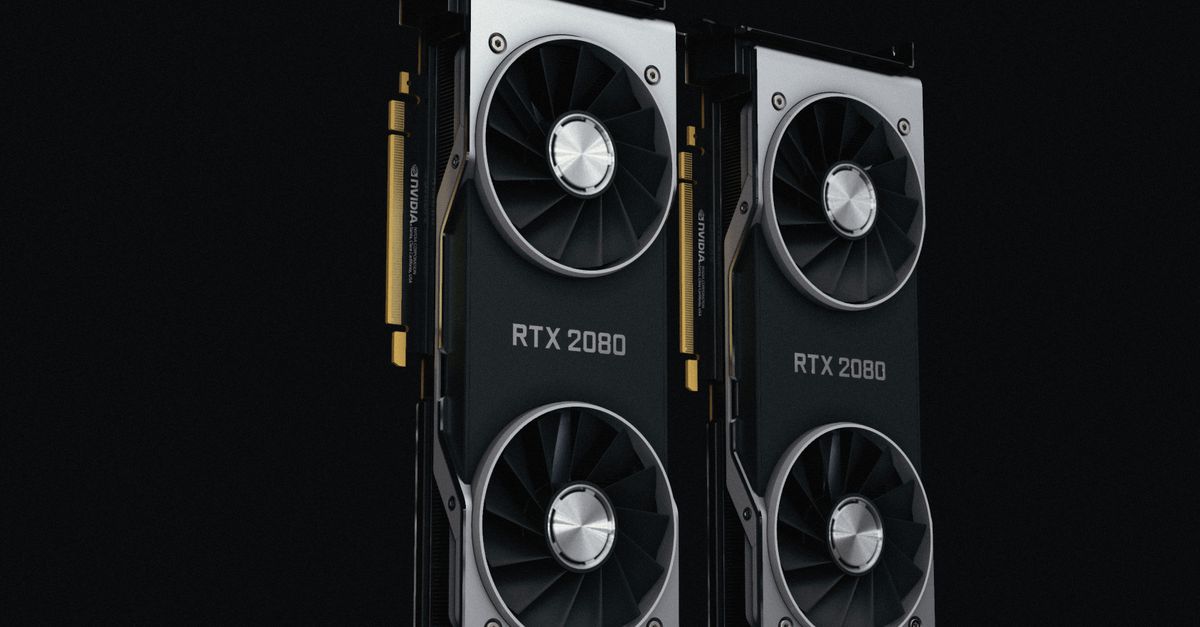
On September 17, 2026 Nvidia dropped a bombshell: native GPU programming in Rust is now officially supported. The announcement landed on Hacker News alongside a flurry of other hardware‑centric headlines, from AMD's MI300X cloud rollout to new vector‑search tricks in Manticore Search. While each story is exciting on its own, the Nvidia Rust news is the one that could reshape how developers write high‑performance code.
"If you can write safe, performant code for the CPU, you should be able to do the same on the GPU without learning a brand new language."
In this post I break down what the announcement really means, how it stacks up against existing GPU stacks, and why the ripple effects will be felt far beyond the graphics community.
Rust has become the go‑to language for systems programming because it guarantees memory safety without a garbage collector. Nvidia's move brings those guarantees to the massively parallel world of GPUs. The key promises are:
Developers can now write a single Rust crate that compiles to native binaries for x86_64 CPUs and NVidia GPUs, swapping the target with a flag. This unifies the development experience and reduces the cognitive load of learning CUDA-specific APIs.
| Feature | CUDA C++ | OpenCL | AMD HIP (C++) | Rust GPU (Nvidia) |
|---|---|---|---|---|
| Memory safety | Manual | Manual | Manual | Compiler enforced |
| Language maturity | 15+ years | 10+ years | 5+ years | 1 year (beta) |
| Tooling integration | nvcc, Nsight | Multiple vendors | hipcc, ROCm | Cargo, rustc |
| Community size | > 2M devs | ~500k devs | ~200k devs | ~300k devs |
| Cross‑platform support | Nvidia only | Any GPU | AMD + Nvidia (via HIP) | Nvidia only (initially) |
| Learning curve | Steep | Steep | Moderate | Low for Rust devs |
The table shows that while Rust GPU is still in its infancy, it already offers safety guarantees that CUDA C++ lacks. OpenCL and HIP provide cross‑vendor support but suffer from fragmented tooling and less developer-friendly abstractions.
cargo build --target nvptx64-nvidia-cuda, and called from PyTorch via a thin FFI layer.nvcc, hipcc, and clang for different targets.Nvidia's decision reflects a broader industry trend: safety and developer experience are becoming first‑class concerns in high‑performance computing. AMD's MI300X cloud offering, announced on Dev.to the same day, emphasizes managed GPU resources but still relies on traditional CUDA/HIP stacks. Meanwhile, Google is pushing Gemini 3.8 Live models that run on GPUs, and they too could benefit from a Rust‑based inference pipeline.
If Rust gains traction on GPUs, we may see a new generation of tools that blend the best of systems programming with AI research. Imagine a future where a data scientist writes a Rust crate that
That level of integration is currently fragmented across Python, C++, and custom glue code. Rust GPU could be the glue that finally unites these pieces.
Nvidia's native Rust support is more than a new API; it's a cultural shift toward safer, more productive GPU programming. While early adopters will need to navigate missing libraries and beta‑stage tooling, the long‑term payoff could be a dramatically lower barrier to entry for high‑performance and AI workloads.
Developers should start experimenting now: clone the rust-gpu repo, run the hello-world example on a RTX 4090, and gauge the ergonomics compared to a simple CUDA C++ kernel. The sooner you get comfortable, the better positioned you'll be when the ecosystem matures.
Hot take: If Rust GPU reaches parity with CUDA in the next 12 months, expect a wave of new startups building AI‑first products that claim "written in safe Rust, runs on Nvidia GPUs" as a core differentiator. The era of "unsafe" GPU code is winding down.
Stay tuned for follow‑up posts on building Rust bindings for cuDNN and real‑world benchmark results.